

Maddy summaryThe Foreign Service Modernization Act aims to reform the U.S. diplomatic workforce by updating recruitment, training, and management policies. It requires the State Department to recruit more broadly from community colleges and technical schools, establish a new Veterans and Foreign Service Pathway Program, and create a pilot Diplomatic Reserve Corps to handle crises. The bill also mandates comprehensive training on cybersecurity, artificial intelligence, critical minerals, and crisis leadership, while strengthening protections for officers pursuing external education and clarifying rules for promotions and assignments.
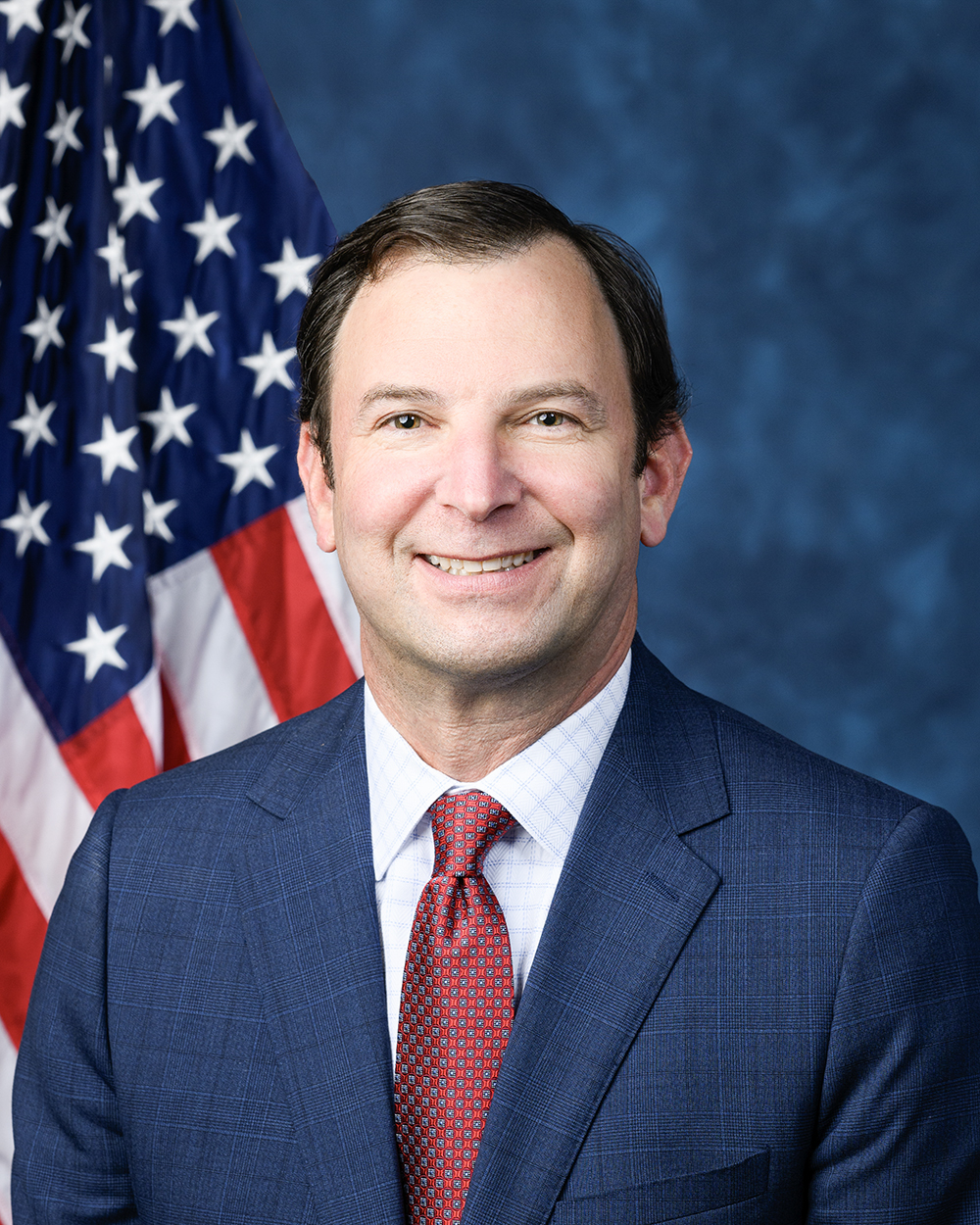
Rep. Craig A. Goldman
Sponsored bills
Maddy summaryThis bill, titled the Protect Domestic Oil and Gas Small Business Act of 2026, exempts small oil and gas wells from specific environmental regulations under the Clean Air Act. It directly affects owners and operators of marginal wells, defined as sites producing 15 barrels of oil or less per day, or 90,000 cubic feet of natural gas or less per day. The legislation removes requirements for monitoring, reporting, and leak detection for these smaller operations, while also mandating that the EPA approve any state plan revisions granting this exemption within 180 days. Additionally, the bill requires the EPA to update its regulations to reflect these changes and to terminate any ongoing enforcement actions against marginal wells that were initiated before the law takes effect.
This resolution expresses support for police officers and other law enforcement personnel. The resolution further recognizes law enforcement officers across the United States in the pursuit of preserving safe and secure communities; the need to ensure that such officers have the equipment, training, and resources necessary to protect their health and safety while they are protecting the public; and the law enforcement community for acts of sacrifice and heroism. The resolution expresses condolences and appreciation to the loved ones of each law enforcement officer who has made the ultimate sacrifice in the line of duty.
Maddy summaryThis bill increases loan limits for small manufacturers under two federal programs. It defines "small manufacturer" as a business primarily in U.S. manufacturing sectors (31-33) with all facilities in the U.S. The bill raises the maximum Small Business Administration 7(a) loan limit for these manufacturers from $3.75 million to $7.5 million (capping at $10 million), and doubles the export loan limit from $5 million to $10 million. These changes directly affect qualifying U.S.-based manufacturing businesses seeking federal loan support for operations or exports. The policy modifies specific loan caps without altering other program requirements.
Maddy summaryThis resolution formally recognizes the importance of motherhood and honors mothers on Mother's Day. It explicitly supports policies that define mothers as women and opposes recent legislative efforts to remove the term "mother" from official House rules. The text also acknowledges various types of mothers, including stepmothers, adopted mothers, and single mothers, while rejecting alternative terms like "birthing person" or "gestational parent." Ultimately, the bill encourages the public to celebrate the sacrifices and contributions of mothers to the nation.
Maddy summaryThis bill, known as TREY's Law, aims to make nondisclosure clauses in contracts void and unenforceable if they prevent the reporting of sexual abuse involving minors. It directly affects victims of such abuse, their families, and anyone with knowledge of the abuse by allowing them to disclose these incidents without fear of civil liability. The law applies retroactively to agreements made before or after its passage and overrides any state laws that allow the enforcement of these specific clauses. While it invalidates clauses that silence abuse details, it permits parties to keep confidential other settlement terms like payment amounts, provided this does not stop the disclosure of the abuse itself.
Maddy summaryHR 6373 modifies the Clean Air Act to create new permitting flexibility for specific facilities. It allows the President to waive certain emission offset requirements for new or modified semiconductor manufacturing facilities or critical mineral facilities (like those processing lithium or cobalt) if deemed necessary for national security. States can also permit these facilities to use alternative offset methods - such as paying an emissions fee capped at 1.5 times local control costs - if all standard offsets are exhausted, with fees required to fund further emissions reductions in the area. The bill directly affects advanced manufacturing and critical mineral operations seeking streamlined permitting.
Maddy summaryHR 4690, the Reliable Federal Infrastructure Act, repeals specific energy efficiency standards for federal buildings. It directly affects federal agencies and buildings subject to the repealed standards under Section 305(a)(3)(D) of the Energy Conservation and Production Act (42 U.S.C. 6834(a)(3)(D)). The bill removes these standards from federal law, stating they "shall have no force or effect," and updates related provisions in the Energy Independence and Security Act of 2007 to eliminate references to the repealed standards. This is a procedural repeal focused solely on removing existing requirements, not creating new infrastructure or policy.
Maddy summaryThe Ensuring Excellence in Mental Health Act expands federal support for certified community behavioral health clinics (CCBHCs) by modifying how these facilities are funded under Medicaid and Medicare. Under the new rules, states and the federal government will use a prospective payment system to pay CCBHCs based on the cost of providing care rather than per-visit fees, while also extending coverage to additional services like primary health care. The legislation establishes a new grant program to help clinics operate and expand, creates a national data system to track clinic performance, and introduces an accreditation requirement to ensure quality standards are met. Additionally, the bill extends liability protections to clinicians working in these clinics and removes certain financial barriers for Medicare patients seeking care at CCBHCs.
Maddy summaryThe SECURE Data Act establishes a comprehensive federal privacy framework that grants consumers specific rights to access, correct, delete, and opt out of the sale of their personal data, while requiring companies to provide clear privacy notices and implement reasonable data security measures. It directly affects large businesses and data brokers that process significant amounts of consumer information, mandating that these entities obtain explicit consent for sensitive data and prohibiting discrimination against individuals who exercise their privacy rights. The legislation creates a registration system for data brokers, allows for enforcement actions by the Federal Trade Commission and state attorneys general, and preempts conflicting state laws to ensure a uniform national standard.