

Maddy summaryThis resolution expresses the House of Representatives' sense that Congress must urgently restore the Voting Rights Act of 1965 to protect against racial discrimination in voting and ensure fair political representation for all Americans. It specifically calls for ending the 60-vote threshold in the Senate to allow for easier passage of legislation and proposes structural changes to the Supreme Court, including term limits for justices, a binding code of ethics, and potentially expanding the court's size. The text argues that recent Supreme Court decisions have weakened voting protections and enabled partisan gerrymandering, threatening the political power of communities of color and undermining democratic institutions. By outlining these specific legislative and structural goals, the bill aims to rebuild public trust in the judiciary and strengthen the mechanisms that guarantee equal access to the ballot box.
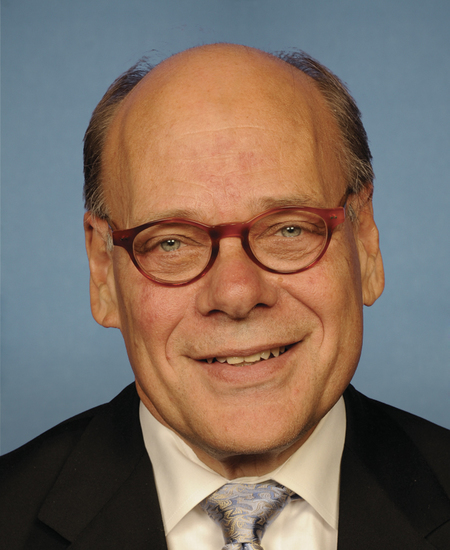
Rep. Steve Cohen
Sponsored bills
Maddy summaryThis bill, titled the Artificial Intelligence Data Center Moratorium Act, halts the construction and upgrading of large-scale artificial intelligence data centers until specific federal laws are passed. It defines these facilities as sites with high power capacity or advanced cooling systems used for developing AI models. The moratorium remains in effect until new legislation ensures federal safety reviews for AI products, mandates that economic benefits reach workers rather than just wealthy owners, prevents increases in utility bills, avoids environmental harm, requires community approval, bans government subsidies, and guarantees union jobs with strong labor standards. Additionally, the bill restricts the export of computing hardware, such as semiconductors and networking equipment, to countries that do not adopt these same protective laws for AI development.
Maddy summaryThis bill authorizes the presentation of Congressional Gold Medals to the four crew members of the Artemis II mission to recognize their historic achievement in advancing human space exploration. The legislation directs the Speaker of the House and the President pro tempore of the Senate to arrange for the medals, which will feature the faces of the astronauts and be struck by the Secretary of the Treasury. In addition to the gold medals, the bill permits the minting and sale of duplicate bronze versions to help cover production costs, with any proceeds returned to the United States Mint Public Enterprise Fund.
Maddy summaryThis bill redesignates the existing National Parks and Public Land Legacy Restoration Fund as the America's Legacy Restoration Fund to address deferred maintenance on federal lands. It directs revenue from recreation fees and a portion of energy development income into the fund, which must be used primarily for repairing critical infrastructure like roads, trails, and buildings managed by agencies such as the National Park Service and the Forest Service. The legislation establishes strict rules requiring that most funds go toward non-transportation projects, mandates transparency through public dashboards tracking project status, and sets aside a small percentage for matching private donations. Additionally, the bill increases entrance fees for foreign visitors to ensure they contribute to the fund, while prohibiting the use of these specific funds for land acquisition or employee bonuses.
Maddy summaryThe Open Meetings Act of 2026 requires the Judicial Conference to publish notice of its meetings at least 30 days in advance on its official website. It mandates that these meetings be live-streamed with audio accessible to the public without charge or registration, and the recordings must be archived and published online within seven days. The bill allows for exceptions to public access when matters are legally prohibited from disclosure or when a majority vote determines a session should be closed for sensitive reasons, provided the reason is stated publicly. These changes directly affect the transparency and public accessibility of proceedings within the federal judicial system.
Maddy summaryThe Latonya Reeves Freedom Act of 2026 strengthens the Americans with Disabilities Act to ensure individuals with long-term service and support needs have a federally protected right to live in their communities rather than institutions. It requires states and insurance providers to offer community-based services that allow people to maintain independence, control their own care, and access affordable, integrated housing. The bill mandates that public entities and insurers create enforceable transition plans to move people out of institutions, conduct self-evaluations to identify barriers, and establish clear grievance procedures for resolving complaints. Enforcement is handled by the Department of Justice, which can investigate violations, while individuals may also file civil lawsuits to seek damages or court orders preventing institutionalization.
Maddy summaryThis bill authorizes Congress to award a Congressional Gold Medal to American individuals and organizations that rescued Jews and other refugees from Nazi persecution between 1933 and 1945. The legislation directs the Speaker of the House and the President pro tempore of the Senate to arrange for the creation and presentation of a single gold medal, which will be given to the United States Holocaust Memorial Museum for display and research. Additionally, the bill permits the Secretary of the Treasury to produce duplicate bronze versions of the medal for sale, with the proceeds funding the mint's public enterprise fund.
Maddy summaryThis joint resolution expresses Congress's disapproval of a specific federal rule issued by the Centers for Medicare & Medicaid Services regarding the Affordable Care Act and the Basic Health Program for 2027. If passed, the measure would legally nullify the rule, preventing it from taking effect. The bill directly impacts the administration of healthcare benefits and payment parameters for the upcoming year by rejecting the proposed guidelines.
Maddy summaryThis House resolution reaffirms the United States' commitment to protecting refugees and displaced persons by calling for the restoration of the Refugee Admissions Program and asylum protections. It urges federal officials to lift current bans on refugee entry, resume vetting for approved applicants, and increase humanitarian aid to host countries. The measure highlights the economic contributions of refugees and emphasizes the need for fair, humane policies that align with international obligations and domestic law.
Maddy summaryThe Air Carrier Access Amendments Act of 2026 updates the Air Carrier Access Act to strengthen protections for individuals with disabilities who travel by air. It directly affects passengers with disabilities, service animal handlers, and air carriers by establishing new rules for handling specific violations. The bill allows aggrieved passengers to file civil lawsuits in federal court without first exhausting administrative remedies and permits courts to award compensatory and punitive damages. Additionally, it mandates that the Department of Transportation refer cases involving patterns of discrimination to the Attorney General for further legal action.