

Maddy summaryThis bill prohibits abortion providers from disposing fetal remains (abortion waste) into publicly owned water systems, such as drains or pipes connected to municipal water infrastructure. Violations could result in fines, up to 5 years in prison, or both. It defines "fetal remains" as abortion waste and clarifies patients cannot be held liable for such disposal. The law does not override stricter state regulations on this practice.
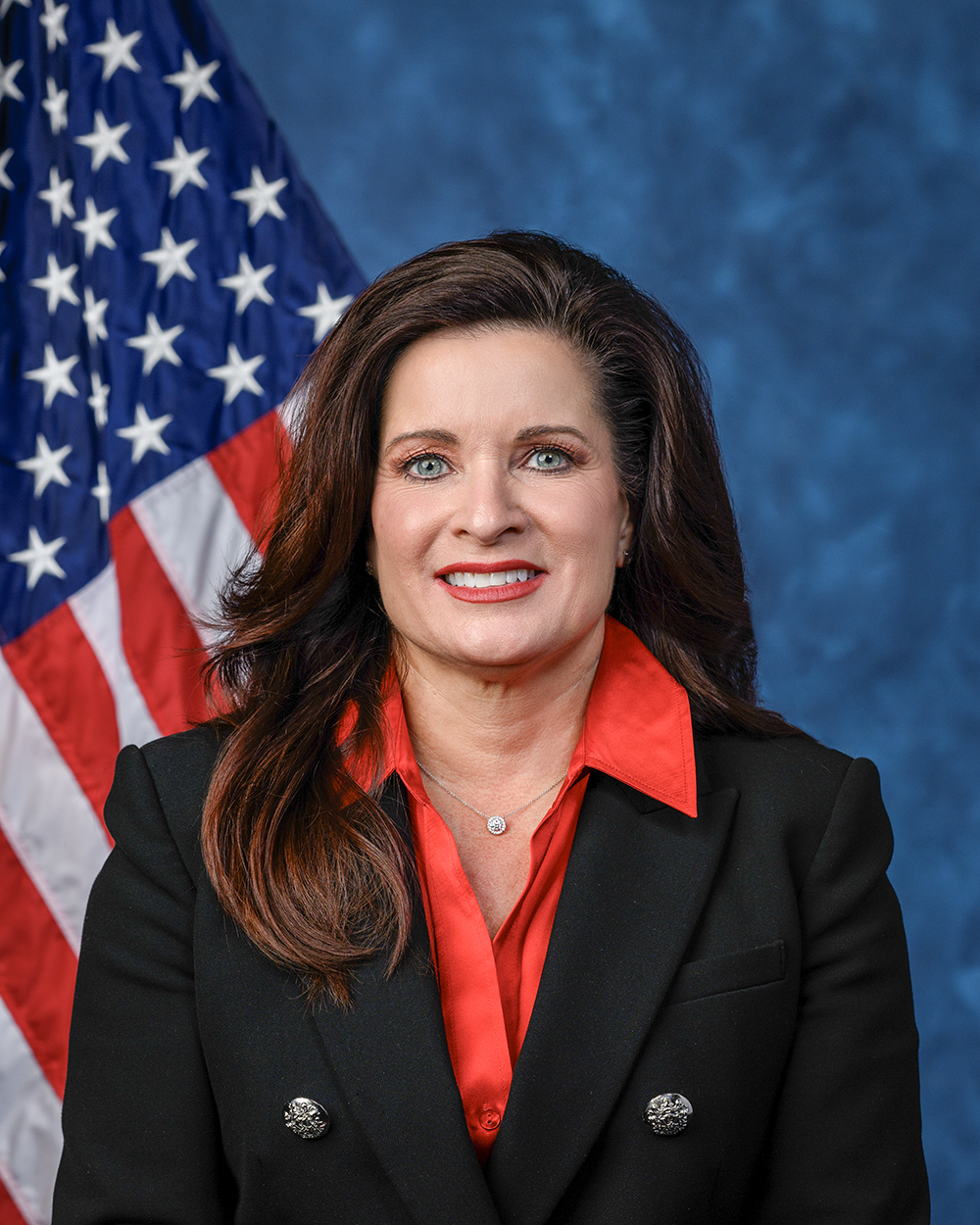
Rep. Sheri Biggs
Sponsored bills
Maddy summaryThis bill makes technical corrections to the Camp Lejeune Justice Act of 2022 to streamline claims for individuals harmed by water contamination at Camp Lejeune. It clarifies the evidence required (30+ days at the base plus a link between contaminants and health harm), specifies that cases must be handled in North Carolina courts (with limited transfer options), and sets attorney fee caps (20% before suit, 25% after). These changes directly affect veterans and civilians who lived at Camp Lejeune and filed claims under the 2022 law. The bill does not create new eligibility but aims to improve the legal process for existing cases.
Maddy summaryThis bill mandates a 90-day government review to determine if CAIR (Council on American-Islamic Relations) meets criteria for designation as a foreign terrorist organization under U.S. law. The review, led by the Secretary of State with input from the Attorney General and Treasury Secretary, would assess CAIR's ties to terrorism based on findings cited in the bill, including alleged connections to Hamas, the Holy Land Foundation, and individuals convicted of terrorism-related offenses. The bill does not immediately designate CAIR as a terrorist group but requires a formal evaluation and a congressional report on the outcome. This process directly affects CAIR by triggering an official government assessment of its status, though no immediate action is taken by the bill itself.
Maddy summaryHR 4092, the Protect RAIL Act, amends U.S. immigration law to make certain crimes involving stolen goods transported by carriers (like trains, trucks, or ships) grounds for denying entry or deporting non-citizens. It adds new inadmissibility and deportability provisions for anyone convicted of theft from interstate or foreign shipments under Title 18, Section 659 of the U.S. Code. The bill directly affects non-citizens who commit these specific theft offenses, making them ineligible to enter the U.S. or subject to removal. This changes immigration consequences for existing criminal offenses, not the crimes themselves.
Maddy summaryHR 3966 requires certain tax-exempt organizations, including think tanks and cultural nonprofits, to annually disclose foreign contributions exceeding $10,000 from foreign governments, political parties, or entities controlled by them. The bill mandates that these organizations report the name of the foreign source and the total amount received, with this information made publicly available in a searchable IRS database. It directly affects nonprofits receiving significant foreign funding, aiming to increase transparency about potential foreign influence operations. The legislation targets funding from sources like foreign governments or entities linked to the Chinese Communist Party, as highlighted in congressional findings about influence campaigns. The policy change creates a new reporting requirement under the Internal Revenue Code, effective for tax years after enactment.
Maddy summaryThis bill amends federal law to block Community Development Block Grants (CDBG) from going to local governments that qualify as "sanctuary jurisdictions." A sanctuary jurisdiction is defined as a city or county that restricts sharing immigration status information with federal authorities or refuses to comply with certain immigration detainer requests. The law requires grant recipients to certify they are not sanctuary jurisdictions during the grant period. This directly affects cities and counties with policies limiting cooperation on immigration enforcement, potentially withholding federal funds for housing, infrastructure, and community programs. The exception for jurisdictions not sharing information when victims or witnesses of crimes come forward is included.
Maddy summaryHR 3787, the Emergency Spending Accountability Act, requires the Office of Management and Budget to implement mandatory spending cuts equal to 20% of all emergency spending approved in a fiscal year. These cuts would occur over five years (starting October 1 of the next fiscal year) and apply to most federal programs, though they exempt Social Security benefits, national defense (budget function 050), Department of Veterans Affairs programs, and Medicare. The bill also mandates that any congressional measure containing emergency spending must include a detailed justification explaining why the spending qualifies as "emergency" under existing budget laws. This aims to create accountability for spending that bypasses standard budget limits.
Maddy summaryHR 3860, the "No Passports for Terrorists and Traffickers Act," denies or revokes U.S. passports for individuals charged with or convicted of providing material support to terrorism under federal law (18 U.S.C. §§2339A/B) or determined by the Secretary of State to have aided designated foreign terrorist organizations. It directly affects people meeting these criteria by preventing passport issuance or requiring passport cancellation, though limited exceptions allow return travel to the U.S. or humanitarian travel. Key mechanisms include the Secretary of State’s authority to act, a 60-day appeal process for affected individuals, and mandatory reports to Congress on each denial or revocation. The bill explicitly excludes medicine and religious materials from its definition of "material support," which covers items like money, training, transportation, or weapons. This law changes passport policy for specific terrorism-related cases without altering broader constitutional rights.
Maddy summaryThis bill would require the Attorney General to annually identify state or local governments that fail to comply with federal immigration cooperation laws, such as sharing immigration status information or honoring detainer requests. Jurisdictions found non-compliant would lose eligibility for all federal financial assistance (including grants and programs) for at least one year. The law mandates annual reports to Congress and allows any member of Congress to request compliance reports on specific jurisdictions. It directly affects cities, counties, and states that do not follow federal immigration enforcement directives.
Maddy summaryHR 589, the FACE Act Repeal Act of 2025, would repeal a federal law (Section 248 of Title 18, U.S. Code) that prohibited obstructing access to reproductive health care facilities through physical means, intimidation, or violence. This repeal would eliminate the federal criminal penalty for such conduct, meaning federal prosecutors could no longer charge individuals under this specific law. The bill applies to all pending or future federal prosecutions related to these actions. It does not affect state laws that may still regulate access to reproductive health care facilities.