

Maddy summaryHR 2539 permanently extends the New Markets Tax Credit (NMTC) program, which incentivizes private investment in low-income communities. The bill directly affects community development financial institutions (CDFIs) and investors who fund projects in designated low-income areas by ensuring the credit remains available beyond 2025. Key provisions include automatically adjusting the credit amount annually for inflation starting in 2024 and clarifying that the credit can be used to offset alternative minimum tax liability. This maintains the program’s effectiveness in channeling capital to underserved neighborhoods without changing eligibility or funding levels.
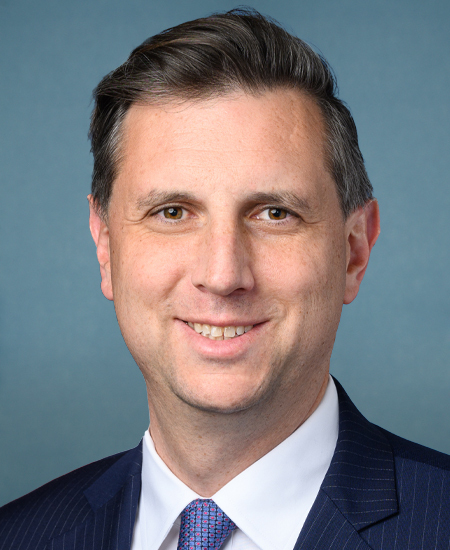
Rep. Seth Magaziner
Sponsored bills
Maddy summaryThis bill amends the Affordable Care Act to allow individuals to enroll in standalone dental plans through health insurance Exchanges without needing to also have a separate health insurance plan. It directly affects consumers seeking dental coverage who may not qualify for or prefer not to enroll in a comprehensive health plan. The key provision removes a federal restriction that previously prevented enrollment in these dental plans solely based on lack of separate health insurance. This change makes it easier for people to access dental insurance options through the same marketplaces used for health coverage.
Maddy summaryThe RISE Act (HR 2401) requires colleges to accept multiple types of documentation - such as past Individualized Education Programs (IEPs), Section 504 plans, or licensed professional evaluations - to verify a student’s disability for accommodations, rather than requiring current evaluations. It also mandates institutions to publicly share clear, accessible processes for determining accommodation eligibility and to report specific disability-related enrollment data (like total students with disabilities and accommodations used) to federal databases. The bill authorizes $10 million for a national support center to assist postsecondary students with disabilities. It applies directly to institutions of higher education and students formally registered with disability services offices, without altering existing ADA definitions or rights.
Maddy summaryHR 2403, the Enhanced Background Checks Act of 2023, modifies federal firearm background check procedures to address delays. It requires firearm licensees to wait at least 10 business days after a prospective buyer submits a petition verifying they are not prohibited from owning firearms before completing a sale, if the background check system hasn't cleared the transaction. The bill also mandates the Attorney General to create an electronic petition form, provide timely responses to petitions, and track delays. Additionally, it requires multiple reports analyzing implementation, transaction delays, denial reasons by state, and potential impacts on domestic violence victim safety, with the first report due within 150 days of enactment.
Gun Trafficker Detection Act This bill requires gun owners to report the theft or loss of a firearm to law enforcement within 48 hours. A violation is subject to criminal and civil penalties. Additionally, the bill requires states to use at least 5% of funds under the Edward Byrne Memorial Justice Assistance Grant program to implement effective management and collection of data related to lost or stolen firearms that are reported to law enforcement.
Strengthening Supply Chains Through Truck Driver Incentives Act of 2023 This bill allows certain licensed commercial truck drivers a $7,500 tax credit in a taxable year. The adjusted gross income of such drivers may not exceed $90,000 ($135,000 in the case of a joint tax return and $112,500 for heads of household). Such drivers must have driven a truck in a trade or business for a specified number of hours in a taxable year. The credit expires after December 31, 2024.
Maddy summaryHR 2394, the Protection from Abusive Passengers Act, creates a federal list of passengers who commit specific aviation security offenses, such as assaulting crew members, threatening flight safety, or tampering with security systems. Individuals added to this list are banned from boarding commercial flights until removed through established procedures. The bill requires the Transportation Security Administration (TSA) to develop clear policies for adding individuals to the list, handling appeals within 5 days for potential errors, and maintaining annual reports on the list's composition. These provisions directly affect passengers convicted of or penalized for the specified offenses, aiming to enhance safety by restricting repeat offenders from flying.
Maddy summaryThe International Human Rights Defense Act of 2023 creates a permanent Special Envoy at the State Department to coordinate U.S. efforts against discrimination and violence targeting LGBTQI+ people globally. The bill requires the development of an annual global strategy to address criminalization, discrimination, and violence based on sexual orientation, gender identity, or sex characteristics. It also mandates that U.S. country reports on human rights practices include detailed information about laws and practices affecting LGBTQI+ communities. The legislation authorizes U.S. foreign assistance programs to support LGBTQI+ rights through health services, legal protections, and community capacity building. This bill aims to strengthen U.S. diplomatic engagement on LGBTQI+ rights as part of broader human rights policy.
Maddy summaryHR 1139, the GUARD VA Benefits Act, amends federal law to strengthen penalties for individuals or organizations charging veterans unauthorized fees when helping with VA benefit claims. It directly affects veterans seeking assistance with VA claims and the representatives (like advocates or attorneys) who might charge them fees. The bill adds a new provision making it a violation to solicit, charge, or receive any fee for preparing, presenting, or prosecuting VA claims, punishable by fines under Title 18. This change specifically targets unauthorized fee-charging while excluding fees covered under existing exceptions in sections 5904 or 1984 of the law.
Maddy summaryHRES 262 is a non-binding House resolution supporting the integration of climate change education into K-12 school curricula across the U.S. It urges the Department of Education to collaborate with states and schools to develop science-based climate education standards, promote equitable access for all students, and address climate-induced mental health impacts on youth. The resolution encourages schools to adopt place-based, solution-oriented teaching methods and supports developing vocational programs for renewable energy careers. It does not mandate curriculum changes or allocate funding but calls for research on climate education's impact and collaboration with educators and scientists.