

Maddy summaryHR 5483, the Chloe Cole Act, prohibits health care professionals, hospitals, or clinics from providing certain gender-affirming treatments to minors under 18 that aim to alter their body to align with a gender identity different from their sex assigned at birth. This includes puberty blockers, sex hormones, and specific surgeries, unless the treatment falls under narrow exceptions like medically necessary care for disorders of sexual development, injuries, or detransition. The bill creates a private right for affected minors or their guardians to sue providers for damages in federal court, with strict liability for violations. It applies when interstate commerce is involved (e.g., payments, travel, communications) and sets a 25-year statute of limitations from the minor’s 18th birthday.
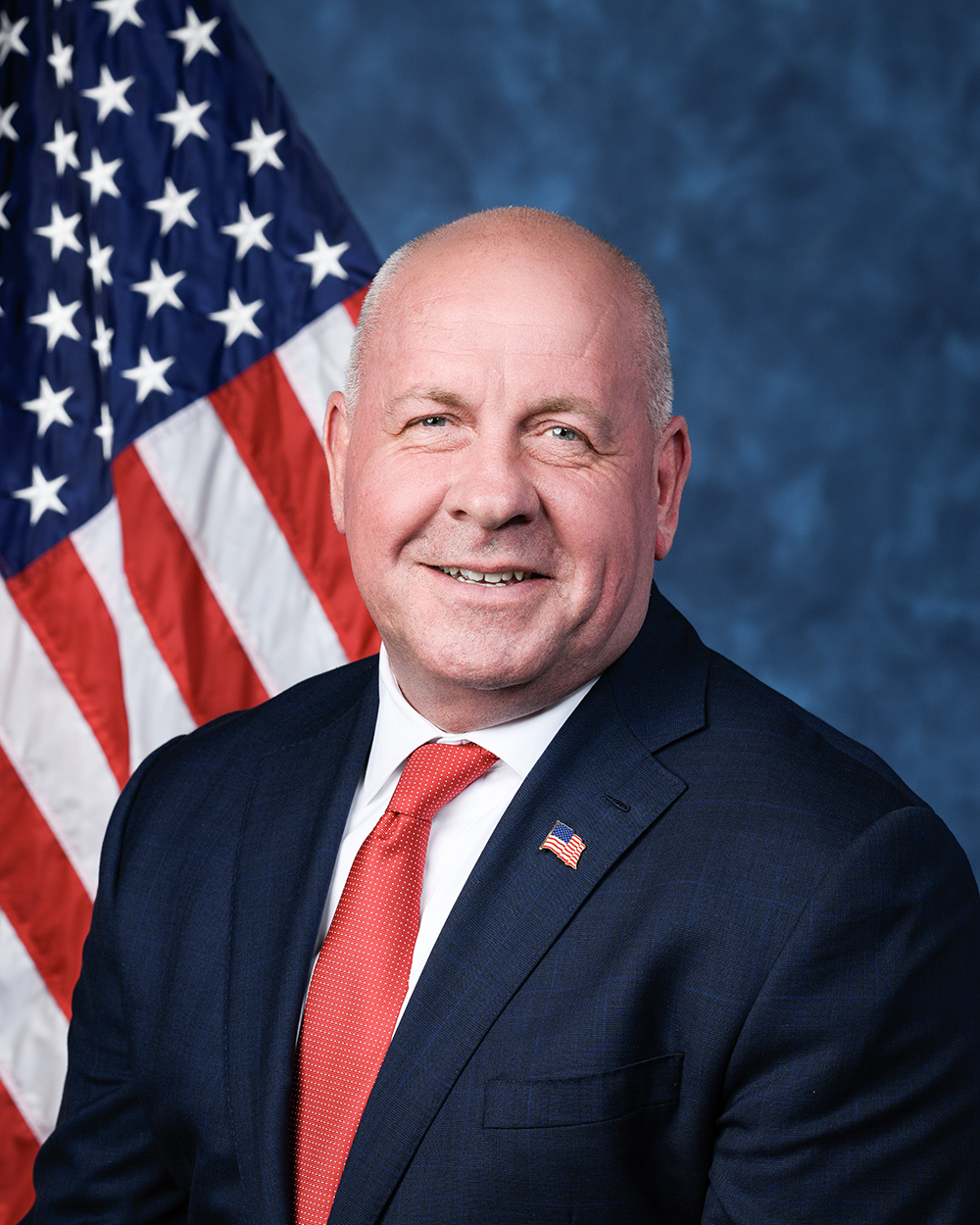
Rep. David J. Taylor
Sponsored bills
Maddy summaryHRES 729 is a symbolic resolution designating September 17, 2025, as "Constitution Day" to honor the 250th anniversary of the U.S. Constitution's signing (September 17, 1787). It does not create new laws or affect any specific group; instead, it urges the American public to observe the day with ceremonies and activities. The resolution emphasizes the Constitution's historical significance and its role in establishing American democracy. As a commemorative measure, it has no binding effect on policy or governance.
Maddy summaryThis bill (HR 5431) prohibits the use of federal taxpayer money to pay reparations ordered by international courts or bodies for violations of international law. It directly affects the U.S. federal government, blocking any payment from existing federal funds for such reparations. The key mechanism requires Congress to pass a new law approving any specific reparations payment after this bill takes effect. The bill does not block existing international agreements but prevents automatic federal funding for new reparations awards.
Maddy summaryThis bill permanently bans nitazenes and all structurally related synthetic opioids under federal law, creating a broad definition that covers numerous chemical variations designed to evade current restrictions. It directly affects anyone manufacturing, distributing, or possessing these substances without authorization, including illicit drug producers and users. The key mechanism is a class-wide Schedule I classification that includes specific structural features (like modified benzimidazole rings) and excludes new analogs from legal loopholes. This approach aims to prevent new nitazene variants from entering the illegal market and addresses their role in overdose deaths. Substances previously temporarily banned under similar rules will now be permanently prohibited as of the bill's enactment.
Maddy summaryHR 5401, the Pay Our Troops Act of 2026, ensures military personnel, civilian Defense workers, and supporting contractors receive pay during government funding gaps in fiscal year 2026. It appropriates emergency funds for active-duty service members, reserves, and their supporting personnel (including Coast Guard staff under DHS) if regular appropriations aren't enacted by the end of the fiscal year. The bill provides necessary pay and allowances during any period when full-year funding is unavailable, covering both active service and support roles. Funding expires when regular appropriations are passed, a funding resolution is enacted, or January 1, 2027, whichever comes first. This is a procedural measure to prevent pay delays for military and support staff during fiscal year 2026 funding lapses.
Maddy summaryHR 3427, the Water Resources Technical Assistance Review Act, requires the Government Accountability Office (GAO) to review the Environmental Protection Agency's (EPA) clean water technical assistance programs within one year of the bill's enactment. The GAO must examine how the EPA selects and partners with technical assistance providers, matches services to community needs (especially in economically distressed areas), coordinates with other agencies, and whether the assistance helps communities access broader water infrastructure programs. The review will also assess duplication across EPA programs and gaps in serving communities eligible for clean water infrastructure support. The EPA must then submit annual plans detailing how it implements the GAO's recommendations to improve these programs.
Maddy summaryHR 5364, the STOP FRAUD in Medicaid Act, expands state Medicaid fraud control units' authority to investigate and prosecute fraud committed by Medicaid beneficiaries (people receiving benefits), not just healthcare providers. It amends federal law to explicitly include "individuals applying for or receiving" Medicaid services in fraud investigations, requiring states to cover both provider and beneficiary fraud. The bill directs states to investigate false applications or misuse of benefits, such as lying about income to qualify or using benefits for unauthorized services. These changes take effect 180 days after the bill becomes law, applying to all Medicaid programs nationwide. The law focuses on clarifying investigative scope without creating new penalties or funding.
Maddy summaryThis symbolic resolution (HRES 700) condemns the assassination of Charlie Kirk, a conservative campus advocate and founder of Turning Point USA, who was killed on September 10, 2025, at Utah Valley University. It expresses the House's deepest condolences to Kirk’s family, including his wife and children, and honors his work promoting civil discourse among college students. The resolution does not create new laws or policies but serves as a formal expression of the House’s stance on the incident. It directly affects no individuals or groups through legislative action, as it is purely a ceremonial statement.
Maddy summaryHR 5031, the *Preserving Patient Access to Long-Term Care Pharmacies Act*, requires Medicare Part D plans and Medicare Advantage plans with drug coverage (MA-PD) to pay long-term care pharmacies an additional supply fee for each specified prescription dispensed to eligible beneficiaries during 2026 ($30) and 2027 (adjusted for inflation). This fee must be paid alongside existing reimbursements for drug costs and dispensing, with a $10,000 penalty for non-payment. The bill also directs the GAO to study long-term care pharmacy payment sustainability under Medicare, analyzing historical payments for brand/generic drugs and dispensing fees. It aims to ensure uninterrupted pharmacy access for Medicare beneficiaries in long-term care settings, particularly in rural areas.
Maddy summaryHR 4964, the Child Interstate Abortion Notification Act, requires physicians performing abortions on minors traveling across state lines to provide 24 hours of actual or constructive notice to the minor's parent before the procedure. It directly affects minors (under 18) seeking abortions in a state different from their residence, their parents, and healthcare providers. Key provisions mandate parental notification unless exceptions apply - such as medical emergencies, court waivers, verified abuse disclosures, or the minor being accompanied by a documented parent. The law aims to ensure compliance with parental involvement requirements in the minor’s home state, with penalties for noncompliance including fines or imprisonment for physicians.