

Maddy summaryThis resolution expresses support for designating May 2026 as Mental Health Awareness Month to highlight the importance of mental well-being and reduce stigma. It does not create new laws or allocate funding but serves as a formal statement acknowledging the rising rates of mental illness, suicide, and disparities in care across the United States. The text cites various statistics regarding anxiety, depression, and access to treatment to underscore the need for public awareness and continued efforts by medical and community organizations. Ultimately, the bill encourages citizens and institutions to use this month to promote mental health resources and support for individuals and families affected by mental illness.
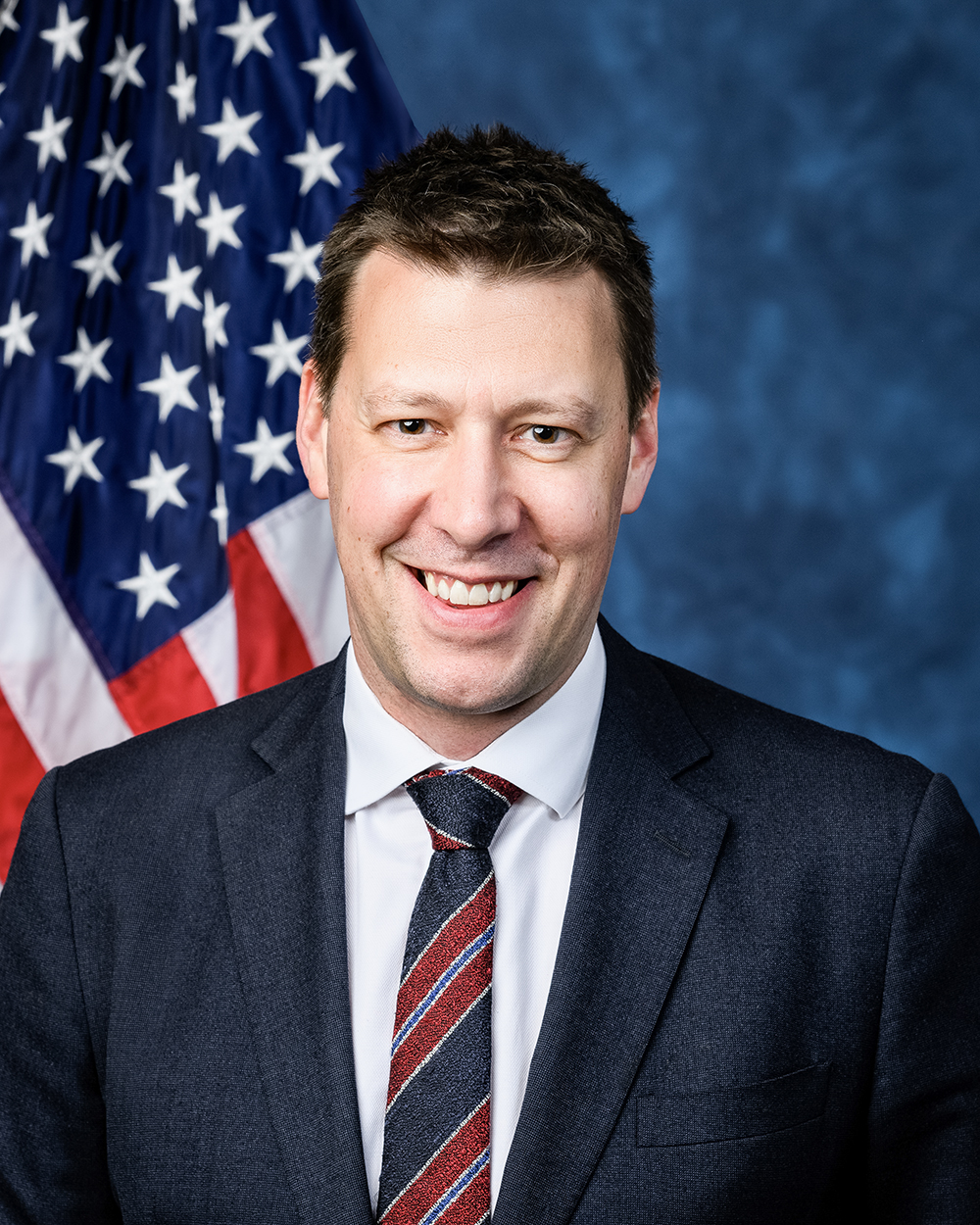
Rep. Josh Riley
Sponsored bills
Maddy summaryThe Celiac Safety Act of 2026 officially classifies gluten-containing grains as a major food allergen under federal law, directly impacting the food industry and individuals with celiac disease or gluten intolerance. This change requires manufacturers to label products containing wheat, rye, barley, or their crossbred hybrids with the same prominence as other major allergens like milk. The new labeling requirements will not take effect until 18 months after the law is enacted, giving businesses time to adjust their packaging and production processes.
Maddy summaryH.Res. 1320 is a non-binding resolution that calls on all Americans to honor military personnel who died while serving in the pursuit of freedom and peace on Memorial Day 2026. The bill does not create new laws or change any policies; instead, it serves as a formal expression of gratitude and remembrance from the House of Representatives. Because it is a commemorative resolution rather than a procedural or funding measure, it has no direct legal effect on individuals or government operations.
Maddy summaryThe SCREEN for Type 1 Diabetes Act of 2026 directs the Centers for Disease Control and Prevention to launch a national public awareness campaign focused on type 1 diabetes detection, screening, and management. This initiative will provide written materials and public service announcements across various media platforms, including social media and television, while consulting with health organizations, schools, and community groups to ensure the content is culturally and linguistically appropriate. The bill authorizes $5 million annually from 2027 to 2031 to fund grants for nonprofit entities and state or local health departments to distribute these resources and increase screening access in communities with high incidence rates. Additionally, the law requires the Secretary of Health and Human Services to submit a report to Congress within one year detailing the campaign's activities and its impact on diabetes detection and management.
Maddy summaryThis bill, titled the Assuring the Future of Tibet Act of 2026, expresses the sense of Congress that the Tibetan people should be recognized as a distinct group with rights to self-determination and cultural preservation. It formally acknowledges the Central Tibetan Administration as the legitimate representative of Tibetans and asserts that the Gaden Phodrang Trust holds the sole authority to recognize future Dalai Lamas. To support these positions, the legislation directs the President and Secretary of State to advocate for the Central Tibetan Administration's observer status at the United Nations and to extend appropriate diplomatic courtesies to its leaders during visits to the United States. Additionally, the bill mandates that the Secretary of State lead efforts to engage with Tibetan officials at senior levels and requires annual reports to Congress on the implementation of these diplomatic and advocacy measures.
Maddy summaryThe Bipartisan Transparency for American Taxpayers Act prohibits the use of federal funds to pay claims submitted to the Anti-Weaponization Fund. This fund was established by the Department of Justice on May 18, 2026, and the bill specifically bars any money from being used for these payments. The legislation directly affects the Department of Justice and any individuals or entities seeking reimbursement from this specific fund. By restricting funding sources, the bill aims to prevent taxpayer money from being spent on claims directed to this newly created entity.
Maddy summaryThis bill, the Provider Reimbursement Stability Act of 2026, aims to create more predictable payment adjustments for physicians and other healthcare providers under the Medicare program. It directly affects medical practices and providers who receive reimbursement for services through the physician fee schedule. The legislation increases a threshold for certain budget neutrality calculations from $20 million to $54.3 million in 2027, with automatic increases every five years thereafter. It also requires the government to correct payment estimates when actual service usage differs significantly from projections, mandates regular updates to cost calculations for practice expenses, and limits how much Medicare payment rates can change from year to year to a maximum of 2.5 percent.
Maddy summaryThe Recycling Infrastructure and Accessibility Act of 2025 establishes a competitive federal grant program to fund projects improving recycling access in underserved communities. It authorizes $30 million annually (2025-2029) for grants to states, local governments, tribes, or public-private partnerships to build infrastructure like transfer stations, expand curbside collection, or reduce transport costs. Grants must be $500,000-$15 million, with 70% reserved for projects in communities lacking a materials recovery facility within 75 miles. The program requires grantees to report on implementation and outcomes, excluding funding for recycling education.
Maddy summaryThis bill authorizes the U.S. Mint to produce commemorative $5 gold and $1 silver coins marking the 25th anniversary of the September 11, 2001, terrorist attacks. The coins must feature designs honoring victims and first responders (including the inscription "Never Forget") and will be sold only during 2027-2028. All surcharges ($35 per gold coin, $10 per silver coin) collected from sales will fund the National September 11 Memorial and Museum at the World Trade Center, with no net cost to the federal government. The coins are legal tender but primarily intended for collectors, not circulation.
This bill designates the facility of the United States Postal Service located at 5951 Riverdale Avenue in Bronx, New York, as the "Eliot L. Engel Post Office".