

Maddy summaryThe Data Infrastructure Energy Measurement and Standards Act directs the National Institute of Standards and Technology to develop better methods for measuring energy and water use in data centers, including those running artificial intelligence models. This research program aims to create standardized definitions and reporting guidelines that account for different power systems, cooling setups, and varying workload demands. The bill also requires the agency to coordinate with industry experts and international partners to establish global standards while sharing data to improve future energy demand forecasts. To support these efforts, the legislation authorizes $10 million in funding for each of the fiscal years 2027 through 2029.
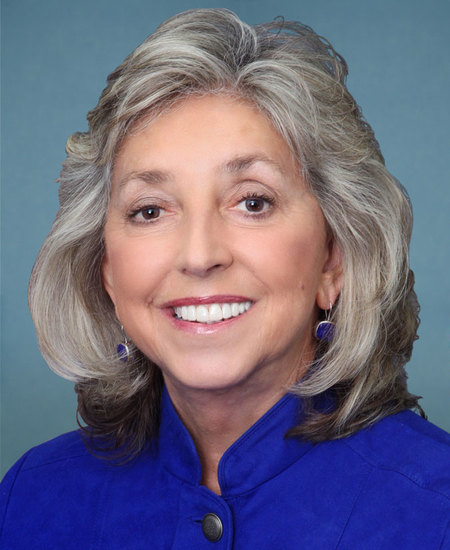
Rep. Dina Titus
Sponsored bills
Maddy summaryThis bill creates a federal grant program to help states and tribal governments improve their licensing systems for firearms dealers. To qualify for funding, a state must have laws requiring dealers to hold licenses valid for no more than three years, complete an application process, and allow for inspections with penalties for noncompliance. The Attorney General will award up to $2.5 million per year on a competitive basis to eligible applicants who submit detailed plans for developing or improving their programs. Recipients must provide annual reports on inspection numbers, violations, and license status, while the Attorney General must report grant details and denial reasons to Congress.
Maddy summaryThe SAFEGUARD Veterans Act of 2026 strengthens protections for veterans by imposing stricter penalties on individuals who charge unauthorized fees for helping with benefits claims and requiring that only accredited representatives or those under their supervision provide such assistance. Key provisions include creating an online searchable list of recognized and suspended agents, mandating warnings on Department websites about potential predatory practices, and adding questions to claim forms to identify anyone who charged fees for coaching or filing assistance. The bill also updates federal laws to prohibit the use of automated telephone equipment for making repeated calls to federal agencies and requires the Department of Veterans Affairs to establish a more accessible digital system for recognizing representatives and processing complaints. Additionally, the Department must conduct a review of its current regulations regarding representation and report its findings to Congress within 180 days of the law's enactment.
Maddy summaryThe Air Carrier Access Amendments Act of 2026 updates the Air Carrier Access Act to strengthen protections for individuals with disabilities who travel by air. It directly affects passengers with disabilities, service animal handlers, and air carriers by establishing new rules for handling specific violations. The bill allows aggrieved passengers to file civil lawsuits in federal court without first exhausting administrative remedies and permits courts to award compensatory and punitive damages. Additionally, it mandates that the Department of Transportation refer cases involving patterns of discrimination to the Attorney General for further legal action.
Maddy summaryThe EDUCATE Act of 2026 directs the National Institute of Food and Agriculture to create a grant program for universities to research marijuana cultivation and processing, with a specific focus on soil health, sustainability, and economic opportunities for minority farmers. This legislation also establishes a scholarship program to support students pursuing careers in marijuana agriculture and requires that at least 25% of the research funding be reserved for Hispanic-serving institutions. To encourage participation, the bill includes protections ensuring that institutions and individuals conducting federally authorized marijuana research cannot face denial of benefits or federal prosecution solely for their work. The program is authorized for five years, with $5 million allocated annually for research grants and $100,000 annually for scholarships, and recipients must agree to comply with all applicable federal laws regarding marijuana.
Maddy summaryThe Keeping Pets and Families Together Act authorizes $5 million annually from 2026 to 2030 to fund cooperative agreements between the USDA and state or local animal shelters. These funds would support microchipping programs for dogs and cats in care at public pounds, private humane societies, and contracted organizations before the animals are adopted or transferred. The legislation requires the Secretary of Agriculture to submit a report by December 31, 2030, evaluating the program's effectiveness and recommending whether to extend it.
Maddy summaryThe Veterans Visa and Protection Act of 2026 establishes a program to allow noncitizen veterans who were previously removed from or barred from entering the United States to return and obtain permanent resident status. It requires government officials to reopen and terminate removal cases for eligible veterans, provided they were not deported due to violent crimes or serious offenses involving at least five years in prison. The bill also mandates that noncitizen service members and veterans cannot be removed unless convicted of a crime of violence, while granting them access to military benefits and a streamlined path to naturalization. Additionally, the law directs immigration authorities to identify at-risk veterans, seek supervisory approval before initiating removal proceedings against them, and annotate official records with specific details about their military service.
Maddy summaryThis bill proposes a new amendment to the U.S. Constitution to guarantee the right to vote for all citizens of legal voting age in their place of residence. It requires states to allow voters to register and cast ballots on election day and mandates that Congress set national standards for how elections are administered. The amendment permits only narrowly tailored rules to protect election integrity and gives Congress the authority to pass laws enforcing these new voting rights.
Maddy summaryThis resolution expresses support for designating July 3 through July 10, 2026, as "National Extreme Heat Awareness Week" to educate the public on the dangers of extreme heat. The bill highlights how high temperatures threaten public safety, infrastructure, and agriculture, noting that heat is the leading weather-related cause of death in the United States. It encourages federal, state, and private entities to hold ceremonies and activities during this week to raise awareness about preventing heat-related illnesses and promoting community preparedness.
Maddy summaryThe PRIDE Act of 2026 expands the Office of Minority and Women Inclusion to include LGBTQI+ individuals and businesses. It amends existing financial and housing laws to require the office to consider gender identity and sexual orientation when enforcing regulations and supporting small businesses. The bill formally defines LGBTQI+ as lesbian, gay, bisexual, transgender, queer, or intersex and sets a standard where more than 50 percent of a business's ownership and profits must accrue to LGBTQI+ individuals to qualify as LGBTQI+-owned. This change directly affects the Department of the Treasury's oversight of financial institutions and the Small Business Administration's lending programs. By updating the legal definitions within the Dodd-Frank Act and related housing legislation, the bill ensures that federal support and compliance measures explicitly cover the LGBTQI+ community.