

Maddy summaryThis bill prohibits federal funds from being used to cover any abortion-related expenses for individuals classified as "illegal aliens" under immigration law. It specifically blocks taxpayer money from paying for travel, lodging, meals, childcare, translation, doula care, or patient education services connected to abortion access. The law directly affects non-citizens who are inadmissible or deportable under specific immigration statutes (as defined in the Immigration and Nationality Act). It applies to all federal programs and funds, restricting assistance for abortion services beyond the procedure itself.
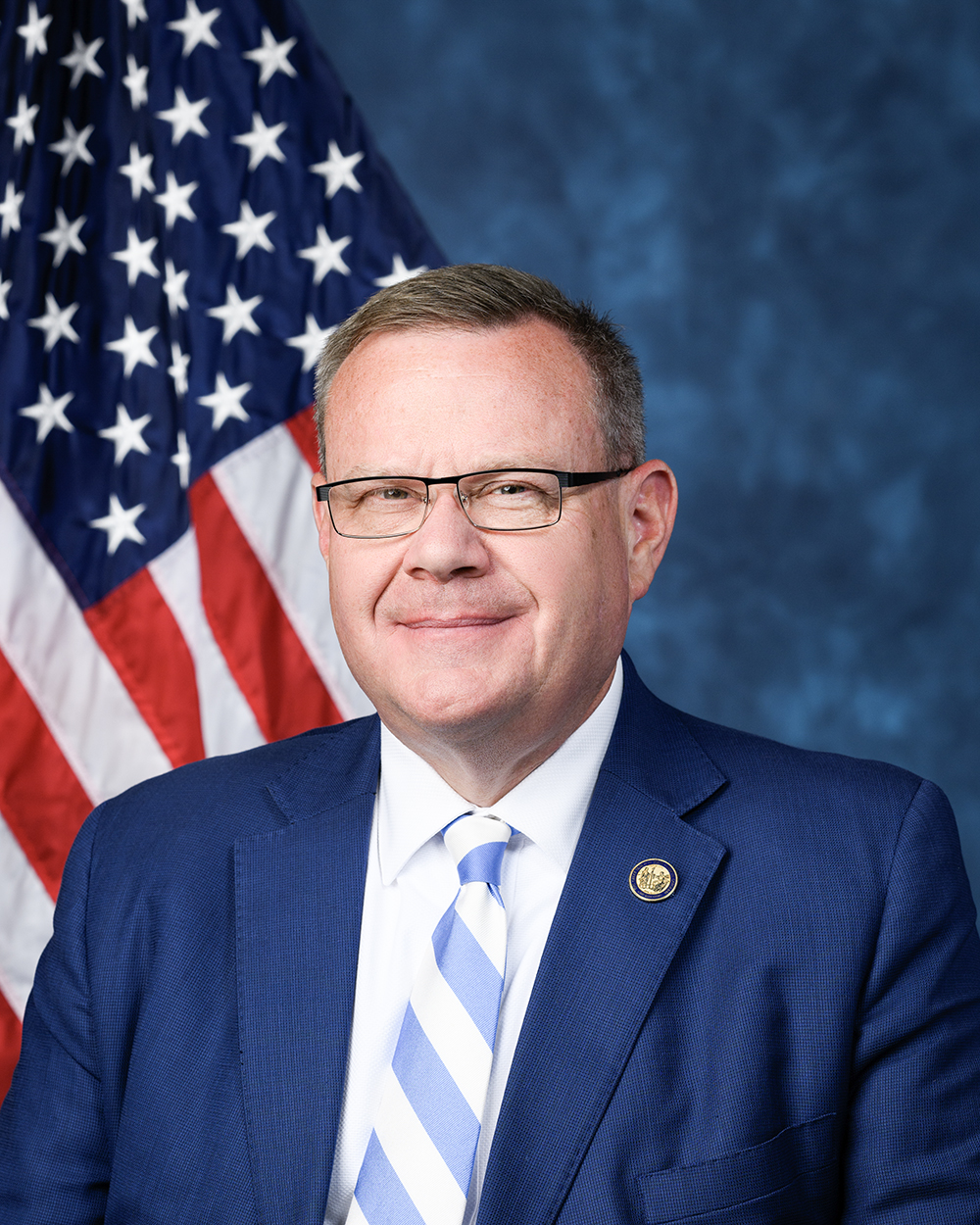
Rep. Tim Moore
Sponsored bills
Maddy summaryHR 6019 repeals a requirement that Senate offices must be notified when legal requests seek Senate data. Specifically, it removes Section 213 of the 2026 appropriations act, which mandated that Senate offices be informed about legal processes requesting disclosure of Senate data. This change directly affects Senate offices by eliminating a procedural notification step for legal requests involving their data. The bill makes no other policy changes, solely removing this specific administrative requirement.
Maddy summaryThis bill revises Washington D.C. law to require cash bail for individuals charged with "public safety or order crimes" (such as failure to appear, obstruction, rioting, or certain burglaries/robberies not involving weapons) and mandates pretrial detention for those charged with "crime of violence" or "dangerous crime" (expanding definitions to include first-degree or weapon-enhanced offenses). It removes exceptions allowing release without cash bail for violent crimes and replaces existing pretrial release procedures with new criteria focusing on public safety risks. The changes apply to offenses committed 30 days after enactment and define key terms like "secured appearance bond" (requiring property or money as collateral). This modifies D.C.'s existing bail framework to increase detention or financial requirements for specific offenses.
Maddy summaryHR 4070, the Tren de Aragua Border Security Threat Assessment Act, requires the Secretary of Homeland Security to conduct a detailed assessment of the criminal threats posed by the Venezuelan gang Tren de Aragua to U.S. borders within 180 days of the bill's enactment. The assessment must cover the group's origins, methods, funding, and specific threats to the southwest, northern, and maritime borders, followed by a strategic plan within one year outlining how federal, state, and local agencies will counter these threats through information sharing, interdiction, and preventing the group's expansion in the U.S. The bill directly affects DHS, intelligence agencies, and border law enforcement partners by mandating these reports and planning processes.
Maddy summaryHR 1109, the Litigation Transparency Act of 2025, requires parties and their lawyers in civil lawsuits to disclose to the court and other parties the identity of any person or group that could receive payment if the case succeeds (like investors or lenders), and to provide copies of related agreements. Exceptions apply for simple loan repayments (with interest limits) or attorney fee reimbursements. Disclosures must be made within 10 days of signing such agreements or when filing the case, and must be updated if inaccurate. This applies to all civil cases filed after the law takes effect, aiming to increase transparency in litigation funding arrangements.
Maddy summaryHRES 864 is a ceremonial resolution honoring U.S. veterans on Veterans Day 2025. It does not create new laws or policies but formally recognizes veterans' service and sacrifice, calling on all Americans to observe Veterans Day. The resolution references historical context about Veterans Day's origins (from Armistice Day to honoring all veterans) but contains no concrete policy changes. It directly addresses the general public, urging them to participate in the observance. As a non-binding resolution, it affects no specific individuals or groups through legislative action.
Maddy summaryHRES 866 is a non-binding House resolution condemning the systematic persecution of Christians in Nigeria by groups like Boko Haram and Fulani militants, and criticizing Nigeria's government for failing to protect Christian communities or acknowledge the violence. It calls on the U.S. government to support President Trump in using diplomatic, economic, and security tools to pressure Nigeria to end impunity for attacks, protect Christians, return displaced persons, and repeal blasphemy laws. The resolution specifically demands action against religiously motivated violence, including the release of those imprisoned for their faith, and urges coordination with international partners for humanitarian aid. It does not create new laws but expresses congressional support for U.S. policy actions targeting Nigeria's religious freedom violations.
Maddy summaryHR 5968, the Promoting Classical Learning Act of 2025, requires military service academies to accept scores from the Classic Learning Test (CLT) alongside the SAT or ACT for applicant admissions. It also mandates that Department of Defense Education Activity (DODEA) schools administer the CLT to all 11th graders. Additionally, the bill requires tribally controlled schools and Bureau of Indian Education (BIE)-operated schools to give the CLT to 11th graders. The bill directly affects applicants to military service academies and 11th-grade students in these specific federal school systems.
Maddy summaryThis is a procedural resolution (HRES 860), not a bill with legislative effect. It expresses the U.S. House of Representatives' support for former President Trump's 2020 decision to redesignate Nigeria as a "Country of Particular Concern" (CPC) under religious freedom laws. The resolution commends this action due to documented religious persecution in Nigeria, including violence against Christians and minority religious groups. It does not create new policy or alter U.S. assistance; it solely states congressional support for holding Nigeria accountable for religious freedom violations.
Maddy summaryThis bill ensures that critical firearm-related government operations continue during federal shutdowns. It designates background checks (via the FBI's National Instant Criminal Background Check System), Bureau of Alcohol, Tobacco, Firearms and Explosives enforcement, and firearm export licensing (handled by Commerce and State Departments) as essential services that must remain operational. These functions would be treated as "excepted" under federal law, meaning their employees would continue working even if other government services halt. The bill affects how background checks and firearm export licenses are processed during shutdowns but does not change gun ownership laws or eligibility.