

Ensuring Coverage in Public Health Emergencies Act of 2021 This bill requires private health insurance plans to provide a 30-day special enrollment period for eligible individuals after a public health emergency is declared. An employee who is eligible but not enrolled may enroll in an employer-provided group health plan during the special enrollment period.
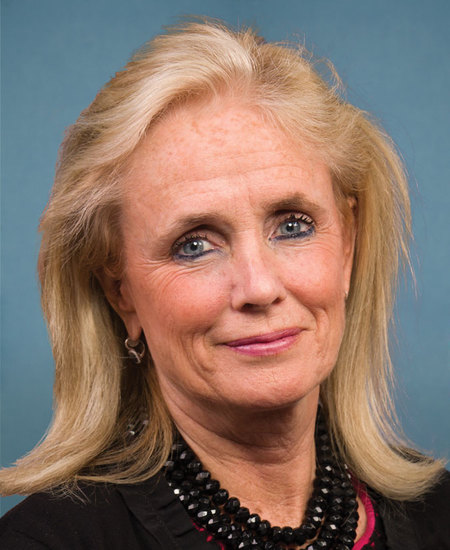
Rep. Debbie Dingell
Sponsored bills
Emergency Water is a Human Right Act This bill creates a grant program, administered by the Department of Health and Human Services, to provide funds to states and Indian tribes to assist low-income households that pay a high proportion of household income for drinking water and wastewater services. Further, any entity receiving financial assistance under this grant program must ensure that no home energy service or public water system service is or remains disconnected or interrupted during the COVID-19 (i.e., coronavirus disease 2019) public health emergency.
COVID HCBS Relief Act of 2021 This bill temporarily increases the applicable Federal Medical Assistance Percentage (i.e., federal matching rate) under Medicaid for certain approved home- and community-based services that are provided between October 1, 2020, and September 30, 2022. As a condition for receiving the increased rate, a state must agree to undertake activities to improve the delivery of such services during and after the public health emergency relating to COVID-19 (i.e., coronavirus disease 2019), such as by providing additional benefits to home health workers and by helping individuals who were relocated to nursing facilities during the emergency move back to their homes.
Mental Health Access Improvement Act of 2021 This bill provides for coverage of marriage and family therapist services and mental health counselor services under Medicare. It also excludes such services from the skilled nursing facility prospective payment system, and authorizes marriage and family therapists and mental health counselors to develop discharge plans for post-hospital services.
Nationally Enhancing the Well-being of Babies through Outreach and Research Now Act or the NEWBORN Act This bill establishes a pilot program through which the Health Resources and Services Administration must award grants to territorial, tribal, and local health departments in areas with the highest rates of infant mortality to address birth defects, premature births, and other leading causes of infant death.
This joint resolution honors the contributions of school counselors to the success of students in elementary and secondary schools. The resolution encourages the observation of National School Counseling Week with ceremonies and activities that promote awareness of the crucial role school counselors play in preparing students for fulfilling lives as contributing members of society.
Woman on the Twenty Act of 2021 This bill bars the printing of any $20 note after December 31, 2024, which does not prominently feature a portrait of Harriet Tubman on the front face of the note. The Department of the Treasury shall release to the public the preliminary design of the $20 note prominently featuring a portrait of Harriet Tubman no later than December 31, 2022.
Global Health, Empowerment and Rights Act This bill establishes that a foreign nongovernmental organization shall not be disqualified from receiving certain U.S. international development assistance solely because the organization provides medical services using non-U.S. government funds if the medical services are legal in both the United States and the country in which they are being provided. Such foreign organizations shall not be subject to requirements relating to their use of non-U.S. funds for advocacy or lobbying activities, other than those that apply to U.S. nongovernmental organizations. Current U.S. policy prohibits various foreign assistance from going to a foreign nongovernmental organization unless it agrees to not perform or actively promote abortions.
Raise the Wage Act of 2021 This bill increases the federal minimum wage for regular employees over a 5-year period, for tipped employees, and for newly hired employees who are less than 20 years old. The bill sets forth a schedule of annual increases in the federal minimum wage for individuals with disabilities. The Department of Labor shall no longer issue special certificates for the payment of subminimum wages to such individuals after the final wage increase under this bill for such individuals takes effect. Labor shall provide, upon request, technical assistance and information to employers to (1) help them transition their practices to comply with wage increases and other requirements under this bill for individuals with disabilities, and (2) ensure continuing employment opportunities for such individuals. The bill eliminates the separate minimum wage requirements for tipped, newly hired, and disabled employees. After a specified period, these employees shall be paid the same minimum wage as regular employees. Labor must publish any increase in the minimum wage in the Federal Register and on its website 60 days before it takes effect.
This concurrent resolution mourns the death of U.S. Capitol Police Officer Brian D. Sicknick and expresses the gratitude of the country for his courage and sacrifice. Further, the resolution directs the leaders of the House of Representatives and the Senate to select an appropriate memorial honoring Officer Sicknick to be located in the U.S. Capitol.