

Maddy summaryThis bill, known as the Capping Appointed Positions Act, limits the total number of specific high-level roles in the federal executive branch to a maximum of 1,600 positions. It directly affects confidential or policy-determining jobs classified under Schedule C and Schedule G, which are typically filled by individuals appointed rather than hired through standard civil service procedures. The law sets a hard cap for fiscal year 2027 and every year after that, ensuring the combined total of these positions cannot exceed the specified limit. By restricting the quantity of these roles, the legislation aims to control the size of the appointed workforce within the government's executive agencies.
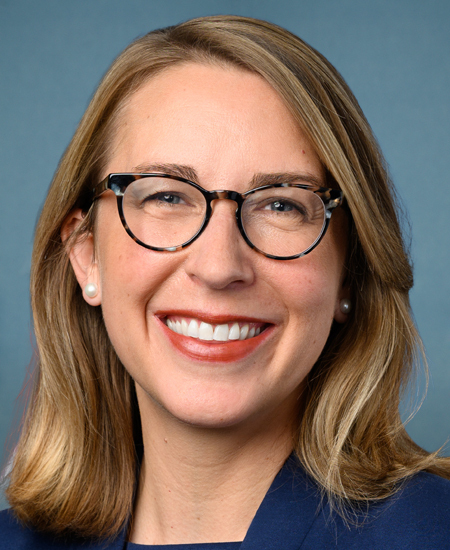
Rep. Hillary J. Scholten
Sponsored bills
Maddy summaryThis bill requires Medicare Advantage plans to implement electronic pre-approval systems for medical services by 2028 and meet transparency reporting standards starting in 2027. Plans must publicly report data on approval/denial rates, appeal outcomes, response times, and technology use for pre-approval requests, including details on how denials relate to clinical criteria. It establishes a 24-hour response timeframe for certain requests and mandates annual reviews of pre-approval requirements based on data and input from seniors and providers. The law directly affects Medicare Advantage plans, seniors enrolled in these plans, and healthcare providers who submit pre-approval requests. These changes aim to make the pre-approval process faster, more transparent, and more accountable for seniors seeking covered medical services.
Maddy summaryThis resolution expresses support for designating July 10th as Journeyman Lineworkers Recognition Day to honor the workers who maintain the nation's electrical grid. The bill specifically recognizes the dangerous conditions these employees face, such as working at heights near live power lines and responding to disasters like hurricanes and wildfires. It also commemorates Henry Miller, the first president of the International Brotherhood of Electrical Workers, who died on July 10, 1896, while performing his duties. Ultimately, the measure encourages the public to observe this day with reflection on the contributions of lineworkers.
Maddy summaryThe Jewish American Security Act aims to combat antisemitism by strengthening protections for Jewish students, securing Jewish communities, and increasing transparency regarding online hate speech. For educational institutions receiving federal funds, the bill mandates the creation of specific coordinators to handle discrimination complaints, requires annual training on handling antisemitism, and establishes a new federal clearinghouse to share best practices for campus safety. To support physical security, the legislation expands grant funding for nonprofit organizations and directs the Attorney General to provide resources for law enforcement agencies protecting houses of worship. Additionally, the act requires major online platforms with over 50 million monthly users to submit detailed reports to the Federal Trade Commission on how they detect, remove, and moderate antisemitic content.
Maddy summaryThis resolution formally acknowledges Michigan's contributions to the United States as the nation celebrates the 250th anniversary of the Declaration of Independence. It recognizes that Michigan became the 26th state in 1837 and highlights the lasting impact its residents have had on the country's success. The measure encourages all citizens to reflect on the ideals of the Founding Fathers and the fight for independence. As a commemorative action, the bill does not create new laws or change existing policies but serves to honor historical events and state achievements.
Maddy summaryThe Child Care Small Business Insight and Improvement Act of 2026 directs the Small Business Administration to submit a report to Congress within 120 days of enactment. This report will analyze the challenges and needs faced by for-profit child care providers, evaluate current SBA support, and identify any gaps in those resources. Additionally, the study will assess fraud instances among these providers and propose legislative changes to prevent misuse of federal funds. The bill does not authorize new funding, as it relies on existing resources to conduct this analysis.
Maddy summaryThe Quiet Skies Act directs the Secretary of Transportation to create new regulations banning voice calls on cell phones in the United States. This rule must be finalized within 180 days of the law's enactment and will apply to all air travelers. The bill aims to reduce noise on airplanes by prohibiting passengers from making or receiving phone calls while in flight.
Maddy summaryThe Water Reservoir Transparency Act requires the Secretary of the Army to conduct a study on how new commercial and industrial water users impact reservoir levels and usage managed by the Corps of Engineers. Within 180 days of passing, the Secretary must submit the study results to specific congressional committees and publish the report on the Corps of Engineers website for public access. This legislation focuses on improving data transparency regarding water resource management rather than changing existing water rights or usage regulations.
Maddy summaryThe Clean Ports for Commerce Act requires the Secretary of the Army to create an advanced plan before dredging materials known to contain PFAS chemicals. This plan must identify where the contaminated materials will be disposed of, outline steps to protect water quality and public health, and estimate any potential delays caused by these substances. The legislation directly impacts federal dredging projects and aims to ensure that cleanup operations are managed safely before they begin. By mandating these specific preparations, the bill seeks to address environmental and health risks associated with PFAS in port maintenance work.
Maddy summaryThe READ AI Models Act directs the National Institute of Standards and Technology (NIST) to develop a free, flexible template for documenting artificial intelligence (AI) models. The template would require basic details like developer information, training data cutoff dates, supported languages, and terms of service for both public and private sector AI models. NIST must gather public input through a 60-day comment period before finalizing the template and technical guidelines. If the pilot program proves effective, NIST would publish the template publicly and report to Congress within one year.