

Maddy summaryThis bill amends the Espionage Act to reform how whistleblowers and press freedom are protected under federal law. It requires prosecutors to prove that individuals leaked classified information with specific intent to harm the United States or benefit foreign nations, rather than just showing they knew the information was classified. The legislation also establishes an affirmative defense allowing defendants to argue they disclosed information to reveal illegal activities, constitutional violations, or significant threats to public health and safety. Additionally, it permits defendants charged under these sections to testify about their motivations for releasing the information. These changes directly affect government employees, contractors, and journalists who handle classified materials.
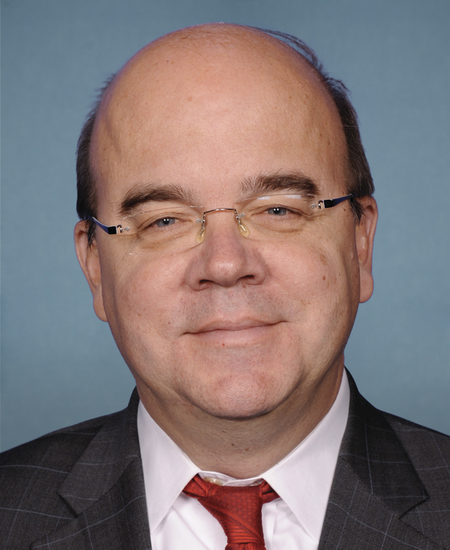
Rep. James P. McGovern
Sponsored bills
Maddy summaryThis bill, known as the Fair Wages for Home Care Workers Act, would change federal labor rules to require overtime pay and minimum wage protections for certain babysitters. It specifically targets casual babysitting work that is irregular or intermittent, while excluding trained medical professionals like nurses and home health aides from these changes. The law would also allow babysitters to perform up to 20% of their work time on unrelated household tasks without losing their protected status. These amendments would apply to workers covered by the Fair Labor Standards Act of 1938 who provide custodial care for infants or children in private homes.
This concurrent resolution directs the President to terminate the use of U.S. Armed Forces from hostilities against Iran or any part of the Iranian government or military unless a declaration of war or authorization to use military force for such purpose has been enacted. The resolution specifies that it shall not be construed to prevent the United States from defending itself from imminent attack.
Maddy summaryHRES 1107 is a House resolution urging the President to issue a proclamation flying the U.S. flag at half-staff to honor Rev. Jesse Jackson. The resolution recognizes his civil rights leadership, including founding the Rainbow PUSH Coalition and his presidential campaigns in 1984 and 1988, which advanced racial equality and economic justice. This symbolic gesture directly affects the President (as the one who would issue the proclamation) and the public, who would observe the flag at half-staff.
Maddy summaryThis bill, known as the Direct File Act of 2026, would establish a government-run online system allowing taxpayers to prepare and file their individual income tax returns for free. The legislation prohibits the Treasury Department from entering into agreements that restrict its ability to provide tax preparation or filing services, and it voids any existing contracts with such restrictions. The program would use IRS data to simplify filing, include customer support, be available in multiple languages, and allow users to file even if they are not required to. It also enables taxpayers in participating states to file state and local returns alongside their federal returns, with funding provided to states that meet certain standards.
Maddy summaryThe DISCLOSE Act of 2026 aims to increase transparency in election spending and prevent foreign influence. It expands the ban on foreign money to cover federal, state, and local elections, including ballot initiatives and judicial nominations, and criminalizes using corporations to conceal these funds. The bill mandates that organizations spending over $10,000 on campaign-related activities, such as independent expenditures or judicial nomination advocacy, disclose their beneficial owners and top donors. Additionally, it establishes new "Stand By Every Ad" disclaimers for political communications, requiring the highest-ranking official to approve the message and, for certain ads, list their top funders. These provisions directly affect non-candidate organizations, individuals involved in political and judicial nomination spending, and foreign nationals.
Maddy summaryThis resolution (HRES 1088) is a non-binding House of Representatives measure recognizing the importance of Black history museums and cultural institutions. It formally acknowledges their role in preserving Black American history and contributions, particularly in relation to the 2026 100th anniversary of Black History Month and the U.S. 250th anniversary. The resolution urges the House to affirm that Black history is foundational to American history and calls for federal agencies to support these institutions through funding and partnerships. It also encourages the public to visit these museums, support them financially, and engage with their educational resources. The resolution does not create new laws or allocate funding, but serves as a symbolic endorsement of these institutions' cultural and historical significance.
Maddy summaryHR 7736, the RELIEF Act, requires U.S. Customs and Border Protection to refund tariffs collected under the International Emergency Economic Powers Act (IEEPA) on imports entered on or after January 1, 2025. It directly affects importers of record by mandating automatic refunds within 90 days of the bill's enactment, without requiring them to submit applications or protests. The bill directs Customs to use existing data to calculate and disburse refunds for all affected tariff collections, including entries involving goods withdrawn from warehouse for consumption. This policy change eliminates the need for importers to seek refunds through separate processes, streamlining the recovery of overpaid duties.
Maddy summaryHR 7740, the African American History Act of 2026, authorizes $4 million annually for the National Museum of African American History and Culture to develop educational resources and support teaching about African American history. The bill directs the museum to create digital and print materials, provide teacher training, and expand access to curriculum resources for K-12 and college classrooms. It requires annual reports to Congress on fund usage and expires in 2030. This program directly affects educators and students by enhancing classroom materials and professional development on African American history.
Maddy summaryHRES 1080 is a symbolic resolution recognizing and celebrating Black History Month 2026, focusing on its theme "A Century of Black History Commemorations." It highlights historical figures and events central to Black history, including Carter G. Woodson’s founding of Negro History Week (the precursor to Black History Month), Juneteenth, and key moments like the 1865 Charleston commemoration. The resolution emphasizes how Black history commemorations counter historical erasure and affirm Black contributions to U.S. history, referencing figures like Mary McLeod Bethune and W.E.B. Du Bois. As a ceremonial resolution, it has no binding effect but aims to raise awareness of Black achievements through official recognition.