

Maddy summaryThe IMPACT to Save Moms Act directs the Centers for Medicare & Medicaid Services to run a five-year demonstration project from 2027 to 2031, allowing states to test new payment models for maternity care under Medicaid and state child health plans. This initiative aims to improve health outcomes for pregnant and postpartum individuals, with a specific focus on reducing disparities among groups that experience higher rates of maternal mortality and severe complications. To achieve these goals, the project requires states to consider alternative payment structures that account for pregnancy risk levels, include diverse care teams with training on bias, and address social factors affecting health. The bill also mandates that the federal government evaluate the project's impact on health outcomes and spending, and submit a final report to Congress with recommendations on whether to expand the program nationwide.
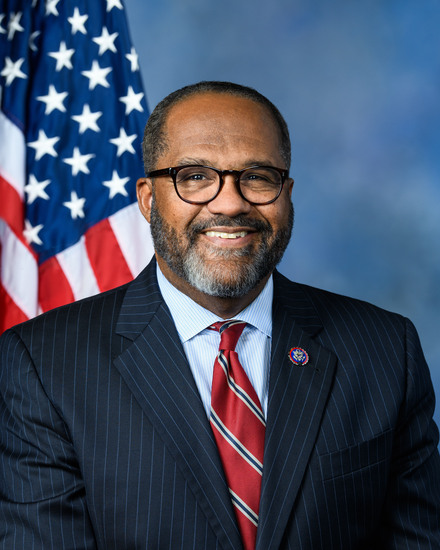
Rep. Troy A. Carter
Sponsored bills
Maddy summaryThe Restoring Overtime Pay Act of 2026 raises the minimum salary required for certain employees to be exempt from federal overtime pay rules, starting at $45,000 per year and increasing annually until it reaches $75,000 by 2029. The bill also mandates that this threshold automatically updates each year to match the 55th percentile of weekly earnings for full-time salaried workers nationwide, with adjustments taking effect based on Bureau of Labor Statistics data. Additionally, the law modifies the duties test for exemption, requiring that at least 20 percent of an employee's time be spent on executive or administrative tasks rather than the current 40 percent standard. These changes directly affect employers and workers covered by the Fair Labor Standards Act by redefining eligibility for overtime exemptions and establishing a new mechanism for adjusting salary requirements over time.
Maddy summaryThe Protecting Our Democracy Act is a comprehensive legislative bill designed to prevent abuses of presidential power, restore checks and balances, and defend elections against foreign interference. Key provisions include prohibiting the President from granting self-pardons, requiring congressional oversight for pardons involving the President or their family, and banning the President from accepting payments from individuals who have received clemency. The bill also strengthens enforcement of the Hatch Act and ethics rules for political appointees, mandates greater transparency in presidential tax returns and campaign finances, and restricts the use of federal property for political conventions. Additionally, it expands reporting requirements for foreign contacts in federal campaigns and imposes stricter penalties for violations of election laws.
Maddy summaryThe Maternal Health Pandemic Response Act allocates $200 million to the Centers for Disease Control and Prevention to improve data collection, surveillance, and research on how public health emergencies affect pregnant and postpartum individuals. This funding supports efforts to gather detailed demographic information on maternal health outcomes, establish regional centers of excellence, and expand surveys to better reach underrepresented communities. The legislation also requires the CDC to make this data publicly available in a disaggregated format while protecting patient privacy, and mandates public education campaigns to ensure accurate information reaches families and healthcare providers. Additionally, the bill creates a diverse task force to develop federal recommendations for respectful maternity care during emergencies, addressing issues such as telehealth access, doula coverage, and the treatment of mental health and substance use disorders. These measures aim to reduce health disparities and improve care quality for pregnant people from racial and ethnic minority groups during public health crises.
Maddy summaryHR 4109, the Recycling and Composting Accountability Act, requires the Environmental Protection Agency (EPA) to collect and report detailed data on recycling and composting infrastructure across the U.S. The bill mandates reports on composting facilities, materials recovery centers (which process recyclable materials like plastic, paper, and metal), contamination rates, and barriers to expanding these programs. It also directs the EPA to develop standardized recycling rates, track end-market sales of recycled materials, and assess how much recyclable material is diverted from reuse. These reports will be submitted to Congress and used by states, local governments, and tribes to improve recycling access, reduce waste, and inform future policy decisions.
Maddy summaryThe Universal School Meals Program Act of 2026 mandates that all public schools provide free breakfast and lunch to every enrolled student, regardless of income. It establishes specific funding rates for these meals, adjusts payments based on the use of locally sourced food, and eliminates the ability of schools to collect debt for unpaid charges. Additionally, the bill expands free meal access to summer programs, afterschool care, and incarcerated juveniles while updating poverty measurement standards across various federal education and nutrition laws.
This resolution calls on elected officials, faith leaders, and civil society leaders to condemn and counter acts of anti-Semitism. The resolution also honors the contributions of Jewish-American servicemembers and commits to ensuring all Americans, including Jewish Americans, can worship without fear of violence or persecution.
Maddy summaryThe FLEX Act amends the Elementary and Secondary Education Act to increase funding for high-quality charter schools. It raises required funding reserves for program expansion (from 12.5% to 15% and 22.5% to 25%) and mandates at least 30% of funds be reserved for charter school facilities, national activities, and program support. The bill explicitly allows funding for "addition or expansion of programs" at existing charter schools (e.g., new academic programs or personalized learning) and permits single-sex educational services. It also clarifies that funds can cover facility operations, renovations, and student transportation needs. This directly affects charter schools, state education entities administering grants, and charter management organizations receiving federal support.
Save Our Shrimpers Act This bill prohibits federal funds from being made available to international financial institutions (e.g., the International Monetary Fund) for financing activities related to foreign shrimp farms. The bill also requires an annual report on compliance by U.S. leadership of international financial institutions with policies to oppose financing for certain commodities or minerals. Specifically, the bill requires the Department of the Treasury to condition any provision of federal funds to an international financial institution on the requirement that the funds not be used to finance any activity related to shrimp farming, shrimp processing, or the export of shrimp in any foreign country. Under current law, Treasury must instruct U.S. leadership of international financial institutions to oppose providing financial assistance for the production or extraction of any commodity or mineral for export if (1) the commodity or mineral is in surplus on world markets, and (2) the export of such commodity or mineral will cause substantial injury to U.S. producers of a competing commodity or mineral (or of the same or a similar commodity or mineral). This bill requires the Government Accountability Office to investigate and annually report to Congress on the extent to which U.S. leadership at these institutions have carried out Treasury's instructions.
Maddy summaryThe SAFE through Medicare Act expands Medicare coverage to include specific home resiliency services for individuals deemed medically at-risk during climate or manmade disasters. This bill defines these services as medically necessary items, such as heat pumps, solar batteries, and energy-efficient cold storage, that help vulnerable people cope with extreme weather events like heat waves, cold snaps, or flooding. To determine eligibility, the Secretary of Health and Human Services will establish a process considering factors like geographic climate risks, local disaster history, and a patient's reliance on temperature-sensitive medical equipment or power-dependent devices. If approved, Medicare will cover 100 percent of the cost for these services, provided they are furnished on or after January 1, 2027.