

No Congressional Gun Loophole Act This bill prohibits the Capitol Police Board from allowing Members of Congress or their staff to carry firearms on the grounds of the U.S. Capitol or in its buildings. Members and their staff may store firearms in their cars in Capitol complex garages if their possession complies with the firearms laws of the District of Columbia and the firearms are locked with gun locks while on the complex. Current board regulations allow Members of Congress to keep firearms in their offices; the regulations also allow Members and their staff to transport unloaded and securely wrapped firearms within the Capitol grounds. Firearms are prohibited inside the chambers of the Senate and the House of Representatives, as well as in adjacent lobbies and cloakrooms, the galleries, the Marble Room of the Senate, and the Rayburn Room of the House, unless approved by the Sergeants at Arms for security purposes.
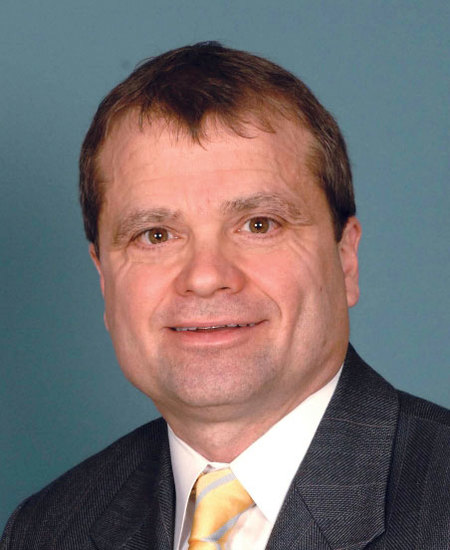
Rep. Mike Quigley
Sponsored bills
Transportation Alternatives Enhancements Act This bill revises the surface transportation block grant program (Transportation Alternatives Program) of the Department of Transportation (DOT). The bill requires DOT to set aside 10% of apportioned funds under the program each fiscal year for states, and allows states to allocate funds to counties, metropolitan planning organizations (MPOs), regional transportation planning organizations, and local governments. Funds may be used for certain projects or activities, including the construction, planning, and design of infrastructure-related projects and systems that will provide safe routes for nondrivers, such as children, older adults, and individuals with disabilities, to access daily needs. MPOs that serve an urbanized area with a population of 200,000 or fewer are eligible for funding under the program. The bill also adjusts funding limits for states to improve the ability of applicants to access funding in an efficient and expeditious manner.
Flood Resiliency and Taxpayer Savings Act of 2021 This bill requires federal agencies to take specified actions to evaluate and mitigate the risk of floods to federally funded projects. Specifically, the bill directs federal agencies to evaluate the potential for flooding throughout the planned lifetime or duration of a federally funded project to reduce the risk of financial and property losses and prevent the disruption of critical services during floods. Further, federal agencies must consider certain data and information (e.g., the most recent flood insurance rate map published by the Federal Emergency Management Agency) when evaluating whether a federally funded project is in a floodplain. If the agency determines the data and information are not adequate for understanding the flood risks to the project, then the agency must use an alternative design standard outlined by the bill. Finally, the bill directs the Federal Interagency Floodplain Management Task Force to issue guidelines for federal agencies related to flood risk management.
Safe and Quiet Skies Act of 2021 This bill sets forth requirements for commercial air tour flights. Among other requirements, the bill prohibits tour flights within a half mile of military installations, national cemeteries, national wilderness areas, national parks, and national wildlife refuges; prohibits tour flights from operating at an altitude of less than 1,500 feet; requires tour flights over occupied areas (e.g., residential, commercial, and recreational areas) to be no louder than 55dbA; and allows states and localities to impose additional requirements that are stricter than the minimum federal requirements.
Health Care Affordability Act of 2021 This bill revises the tax credit for health care premium assistance to expand the eligibility of low-income taxpayers for such credit and reduce the cost of health care premiums.
USPS Fairness Act This bill repeals the requirement that the U.S. Postal Service annually prepay future retirement health benefits.
COVID-19 Mine Worker Protection Act This bill requires the Department of Labor to issue health and safety standards to protect coal miners from occupational exposure to COVID-19 (i.e., coronavirus disease 2019). Labor shall provide for emergency standards within seven days of this bill's enactment, and such emergency standards shall be in force until permanent standards are promulgated. Labor shall also collect data to track and investigate cases of exposure to COVID-19 among coal miners.
This resolution expresses the sense that it is the federal government's duty to develop and implement a Roadmap to Freedom immigration reform plan by (1) promoting full citizenship, (2) protecting and strengthening a fair process centered on family unity, (3) promoting and preserving diversity by encouraging immigration from underrepresented countries, and (4) establishing a just and humane system to uphold immigration laws.
This resolution mourns the death of U.S. Capitol Police Officer Brian D. Sicknick, and it honors his lifelong commitment to service and his selfless acts of heroism on January 6, 2021.
This resolution calls for the federal government to establish a national biodiversity strategy, which must include a goal of conserving at least 30% of U.S. lands and waters to protect biodiversity and address climate change by 2030 and other goals necessary to reduce the threats to biodiversity.