

Maddy summaryThis bill cancels a presidential proclamation that would have imposed a temporary import surcharge on goods entering the United States. It directly affects businesses and consumers by declaring the surcharge invalid and prohibiting the government from collecting or spending money on it. The legislation also requires the President to refund any tariffs already collected under the canceled proclamation. This action effectively removes the proposed import tax and restores the previous trade policy status.
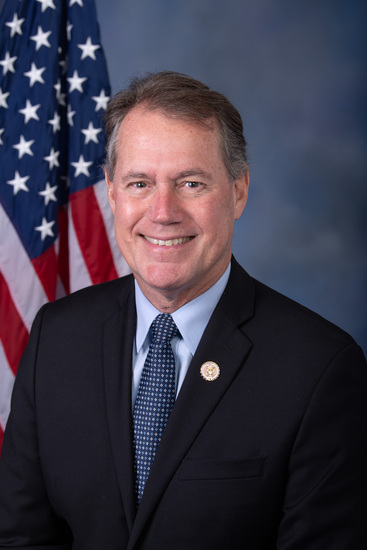
Rep. Ed Case
Sponsored bills
Maddy summaryThis resolution expresses support for recognizing April as National Language Access Month to highlight the importance of language services for individuals with limited English proficiency. It directly affects millions of Americans who speak languages other than English at home and rely on translation and interpretation services to access public services. The bill does not create new laws or funding but serves as a symbolic gesture to raise awareness about existing federal requirements for language access in areas like healthcare, employment, and voting. It encourages federal agencies, state and local governments, and community organizations to promote awareness of language access rights and resources during the designated month.
Maddy summaryThis concurrent resolution expresses support for International Transgender Day of Visibility, a day established in 2009 to honor the transgender community and raise awareness of the discrimination and violence they face. The bill encourages the House of Representatives and the American public to observe this day with ceremonies and activities while recognizing the accomplishments and leadership of transgender individuals. It acknowledges ongoing challenges such as employment discrimination, healthcare restrictions, and anti-transgender legislation, while also highlighting the community's contributions to politics, culture, and civil rights. As a concurrent resolution, it does not create new laws or regulations but serves as an official statement of congressional support for the day's goals and ideals.
Maddy summaryHRES 971 is a non-binding resolution condemning China's economic and military actions against Japan following Japanese officials' comments about Taiwan. It specifically addresses China's travel advisory (causing $1.2 billion in tourism losses), a ban on Japanese seafood imports, and military drills near Japanese territory. The resolution reaffirms U.S. support for the U.S.-Japan alliance under their mutual security treaty and calls on China to cease coercion. It emphasizes U.S. commitment to upholding a "free and open Indo-Pacific" based on international law. This resolution directly affects Japan's economy and security, with no new legal obligations but serving as a formal U.S. policy statement.
Maddy summaryHR 3447, the Chip Security Act, requires manufacturers to equip specific advanced integrated circuits (classified under export control numbers like 3A090) with security mechanisms before exporting them. These mechanisms must verify location and prevent unauthorized access, diversion, or tampering. The law mandates this for covered chips within 180 days of enactment, with a follow-up assessment within one year to develop additional security requirements. It directly affects U.S. chip exporters and importers of these high-tech products, aiming to strengthen export control compliance and national security.
Maddy summaryThe Airport Regulatory Relief Act of 2025 allows the federal government to use state highway standards instead of federal aviation standards for pavement construction at smaller airports. It directly affects nonprimary airports serving aircraft weighing 60,000 pounds or less, which are typically smaller community airports. The bill requires states to notify the federal Secretary of Transportation if they want to use their highway standards, and the Secretary must confirm the standards won’t compromise safety. This change simplifies construction requirements for eligible airports by aligning them with existing state infrastructure rules.
Maddy summaryHR 7518 amends the 1990 Food, Agriculture, Conservation, and Trade Act to establish minimum staffing requirements for two federal forestry research institutes. It mandates that the Institute of Tropical Forestry in Puerto Rico maintain a staff of at least 50 individuals, and the Institute of Pacific Islands Forestry must have at least 30 staff members, both with adequate resources. These provisions require the Secretary of Agriculture to ensure sufficient staffing to advance scientific research, demonstration, and knowledge exchange related to tropical and Pacific Island forestry. The bill directly affects these two federally funded research institutes and their operational capacity.
Maddy summaryHR 7455 amends the Emergency Food Assistance Act of 1983 to allow certain eligible states to receive their federal food assistance funds as cash instead of physical commodities. This change would let states directly purchase food from commercial markets using these funds, rather than receiving commodities through the federal system. The bill affects states that meet the definition of "eligible State" under the 2018 Farm Bill (Agriculture Improvement Act of 2018). The key provision replaces the current process where the federal government buys and distributes food with a system where states use cash for direct procurement.
Maddy summaryThe Energy Bills Relief Act aims to lower household energy costs and accelerate the development of low-cost, clean energy by modifying federal tax credits, expanding weatherization programs, and streamlining permitting processes. Key provisions include restoring tax incentives for renewable energy projects, increasing funding for low-income heating assistance, and requiring federal agencies to treat wind, solar, and storage projects with the same procedural fairness as oil and gas projects. The bill also establishes new incentives for upgrading the electricity grid, such as tax credits for transmission lines and grants for wildfire prevention measures, while creating mechanisms to ensure utilities serve public interests and protect consumers from price volatility.
Maddy summaryThis bill amends the Federal Funding Accountability and Transparency Act of 2006 to require faster public access to information about federal awards. It directly affects government agencies that issue federal funding and the public seeking transparency on how those funds are used. The key provision changes the posting deadline from 30 days after an award is given to just 3 days, ensuring more immediate public availability of award data. This change aims to improve real-time transparency without altering the underlying funding process or eligibility requirements. The bill focuses solely on accelerating the timing of information disclosure rather than changing how awards are distributed or managed.