

Save Our Shrimpers Act This bill prohibits federal funds from being made available to international financial institutions (e.g., the International Monetary Fund) for financing activities related to foreign shrimp farms. The bill also requires an annual report on compliance by U.S. leadership of international financial institutions with policies to oppose financing for certain commodities or minerals. Specifically, the bill requires the Department of the Treasury to condition any provision of federal funds to an international financial institution on the requirement that the funds not be used to finance any activity related to shrimp farming, shrimp processing, or the export of shrimp in any foreign country. Under current law, Treasury must instruct U.S. leadership of international financial institutions to oppose providing financial assistance for the production or extraction of any commodity or mineral for export if (1) the commodity or mineral is in surplus on world markets, and (2) the export of such commodity or mineral will cause substantial injury to U.S. producers of a competing commodity or mineral (or of the same or a similar commodity or mineral). This bill requires the Government Accountability Office to investigate and annually report to Congress on the extent to which U.S. leadership at these institutions have carried out Treasury's instructions.
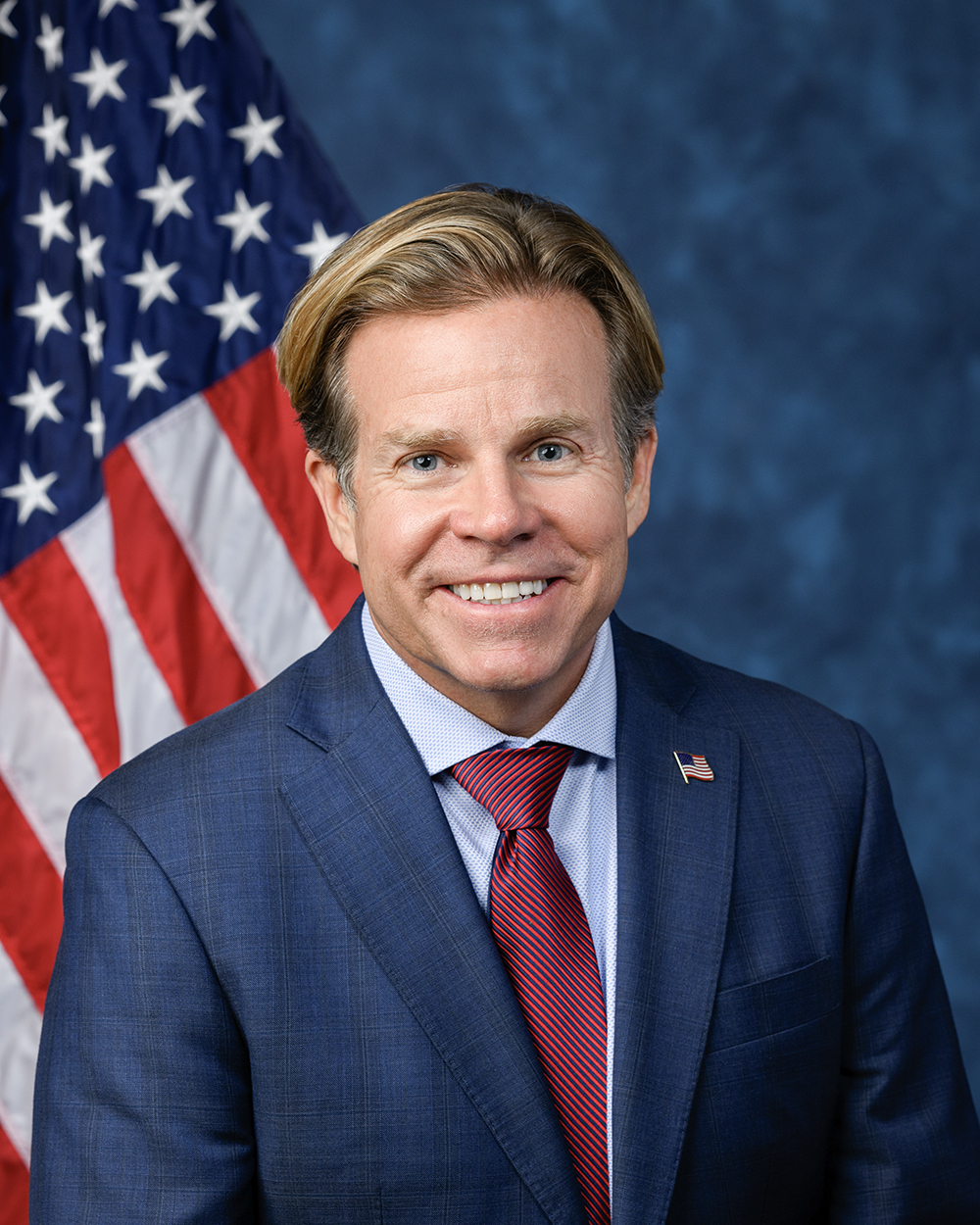
Rep. Mike Haridopolos
Sponsored bills
Maddy summaryThe SMART Kids Act directs the Surgeon General to create evidence-based guidelines on daily screen time limits for children across six specific age groups. To ensure objectivity, the Surgeon General must work with an independent expert panel that has no financial conflicts of interest before finalizing these recommendations. Once completed, the guidelines will be published online and submitted to Congress within one year of the law's enactment. This legislation does not impose new legal restrictions on families but instead establishes a federal process for generating health advice on device usage.
Maddy summaryThis resolution formally condemns the attempted assassination of President Donald J. Trump on April 25, 2026, as well as previous attempts in 2024, and recognizes the critical role of the Department of Homeland Security. The bill expresses gratitude to law enforcement officers who responded to the attack and affirms the Secret Service's responsibility for protecting the President. Additionally, it calls on Americans to unite against political violence and condemns those who incite attacks against public officials.
Maddy summaryThis bill modifies tax credit rules for nuclear power plants to allow them to claim investment credits without certain restrictions that currently apply to other energy facilities. Specifically, it removes a limitation that previously prevented public utility companies from claiming these credits for nuclear facilities and eliminates a rule that capped credits based on how quickly the project was completed. These changes would affect nuclear power generators and investors starting with taxable years beginning after December 31, 2026. The bill does not create new tax credits but adjusts existing ones to treat nuclear facilities more similarly to other qualified energy projects.
Maddy summaryThis bill modernizes housing assistance programs for Native American tribes and Native Hawaiians by streamlining environmental reviews, extending funding authorization through 2032, and expanding loan guarantee options. Key provisions include consolidating environmental review requirements to reduce paperwork for tribes, allowing 99-year leasehold interests on trust lands for housing, and creating new rental assistance specifically for homeless or at-risk Native American veterans. The legislation also clarifies rent rules, waives certain housing counseling certifications for tribal entities, exempts tribal housing projects from some federal civil rights and Buy America requirements, and establishes a direct loan guarantee process for tribal housing projects.
Maddy summaryThe MATCH Act requires U.S. agencies to align export controls on semiconductor manufacturing equipment with allied nations to prevent adversaries from accessing critical technology. It mandates a 150-day period for diplomatic efforts to secure countrywide denial policies from allied suppliers, after which U.S. jurisdiction would extend to equipment exported from countries not complying with these controls. The bill specifically targets semiconductor manufacturing equipment that the U.S. cannot currently produce in high volume and includes a list of Chinese companies deemed to warrant comprehensive restrictions. If allies fail to implement matching controls, the Act would allow the U.S. to regulate equipment exported from non-compliant allied countries and restrict servicing of restricted items at facilities in adversary nations. The legislation includes a sunset provision that expires five years after enactment, with annual reporting requirements to Congress on progress and compliance.
Maddy summaryThis bill, known as the Post-Disaster Protection Act, extends the time limit for appealing federal disaster assistance decisions from 60 to 90 days. It directly affects individuals and communities seeking aid after natural disasters by amending the Robert T. Stafford Disaster Relief and Emergency Assistance Act. The change provides applicants with additional time to contest decisions regarding their eligibility or the amount of assistance they receive. This adjustment aims to give affected parties more time to review and challenge assistance determinations without rushing the appeals process.
Maddy summaryThe Guidelines for Use, Access, and Responsible Disclosure of Financial Data Act strengthens privacy protections for consumers by amending the Gramm-Leach-Bliley Act to require financial institutions to limit data collection to what is necessary, provide clearer privacy notices, and offer new rights for customers to access or delete their personal information. Key provisions include requiring explicit opt-in consent for sensitive data like biometric information, restricting how third parties can use consumer login credentials, and mandating that institutions disclose how they use artificial intelligence in processing financial data. The bill also establishes a right for former customers to request deletion of their data within 45 days and requires regulators to consider the impact of rules on smaller financial institutions with $15 billion or less in assets.
Maddy summaryThis House Resolution recognizes the efforts and public safety contributions of linemen and the important role they play in maintaining the nation's energy infrastructure. It expresses support for designating April 18, 2026, as "National Lineman Appreciation Day" and acknowledges linemen as first responders.
Maddy summaryThis resolution recognizes the 205th anniversary of the War of Greek Independence and extends congratulations to the people of Greece. It highlights the shared democratic values between the United States and Greece, noting historical ties from the American Revolution to modern NATO cooperation. The bill also acknowledges the contributions of the Greek-American community and Greece's strategic role in the Eastern Mediterranean and Balkans. This is a ceremonial measure that does not create new laws or require funding, but rather expresses official appreciation for the historical and ongoing partnership between the two nations.