

Maddy summaryHR 2332, the SHARE Act of 2025, standardizes how states share criminal history background check information for professional licensing across state lines. It requires the FBI to provide this information to state licensing authorities through agreements with law enforcement, specifically for verifying applicants seeking licenses or practice privileges in multiple states. The bill strictly prohibits states from sharing detailed criminal history records with other states or the public, allowing only a simple "satisfactory" or "unsatisfactory" result to be shared. This directly affects licensed professionals (like nurses or contractors) seeking to practice in multiple states and the state agencies that issue their licenses.
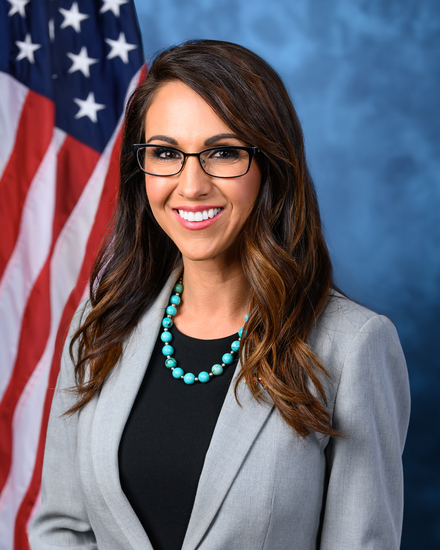
Rep. Lauren Boebert
Sponsored bills
Repealing Big Brother Overreach Act This bill repeals the Corporate Transparency Act. The act requires existing companies and newly created companies to report beneficial ownership information to the Department of the Treasury’s Financial Crimes Enforcement Network for purposes of addressing the financing of terrorism and money laundering.
Maddy summaryHR 1468 establishes a new "CCP Initiative" within the Department of Justice's National Security Division to counter threats from the Chinese Communist Party. The initiative specifically targets intellectual property theft, economic espionage, and unauthorized technology transfers by Chinese entities, focusing on protecting U.S. businesses, academic institutions, and critical infrastructure. Key mechanisms include developing enforcement strategies, prioritizing cases involving trade secret theft and hacking, and requiring annual congressional reports on progress, resource use, and economic impacts. The initiative is designed to operate separately from other DOJ programs and will expire six years after enactment.
Maddy summaryThis bill, known as the Stopping Harmful and Outrageous Torts Act, expands legal protections for firearm manufacturers and sellers by strengthening their immunity from civil lawsuits. It requires courts to immediately dismiss any pending cases against these companies that are based on the criminal or unlawful misuse of a gun by a third party, while also clarifying that sellers are not liable for negligence in entrusting products to others. The legislation further restricts who can file such suits by prohibiting foreign governments from bringing these claims and adding a specific exception for victims under the age of 17, though it maintains immunity for cases involving design or manufacturing defects. Additionally, the bill allows companies to move these cases to federal court and grants them the right to appeal dismissal orders immediately, along with the ability to recover legal fees if they win. Finally, it preempts state and local laws that attempt to impose liability on these entities for the same types of misuse-related harms.
This resolution condemns the actions of those seeking to defraud the U.S. government. The resolution also expresses the belief of the House of Representatives that (1) legislative and policy reforms to prevent fraud and improper payment will meaningfully improve the continued financial prosperity of the U.S. government and the American taxpayer, and (2) federal program eligibility and spending activities should be verified prior to payments being issued.
Maddy summaryThis bill, titled the Stop the SPLC Act of 2026, would remove the tax-exempt status of the Southern Poverty Law Center. By revoking its classification under section 501(c)(3) of the Internal Revenue Code, the legislation would require the organization to pay federal taxes on its income and benefits. The change applies to all taxable years occurring after the bill is enacted.
Maddy summaryThis resolution introduces articles of impeachment against U.S. District Court Judge Eleanor Louise Ross, targeting her for three specific allegations of misconduct. The first article charges her with engaging in an undisclosed extramarital affair with a law enforcement officer while on the job, which created a conflict of interest and violated judicial conduct codes. The second article accuses her of attending a partisan political event sponsored by a district attorney's campaign and admitting to drinking alcohol before presiding over a criminal case. The third article alleges that she knowingly made false statements to federal judges during an investigation into her behavior, thereby obstructing an official proceeding and violating federal law.
Maddy summaryThe Local Data for Better Conservation Act requires the federal government to include data collected by states when deciding whether to list or remove species from the endangered species list. This change directly impacts state agencies and conservationists who gather information about local wildlife populations. By mandating the integration of state-collected data, the bill aims to ensure that federal decisions are based on a more comprehensive set of regional observations. The legislation does not alter the overall process for listing species but modifies how evidence is considered during those determinations.
Maddy summaryThis bill, known as the Preventing International Surrogacy Exploitation Act, aims to stop foreign nationals from using U.S. surrogate mothers for commercial surrogacy arrangements. It would make any surrogacy contract void and unenforceable if the intended parents are foreign citizens or permanent residents, with a specific exception for married couples where at least one partner is a U.S. citizen or resident. Additionally, the law prohibits surrogacy brokers from facilitating these agreements and imposes criminal penalties, including fines and up to 10 years in prison, for those who knowingly or recklessly assist in such contracts. Children born through these invalid agreements would have their custody determined by the state where the surrogate lives, focusing on the child's best interests rather than the contract. Finally, the bill prevents foreign parents from using their U.S.-born children to gain immigration benefits or rights under U.S. immigration laws.
Maddy summaryThe Protecting Kids from Creeps Act prohibits surrogacy agencies, their employees, and sex offenders from participating in surrogacy agreements, directly affecting fertility clinics, staff, and individuals required to register as sex offenders. The bill mandates severe criminal penalties, including fines and prison sentences of at least 10 to 20 years, for knowingly or recklessly facilitating such agreements, while also stripping convicted agencies of their tax-exempt status and eligibility for federal grants. Any surrogacy agreement formed in violation of these rules is declared legally void and unenforceable, meaning it cannot be used to establish parental rights. In cases where a child is born from an illegal agreement, custody decisions will be made solely based on the best interests of the child under the laws of the state where the surrogate lives, ignoring any prior contracts. Additionally, the Attorney General can pursue civil penalties equal to the compensation received or offered for prohibited conduct.