

Maddy summaryThe Protecting First Responders from Secondary Exposure Act of 2025 requires federal funding to provide training and containment devices for first responders, specifically to prevent exposure to fentanyl and other dangerous substances during emergencies. This bill directly affects police, firefighters, and emergency medical personnel who face accidental exposure risks while responding to drug-related incidents. The key provision amends existing federal law to mandate both training resources and the purchase of specialized containment equipment for first responder use. The policy change aims to reduce health risks from secondary exposure without altering drug enforcement or criminal law.
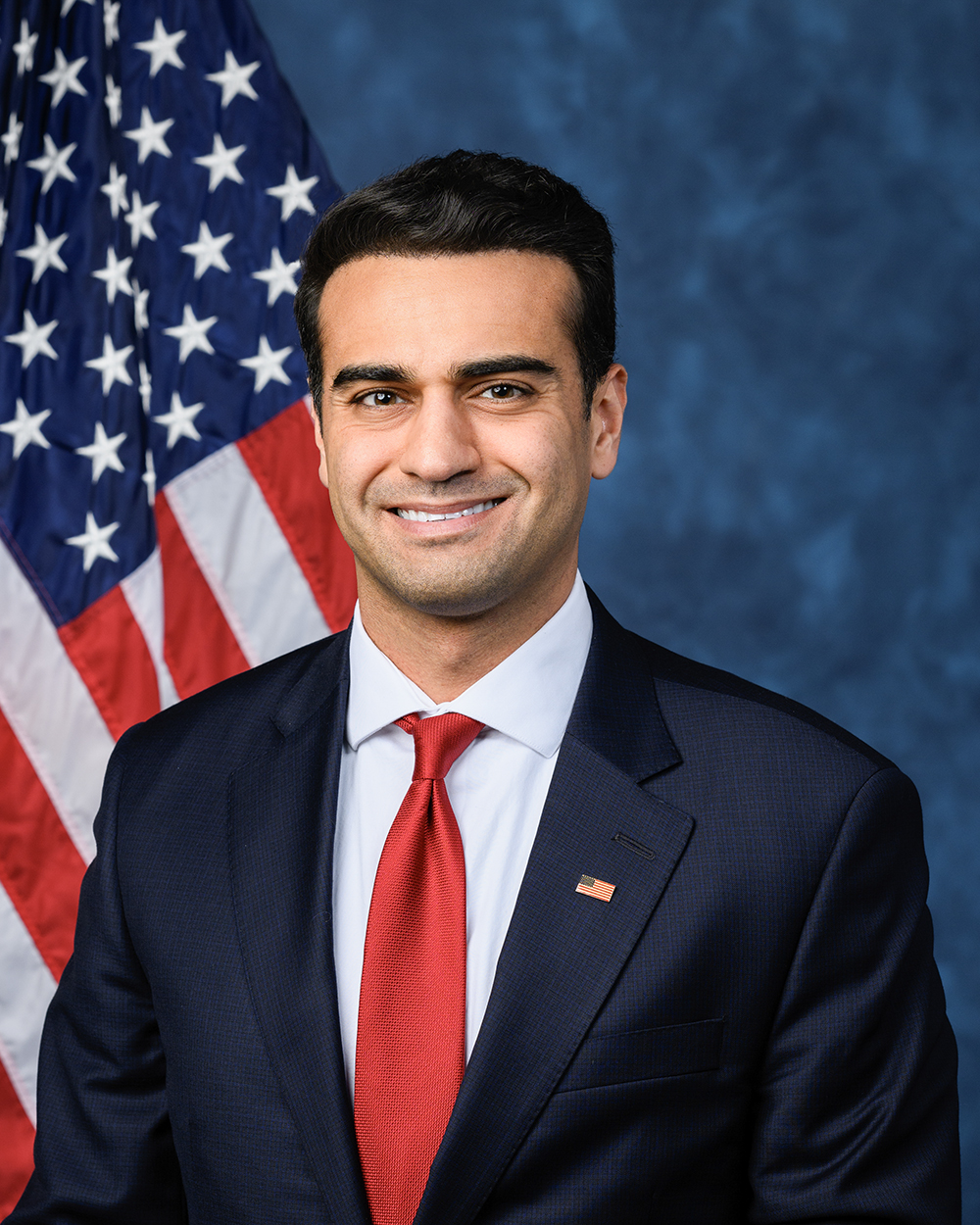
Rep. Abraham J. Hamadeh
Sponsored bills
Maddy summaryHR 584, the "No Medicaid for Illegal Immigrants Act of 2025," would amend the Social Security Act to prohibit states from providing Medicaid coverage to non-citizens who are not lawfully admitted for permanent residence or permanently residing in the U.S. under legal status. This bill directly affects undocumented immigrants who currently qualify for Medicaid in some states. The key provision inserts a new requirement that states cannot offer Medicaid benefits (except for specific emergency care) to these individuals under any state Medicaid plan or waiver. The change would prevent federal Medicaid funding from being used for this group, effectively eliminating their eligibility.
Maddy summaryHR 578, "Sarah’s Law," requires mandatory detention for certain non-citizens (aliens) charged with crimes resulting in death or serious bodily injury. It directly affects non-citizens facing such charges and their victims' families. Key provisions mandate that the Department of Homeland Security detain these individuals immediately and notify victims or their closest living relatives (like parents or spouses) about the alien’s identity, immigration status, custody details, and removal efforts. The bill adds specific categories of non-citizens to the mandatory detention list, including those whose visas were revoked or who are deportable for prior immigration violations. This creates a formal process for victim notification while expanding detention requirements under immigration law.
Maddy summaryHR 563 requires the Bureau of Alcohol, Tobacco, Firearms and Explosives (ATF) to destroy all firearm transaction records from discontinued businesses within 90 days of the law's enactment. It also amends a federal law to prevent future registration of such transactions by removing language that required these records to be delivered to the Attorney General. The bill mandates that the ATF submit a report to Congress detailing how many records were destroyed. This legislation directly affects ATF record-keeping procedures, not individual gun owners or firearm ownership rights.
Maddy summaryThis bill amends U.S. immigration law to deny entry to noncitizens convicted of or admitting to certain violent crimes, and to make them deportable. It directly affects noncitizens who have been convicted of or admitted to sex offenses, domestic violence, stalking, child abuse/neglect, or violating protection orders involving threats of violence. Key provisions add these offenses as grounds for denying entry (inadmissibility) under Section 212(a)(2) and as grounds for deportation (deportability) under Section 237(a)(2). The law specifies that domestic violence and protection order violations are included regardless of whether the jurisdiction received specific federal grant funding.
Maddy summaryThis bill creates a new tax deduction for cash tips received by workers in specific service occupations that traditionally accepted tips before 2024 (like servers, barbers, and beauticians). It allows a deduction of up to $25,000 per year for qualified tips included on employer statements, but excludes employees who earned over a certain threshold ($220,000 in 2023) from the same employer the previous year. The deduction applies to taxable years beginning after December 2024 and is designed to reduce taxable income for eligible workers. It directly affects service industry workers in qualifying tip-dependent jobs who receive cash tips, not the general public.
Maddy summaryHR 551, the "Make the Migrant Protection Protocols Mandatory Act of 2025," would require U.S. border officials to apply the Migrant Protection Protocols (MPP) to all eligible asylum seekers at the southern border, rather than allowing discretion. The bill amends the Immigration and Nationality Act to change the language from "may" to "shall" in Section 235(b)(2)(C), meaning officials must send asylum seekers back to Mexico to await their immigration hearings. This directly affects asylum seekers who would no longer have the option of remaining in the U.S. during processing. The key mechanism is a technical legal change to make the existing MPP policy mandatory for all applicable cases.
Maddy summaryHR 511 (AMERICANS Act) prevents the military from imposing new COVID-19 vaccine mandates without explicit congressional approval. It prohibits adverse actions like discharge or rank reduction against service members who refuse the vaccine based on personal reasons, and requires the military to reinstate separated members to their prior rank with back pay, expunge related records, and retain unvaccinated personnel equally. The bill also eliminates bonus repayment obligations for members separated over vaccine refusal and mandates equal professional development opportunities for unvaccinated service members. It directly affects military personnel impacted by prior vaccine mandates, focusing on policy changes rather than future outcomes.
Maddy summaryThis resolution amends House rules to exclude certain staff from security clearance limits. Specifically, it removes from the count of staff who can hold security clearances (processed by the House Security Office) any employee of a Member's office who is also an active-duty armed forces member with a Department of Defense security clearance. This applies only to staff in offices of Members serving on seven key committees, including Armed Services, Intelligence, and Homeland Security. The change ensures such employees' existing DoD clearances won't count against their office's clearance allotment, and their clearance level cannot exceed their current DoD clearance or the office's maximum allowed level.
Maddy summaryHR 404, the "Hearing Protection Act," reclassifies firearm silencers (devices that reduce gunfire noise) as firearms for federal tax and regulatory purposes. It imposes a 10% federal tax on silencers, requires the destruction of all existing federal silencer registration records within one year, and preempts state laws that tax or regulate silencers. The bill clarifies that silencers are treated as firearms under federal law, including for licensing and marking requirements, and defines "firearm silencer" to include specific components. Note: The bill’s title is misleading - it addresses firearm silencer regulation, not hearing protection for people.