

Maddy summaryThis bill would prohibit the FDA from approving new abortion medications or investigational uses of existing ones. It would restrict currently approved abortion drugs to in-person administration only in clinics, hospitals, or medical offices by certified providers who can handle complications like ectopic pregnancy or severe bleeding. The law requires detailed adverse event reporting (excluding patient identifiers) to the FDA by both manufacturers and prescribers, and mandates provider certification covering pregnancy assessment, surgical intervention capabilities, and patient safety documentation. These provisions apply directly to healthcare providers, patients seeking medication abortions, and manufacturers of abortion drugs.
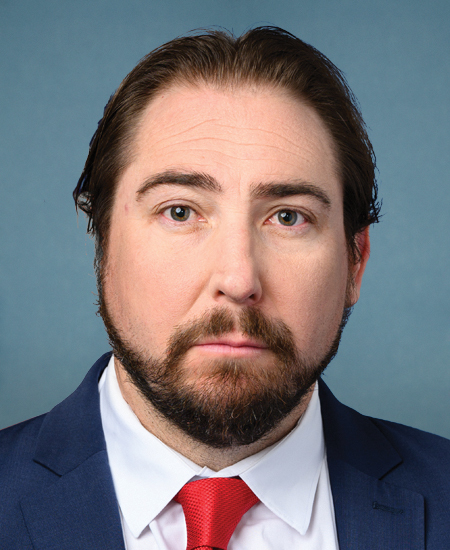
Rep. Elijah Crane
Sponsored bills
No Tax Dollars for the United Nation's Immigration Invasion Act This bill prohibits the federal government from making contributions to the United Nations (U.N.) International Organization for Migration, the U.N. High Commissioner for Refugees, or the U.N. Relief and Works Agency for Palestine Refugees in the Near East. The bill also requires the Government Accountability Office to report to Congress on federal funds provided to these U.N. agencies, including the amounts provided during FY2021 and FY2022 and any restrictions attached to such funding.
Maddy summaryThis bill strengthens protections for U.S. investors in foreign countries by amending the Foreign Assistance Act. It requires foreign governments to consult with U.S. investors under investment treaties (like those in the DR-CAFTA agreement) within 30 days of a written request. Investors can now petition a U.S. commission for an advisory report on treatment of their investment, and if the commission delays, they may seek court action to suspend U.S. aid to that country. Foreign officials who harm U.S. investments face denied U.S. visas, entry, and blocked financial transactions in the U.S. until the harm is resolved. The bill directly affects U.S. investors, foreign governments, and their officials involved in investment disputes.
Maddy summaryHR 175, the Heartbeat Protection Act of 2023, prohibits physicians from performing abortions without first checking for a detectable fetal heartbeat using standard medical practice and informing the patient of the results. It allows exceptions only for abortions necessary to save a mother’s life due to physical conditions (not psychological ones), or for pregnancies resulting from rape or incest against an adult or minor, which require specific documentation like counseling records or police reports. Physicians violating the law face up to five years in prison, while patients cannot be prosecuted. The bill defines "unborn child" as beginning at fertilization and mandates detailed medical documentation for all exceptions. It explicitly excludes psychological conditions from life-threatening exceptions and requires physicians to retain records per federal health privacy rules.
This resolution declares that every state within the United States has the sovereign right to exclude any person who does not have the right to be there. It also declares that the states along the southern border (1) are being invaded by terrorists, narco-terrorist cartels, and criminal actors; and (2) have the sovereign and unilateral authority to defend themselves against such an invasion.
This resolution expresses support for women nationwide to have access to comprehensive, convenient, compassionate, life-affirming, and high-quality health care.
Maddy summaryThis bill blocks federal funding for colleges that operate or partner with campus health clinics providing abortion drugs or abortions to students or staff. It requires institutions receiving federal funds to annually certify that no such services are offered at their on-campus clinics. The law specifically excludes hospital-based clinics from coverage and defines "abortion drugs" as medications intended to terminate pregnancy (excluding specific medical exceptions). It directly affects public and private colleges receiving federal aid, as most institutions of higher education qualify for such funding.
Life at Conception Act This bill declares that the right to life guaranteed by the Constitution is vested in each human being at all stages of life, including the moment of fertilization, cloning, or other moment at which an individual comes into being. Nothing in this bill shall be construed to authorize the prosecution of any woman for the death of her unborn child.
Maddy summaryHR 345, the TRUST in Congress Act, requires Members of Congress, their spouses, and dependent children to place certain investments into a "blind trust" within 90 days of taking office or after the bill's enactment. It directly affects current and future lawmakers and their immediate family members by mandating that covered investments - such as stocks, commodities, or derivatives (excluding Treasury bonds and some mutual funds) - be placed in a trust they cannot manage. Members must certify the trust setup to House or Senate officials within 15 days, and trusts cannot be dissolved until 180 days after leaving office. The law excludes investments providing primary income (e.g., from a spouse's job) but requires transparency through public website disclosures of certifications.
No Taxpayer Funding for the World Health Organization Act This bill prohibits the United States from providing any assessed or voluntary contributions to the World Health Organization.