

This Act authorizes a pharmacist or pharmacy to decline to dispense a prescription drug or provide a pharmacy service to an “insured” if the amount reimbursed by an entity subject to the Act is less than the pharmacy acquisition cost. This Act also prohibits a pharmacy benefits manager from reimbursing a pharmacist or pharmacy for a prescription drug or pharmacy service in an amount less than the pharmacy benefits manager reimburses itself or an affiliate for the same prescription drug or pharmacy service.
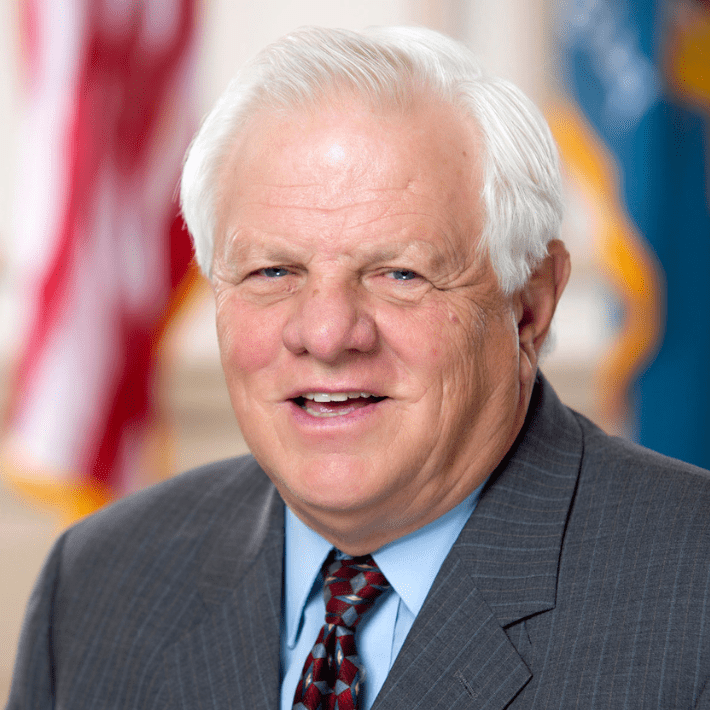
Sen. Gerald Hocker
Sponsored bills
This bill creates the Grants-In-Aid Committee. The Committee is a joint committee of the Senate and House of Representatives. The purpose of the Committee is to view requests for grants-in-aid and to develop the grants-in-aid appropriations bill.
This joint resolution is designed to establish a task force to study and make findings concerning the recruitment and retention of volunteer firefighters.
This Act will allow facilities in Sussex County to sell gasoline that does not contain ethanol provided such fuel is for vessels. Sussex County comfortably meets the National Ambient Air Quality Standard for ground level ozone, and removing ethanol from marine fuel will have no significant impact on ambient ozone levels. The State of Maryland now allows the sale of non-ethanol gasoline in certain counties that are adjacent to Sussex County. Delaware currently suffers a competitive business disadvantage by not being allowed to sell non-ethanol fuel for vessels.
In 2009, New Hampshire was the first state to develop a statewide “Gun Shop Project,” reaching out to gun shops regarding the role they can play in suicide prevention. In the years since, at least 21 other states have implemented similar campaigns. This Act establishes the Delaware Gun Shop Project (“Project”), under which the Division of Substance Abuse and Mental Health (“Division”) must develop relevant materials that may be posted conspicuously and available for distribution at Delaware gun shops. This Act requires the Division to promulgate regulations that establish and govern a mechanism to track participation in and efficacy of the Project, and authorizes the Division to promulgate other regulations, such as how the training will be offered and taken, as needed.
In order to promote the development of pyrolysis and gasification facilities in Delaware and realize environmental benefits, this Act creates a classification of post-use polymers and other recoverable feedstocks and acknowledges their distinction from solid waste.
This resolution honors USO Delaware for their important and inspiring work supporting military members and their families.
This Resolution recognizes the young men participating in the 2019 session of Delaware's Boys State and commends its sponsor, the American Legion Department of Delaware.
This Act, named the Share the Care Act, permits an individual employed by a personal assistance services agency to administer medications to an adult individual who resides in the individual’s own home if a responsible caregiver does the following: 1. Authorizes the direct care worker to do so. 2. Prepackages the medication by date and time. 3. Provides written instructions regarding the administration procedure. 4. Enters into an agreement with a personal assistance services agency governing the administration of the medication by the direct care worker.
This Act is intended to promote, maintain, and bolster the public’s confidence in the integrity of State government, particularly as it relates to the employment of former members of the General Assembly within State government. This Act achieves this goal by prohibiting a former member of the General Assembly from being appointed to or employed in a position in a State agency for 1 year after the former member’s final term of office if either of the following applies: (1) The position was created during the former member’s final term of office. (2) The compensation for the position was increased, other than by an appropriation by the General Assembly that applies to all similarly situated State employees, during the former member’s term of office and the former member did not hold the position during the former member’s term of office. Existing law provides that a former member who knowingly or wilfully violates this Act is guilty of a misdemeanor and may be punished by imprisonment of not more than 1 year and by a fine not to exceed $10,000.