

This Act makes updates to the Joint Legislative Oversight and Sunset Act (“JLOSC Act”) to meet modern-day needs and practices. First, this Act defines “highest administrative officer” to clarify that the executive branch, cabinet-level officer of an entity under review must be present at public hearings under the JLOSC Act. Other states have an equal mix of requiring the presence of the cabinet-level official, requiring the presence of the division-level leader, or not clarifying which of the 2 positions must be present. This Act contemplates circumstances under which a person other than the cabinet-level officer may be more appropriate to appear at JLOSC hearings, and therefore authorizes the officer, with the JLOSC Chair’s approval, to appoint a designee to meet the officer’s obligations, or the JLOSC Committee to designate a person other than the officer. This Act also makes changes to specific deadlines that are out-of-step with JLOSC’s practices and needs. In doing so, this Act also clarifies language regarding JLOSC staffs’ duties and requirements for the JLOSC’s draft report. Finally, this Act makes technical changes to conform existing law to the standards of the Delaware Legislative Drafting Manual.
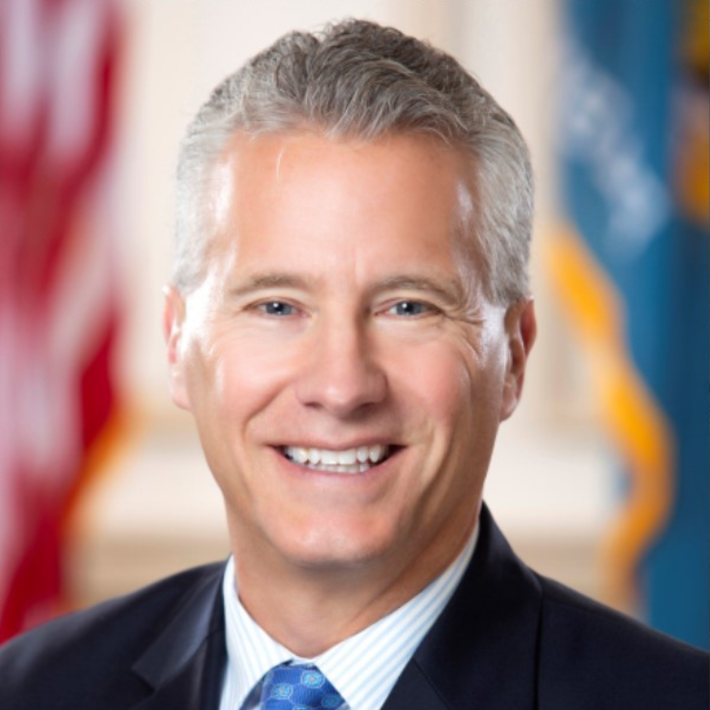
Rep. Lyndon Yearick
Sponsored bills
This bill makes modification to the New Economy Jobs Credit allowing qualified employers to pro-rate their job creation activity in the first certified year, ensuring the indexation of the salary threshold is conducted prior to the calendar year to assist with business planning and establishing an incentive to qualified employers to maintain their employment thresholds.
Delaware is currently ranked highest in the nation for form filing fees. This Act ensures that Delaware stays competitive as an insurer domicile by preventing the Insurance Commissioner from charging more than $2000 per filing for form filing fees.
This bill changes the earned income tax credit from nonrefundable to refundable. For tax year 2020 and thereafter, the rate of the credit is in the amount of 5.9 %.
This Act disqualifies an individual who obtained an overpayment of benefits through fraud from receiving future unemployment benefits until the total overpayment, penalties, and interest are repaid in full. This change does not apply to fraud overpayments established by final decision before the effective date of this Act. This Act also broadens the manner in which a notice of overpayment may be delivered and removes the 5 year deadline for filing actions to collect overpayments due to the Department. This Act takes effect 60 days after its enactment into law. This Act also makes technical corrections to conform existing law to the standards of the Delaware Legislative Drafting Manual.
This Act allows the Department of Labor ("Department") to deliver notice by methods other than through mail to reduce costs by using e-mail delivery for certain notices and makes technical corrections to conform existing law to the standards of the Delaware Legislative Drafting Manual.
This resolution celebrates the landmark 40th anniversary of the enactment of the Taiwan Relations Act, supports Taiwan’s signing of a Bilateral Trade Agreement with the United States, reaffirms support for Taiwan’s meaningful participation and contribution in international organizations, and reaffirms support for strengthening and expanding sister-state ties between the State of Delaware and Taiwan.
This Concurrent Resolution recognizes September 2019 as "Prostate Cancer Awareness Month" in the State of Delaware
This resolution urges the Director of the Delaware Division of Public Health to designate Alzheimer's Disease and other dementias as public health issues.
This Act amends the Delaware Governmental Accountability Act to make the annual budget process part of a performance management system of strategic planning, performance metrics and performance budgeting, dedicated to continuous process improvement that makes government more efficient, reduces costs and eliminates waste in the process and operations that deliver goods and services to taxpayers, customers and employees of State government.