This Act clarifies that elected officials may not be prevented from engaging in constituent relations and that candidates for public office or staff or volunteers may not be prevented from engaging in election-related or similar activities in residential communities.
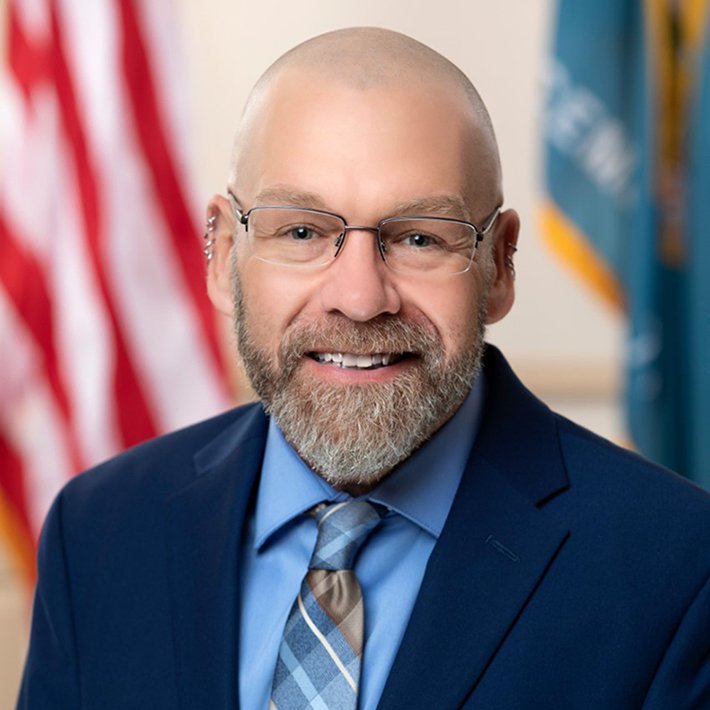
Rep. Eric Morrison
Sponsored bills
This Act is the Bill of Rights for Individuals Experiencing Homelessness to ensure that all individuals, regardless of housing status, have equal opportunity to live in decent, safe, sanitary, and healthful accommodations and enjoy equality of opportunities. To that end, this Act sets forth the rights of individuals experiencing homelessness and creates a process by which the State Human and Civil Rights Commission and the Division of Human and Civil Rights may accept and investigate complaints of discriminatory treatment, attempt conciliation, and refer enforcement actions to the Department of Justice where necessary. This Substitute differs from the original House Bill No. 55 in that it expands the definition of “individuals experiencing homelessness” to include those who may be staying with different friends or family without a permanent home and it eliminates a reference to voting rights, since such rights are addressed elsewhere in the Code.
This Resolution recognizes the pertinent work of social workers throughout Delaware and the entire country, encourages the creation and expansion of Social Work programs, and recognizes March 2024 as Social Work Month in the State of Delaware.
This Senate Concurrent Resolution recognizes March 2024, as "Kidney Month" in Delaware.
This House Concurrent Resolution recognizes the month of April 2024 as “National Fair Housing Month” in the State of Delaware.
This Concurrent Resolution recognizes The Delaware Municipal Electric Corporation, known as “DEMEC,” and community-owned, not-for-profit electric utilities throughout Delaware for their dedication to serving communities with programs that save energy and money, and with renewable projects that lower emissions to benefit the environment. This Resolution also celebrates DEMEC’s upcoming 45th anniversary and over 100 years of reliable and safe electric service from Delaware’s local public power utilities by proclaiming March 27, 2024, as "DEMEC Day."
This Concurrent Resolution designates March 27, 2024 as Medical Misdiagnosis Day in Delaware.
This resolution recognizes the week of April 7 - 13, 2024 as Delaware Saves Week.
This Concurrent Resolution designates March 26, 2024, as "Epilepsy Awareness Day" in Delaware and calls upon State agencies and the people of Delaware to undertake suitable efforts to increase epilepsy awareness.
This Act does all of the following: Requires a conviction before forfeiture. (plea of guilty or no contest, conviction, or dismissal because of completion of a diversion program all count) Puts the burden on the state to prove all facts by clear and convincing evidence. Requires the state to prove by clear and convincing evidence that a non-defendant owner knew about or consented to the unlawful activity before the property may be forfeit. Strikes the presumption that cash with trace amount of drugs on it is presumed to be drug proceeds. Strikes the presumption that money that is in proximity to controlled substances is drug proceeds. The state can still forfeit money if they have other evidence or circumstances that show it is drug proceeds. Prohibits the use of the civil asset forfeiture proceeding for cash in any amount less that $1,000. Changes the process so there is always a hearing before forfeiture. Under current law, there is only a hearing if an owner affirmatively requests one be held. Requires the court to conduct a proportionality analysis prior to ordering a forfeiture – i.e., is the value of the property sought to be forfeit in line with the gravity of the crime. Requires the State to pay reasonable attorney fees to a prevailing party in a forfeiture proceeding. Directs forfeiture proceeds into the General Fund, rather than SLEAF to eliminate the perception that law enforcement might pursue a forfeiture for personal gain. Retains SLEAF and the process of application and distribution, but only where the General Assembly funds it in the regular appropriations process. Makes changes to Title 11 provisions relating to vehicle forfeitures to align with the Title 16 process and the same new procedural protections. Prohibits directing seized property to federal agencies for forfeiture and equitable sharing except for currency in excess of $100,000. Requires the Attorney General to annualy compile and publish a report regarding the number and type of forfeiture cases, case outcomes, and demographic data on persons whose property is seized pursuant to civil forfeiture laws. Directs the Office of Defense Services to provide representation in forfeiture proceedings to a defendant they represent in a related criminal matter.