This bill defines and regulates electric bicycles. Section 1 adds electric bicycles to the definitions contained in Title 21. Section 2 includes electric bicycle operators and passengers as vulnerable users when on a highway, crosswalk, road shoulder or sidewalk and prescribes rights and responsibilities attendant to the operation of electric bicycles. Section 3 adds electric bicycles to the definition of vehicle.
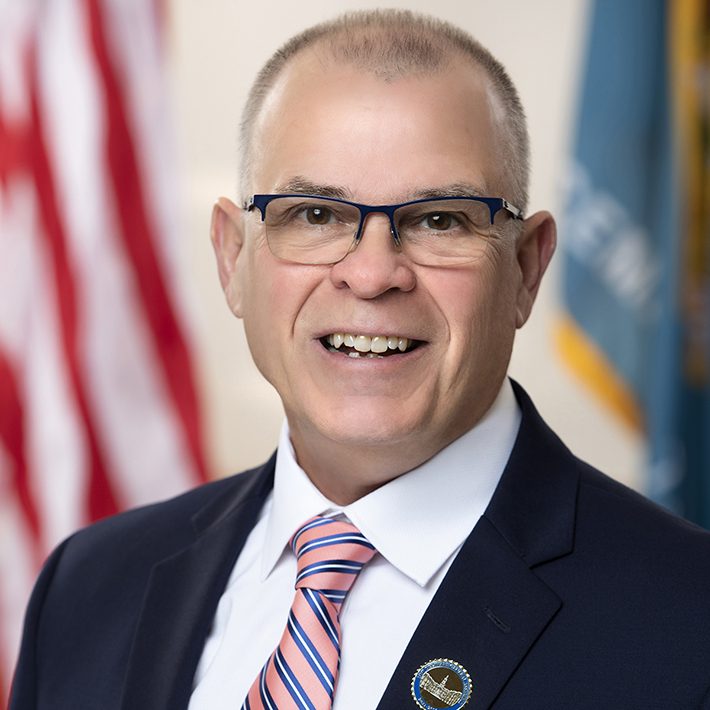
Rep. Ed Osienski
Sponsored bills
This bill provides a mechanism to grant pension increases to retired State Employees, retired Judges, and retired “New” State police. This bill dedicates a minimum of 2.33% of payroll to be deposited annually to the Post Retirement Fund. This bill also provides for a pension increase as determined by the Board of Pension Trustees.
This Act requires the Department of Education to conduct an annual workforce study of early childhood professionals to support the development of a plan and implementation of a system of supports to grow and deepen the early childhood workforce. The first study is due by November 15, 2022, the plan by January 31, 2023, and implementation of the system should be in place by September 1, 2023. The COVID pandemic revealed and heightened an existing difficulty in attracting and maintaining well qualified professionals in child care jobs, which are frequently low-paying compared to K-12 jobs. Since reliable, widely available, high quality child care options are a foundation for the whole workforce, and because the early childhood years are so important to childhood development and school readiness, it is a priority for the State that this crisis be addressed in a systematic, holistic fashion. The Department of Education is tasked with leading this rethinking and prioritization of early childhood careers – through the development of reliable data systems which can help bring living wages, financial and other support for academic and credential attainment, and coordination with CTE programs and institutions of higher education to uplift the profession and support individuals seeking to make a career in early childhood education.

This Act amends Delaware’s Whistleblower Protection Act to preclude an employer from reporting or threatening to report an employee’s citizenship or immigration status or a family members citizenship or immigration status to a federal, state, or local agency, in response to the employee engaging in a protected activity under Delaware’s Whistleblower Act.
Delaware’s Motor Vehicle Statutes contemplate for vehicle obstructing traffic enforcement by law enforcement agencies. It is not always possible for law enforcement officers to enforce the right-of-way regulations in areas effectively due to a number of considerations, including officer availability and safety. This bill would enable the state and municipal authorities to enforce right-of-way regulations in identified areas more effectively. This bill only imposes civil penalties for violations and does not impose points on an individual’s driver’s license.
This Act would add designation that the holder is a veteran to the Delaware Driver License or Identification Card upon request. Adding designation that the holder is a veteran to a Driver License or Identification Card would eliminate the need for a veteran to carry a separate card or official discharge forms in order to prove their service.
This bill permits health-care providers who are licensed in a state other than Delaware to deliver health-care services by telehealth and telemedicine only if a health-care provider-patient relationship has been established in accordance with § 6003 of Title 24.
This bill creates a special license plate for Combat Veterans.
This Act renames the Claymont Regional Transportation at First State Crossing in Claymont, Delaware as the "Harris B. McDowell, III Transportation Center" after Senator Harris B. McDowell, III, the longest serving member of the Delaware General Assembly.
Presently there is no licensure mechanism in place in Delaware for elevator mechanics. This Act creates a new chapter in Title 24 and establishes a regulatory State Board of Elevator Mechanics consisting of 5 members appointed by the Governor including 1 public member, 1 member representing the elevator industry,1 member primarily engaged in elevator repair or maintenance, 1 representing elevator inspection, consulting or engineering firms, and 1 representing a labor organization for elevator mechanics and apprentices. The Board has the responsibility of formulating rules and regulations consistent with the APA under Title 29. The Board, under its rules and regulations, will establish standards for licensure, as a master elevator mechanic and journeyman elevator mechanic and continuing education requirements. The Act sets forth grounds for discipline including suspension and revocation of a license. A finding that an individual has been found guilty of performing elevator mechanical work without a license, or under false pretense of being licensed, is a misdemeanor subject to monetary fines by the justice of the Peace court. There is a grandfather exception for individuals that have master electrical special elevator licenses at the time of enactment. The implementation date is the earlier of 6 months after enactment or when the Registrar of Regulations has been provided notice that rules and regulations have been promulgated.