

This Act proposes to limit the Governor’s abilities during a State of Emergency in regard to the Delaware Freedom of Information Act, exempting it from Title 20, Chapter 31. This Act also ensures that the reasons outlined in Title 29, §10003 for the public body requesting an extension to a FOIA request is an exhaustive list. This Act also adds Title 29, Chapter §10008, which states that the Governor may not suspend FOIA during a state of emergency without a showing that FOIA prevents, hinders, or delays the State’s necessary actions in coping with the crisis at hand.
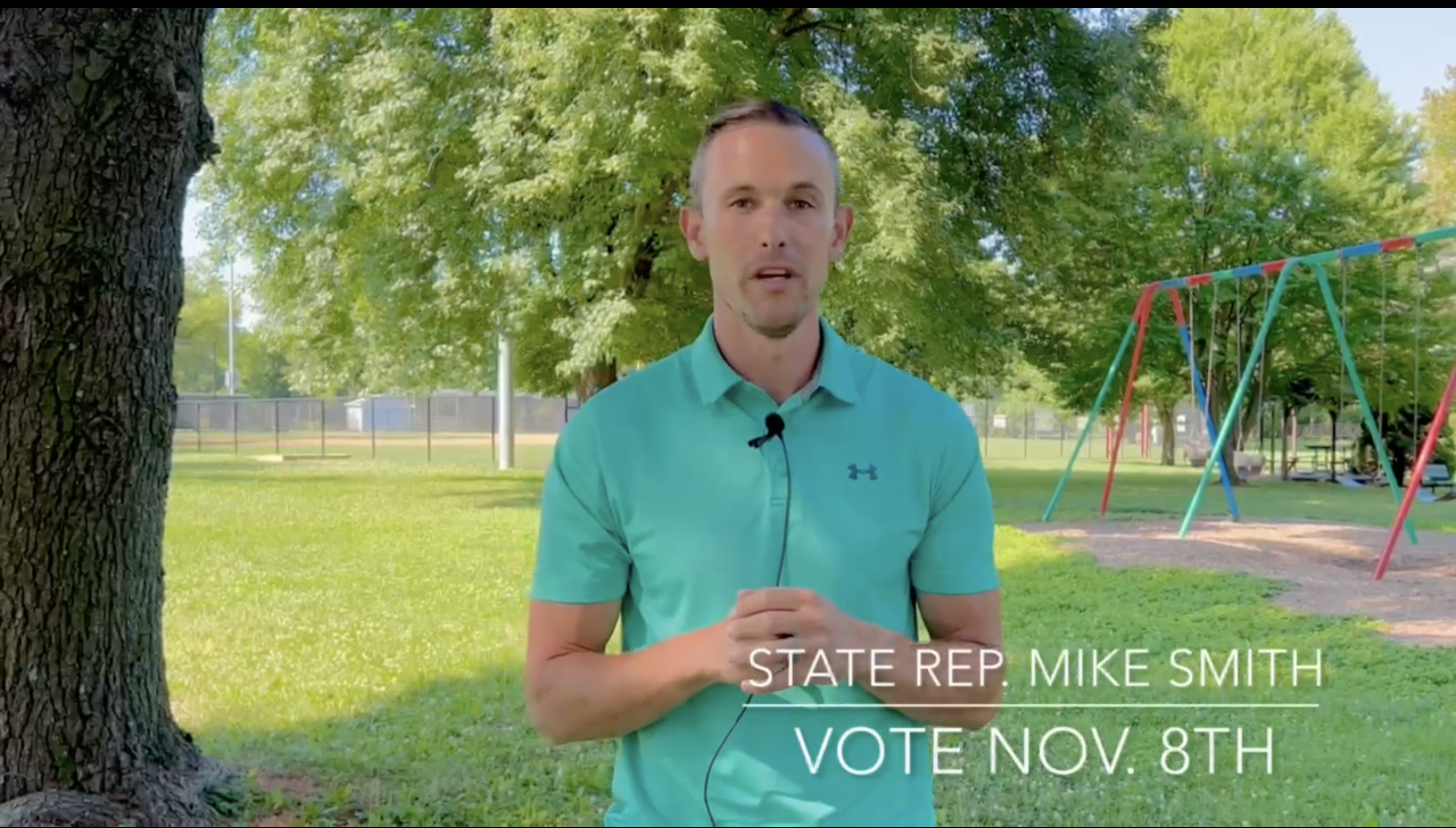
Rep. Mike Smith
Sponsored bills
This Act specifies the duty of election officers to establish the identity of a voter by requesting explicit forms of identification. Any citizen presenting themselves as a voter at a polling place, but who is unable to provide an acceptable form of identification, or whose eligibility to vote cannot be determined, may cast a provisional ballot. The number of provisional ballots initially available at each polling place is tripled under this Act. Provisional ballots will be processed under existing state law, as modified by this Act, allowing state election officials to determine the validity of the ballot by matching the data provided by the voter against the state’s voter records. This measure will maintain a citizen’s right to vote, while establishing clear procedures for ensuring the integrity of the voting process and facilitating greater public trust in election results.
This Act codifies what valid forms of identification are to be included with the statement an elector must prepare to request an absentee ballot. It also allows for an elector submitting the statement by mail to include a clear photocopy of one of the valid identification forms with the statement. This Act also calls for the Department of Elections to make an additional attempt to verify the elector’s identity if such identification is not included with the statement. If the elector does not provide the verifying information, the Department of Elections will not provide an absentee ballot to the elector.
This Act makes fraudulent voting a class G felony level crime, with a fine of not less than $1,000 for a first offense or not less than $2,000 for a subsequent offense. Upon conviction, the person shall forfeit their right of suffrage for 5 years. Fraudulent voting includes voting, or attempting to vote, more than once; falsely impersonating another and voting or attempting to vote in the name of such person; or voting or attempting to vote in the name of another person, whether living or dead.
This Act reduces risks to the environment and public health by doing all of the following: 1. Prohibiting the sale of containers, food service products, or packing material made of expanded polystyrene. 2. Prohibiting food establishments and public schools from providing ready-to-eat food and beverages in expanded polystyrene containers. 3. Limiting the use of single-service plastic items in food establishments. This Act allows restaurants to provide plastic straws at the request of a customer and does not apply to containers where the expanded polystyrene is wholly encased in more durable material. The term “food” includes beverages, under the Delaware Food Code. In addition, this Act encourages food establishments not to use or sell food that is pre-packaged in expanded polystyrene containers. This Act takes effect beginning July 1, 2022, except for public schools, for which it takes effect beginning with the 2022 – 2023 school year.
This Resolution requires the Department of Elections to review practices in Delaware and other states and make recommendations relating to verifying signatures on absentee ballots.
This Concurrent Resolution urges the President of the United States to designate a State Funeral at the time appropriate for the final Medal of Honor recipient from World War II.
This Concurrent Resolution designates the week of May 10, 2021 to May 16, 2021 as “National Charter Schools Week” and commends Delaware's charter public schools for their efforts in educating Delaware students.
This Act makes it an unlawful employment practice for an employer to discriminate against any individual because of their political affiliation or political belief.
This Act increases by one the number of licenses for the sale of alcoholic liquor an individual or entity may have an interest in, from two to three.