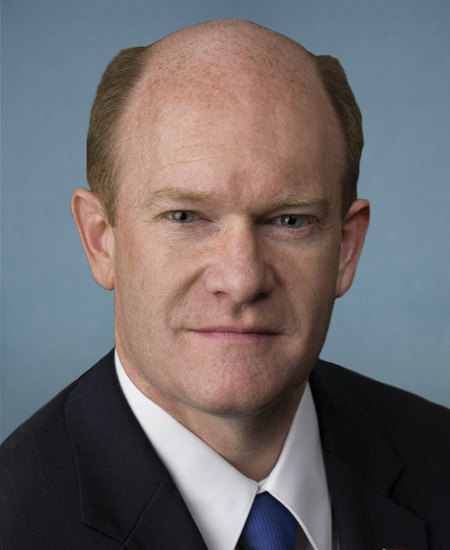
Key legislators
Who's moving education in Delaware
Showing 5 of 5
bills
All education bills
The Keep Public Funds in Public Schools Act of 2026 eliminates a federal tax credit that allowed parents to deduct contributions to scholarship granting organizations from their income. By removing these specific tax breaks, the bill prevents the use of public tax dollars to support private school vouchers and scholarship programs. This change directly affects families who currently rely on these tax incentives to fund education outside the public school system. The provisions take effect for taxable years beginning after December 31, 2026.
This bill, titled the "Keep Public Funds in Public Schools Act," repeals two sections of the Internal Revenue Code. It eliminates Section 25F, which provides a tax credit for contributions made to scholarship granting organizations. Additionally, the bill repeals Section 139K, which allows certain educational assistance to be excluded from an individual's gross income. These changes primarily affect taxpayers who currently claim these credits or exclusions, and organizations involved in scholarship grants or providing educational assistance. The amendments generally take effect for taxable years ending after December 31, 2026.
This joint resolution seeks to reject a specific rule issued by the Department of Education concerning the William D. Ford Federal Direct Loan Program. If passed, it would nullify the rule and prevent it from taking effect, directly impacting federal student loan policies. The measure uses a congressional disapproval process under Title 5 of the United States Code to override the department's regulatory decision. It does not create new policies but instead stops an existing proposed regulation from being implemented.
This bill seeks to block a specific rule issued by the Department of Education that affects the William D. Ford Federal Direct Loan Program. If passed, it would prevent the rule from taking effect, meaning the proposed changes to federal student loans would not be implemented. The measure uses a legislative process known as a joint resolution of disapproval to override agency regulations. It directly impacts students, families, and institutions that rely on federal student loans by stopping the Department of Education from enforcing the new policy.
HR 6002, the Veterans Earned Education Act, amends eligibility rules for transferring Post-9/11 GI Bill educational benefits to dependents. It requires veterans to have completed at least 17 years of service (up from 6 years) and be retired under Chapter 61 of Title 10 to qualify for transferring benefits. The bill directly affects active-duty and retired veterans seeking to share their education benefits with family members. These changes tighten the service requirements for beneficiaries who wish to transfer their benefits, without altering the core education benefits themselves.