

Maddy summaryThis bill requires Medicare Advantage and prescription drug plans to reimburse the Department of Veterans Affairs (VA) for health care services provided to veterans enrolled in those plans, including outpatient care, prescription drugs, and inpatient services. It establishes a new process for the VA to recover costs from Medicare plans, requiring these plans to respond to reimbursement claims within 45 days and face penalties for non-compliance, including triple damages for willful violations. The law modifies existing VA authority to recover costs for non-service-connected disabilities by clarifying recovery procedures and requiring Medicare plans to coordinate benefits with VA care. The provisions apply to Medicare plan years beginning January 1, 2026, and directly affect Medicare Advantage organizations and prescription drug plan sponsors that serve veterans. This policy change ensures veterans receive full benefits without double payments by requiring Medicare plans to reimburse the VA for services they cover.
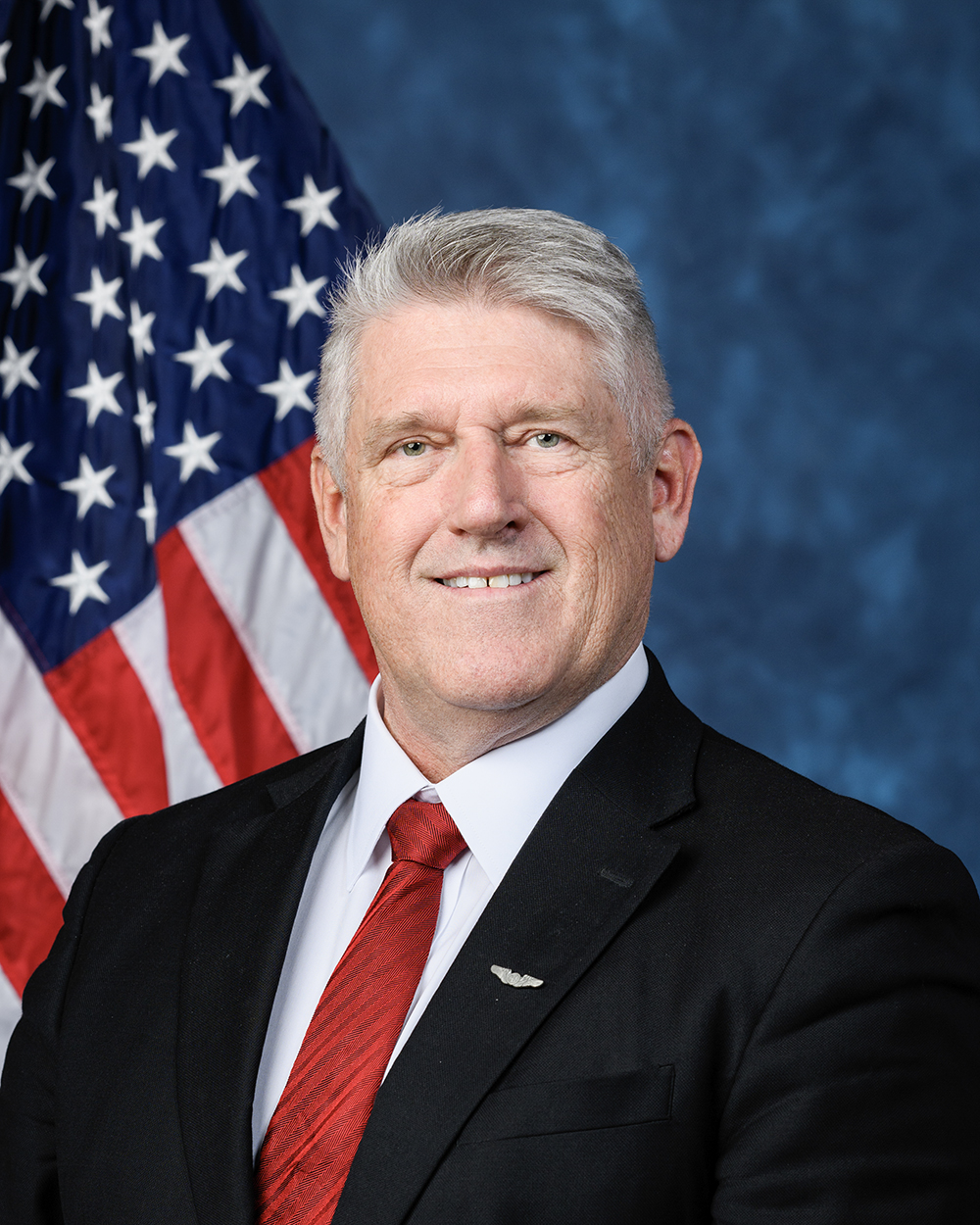
Rep. Troy Downing
Sponsored bills
SBA Fraud Enforcement Extension Act This bill extends the statute of limitations to 10 years for fraud-based criminal and civil offenses with respect to the Shuttered Venue Operators Grant and the Restaurant Revitalization Fund COVID-19 relief programs.
Maddy summaryHR 6336, the Fair Allocation of Interstate Rates Act, prohibits electric transmission providers serving customers in multiple states from charging out-of-state consumers for facilities built to implement a state's energy policies, unless that state consents. The bill directly affects multistate utilities and their customers, requiring that costs for "covered transmission facilities" (those built to implement a state's energy policy) be allocated only to residents of the state that enacted the policy. It creates a legal presumption that only residents of the implementing state are responsible for these costs, with an exception allowing out-of-state charges if the customer's state explicitly agrees. The Federal Energy Regulatory Commission must issue implementing rules within six months of the bill's enactment.
Maddy summaryHR 6327, the Rural Housing Regulatory Relief Act, exempts certain rural housing projects from requiring environmental reviews under the National Environmental Policy Act (NEPA). It applies specifically to construction or modifications on "infill sites" (defined as sites with existing water, sewer, and road infrastructure, excluding greenfield areas or high-risk flood/fire zones) using USDA housing programs like Section 502 or 515. The bill removes the need for NEPA reviews for these projects, aiming to speed up housing development. It also requires the USDA Secretary to report to Congress within five years on whether the exemption reduced review times, costs, and impacts on rural affordable housing. This change directly affects rural housing providers and applicants under the specified USDA programs.
Maddy summaryHR 6256, the Floodplain Enhancement and Recovery Act, simplifies regulatory processes for communities and landowners undertaking projects to restore natural floodplain functions. It exempts such projects from standard flood insurance map change fees and allows limited increases in flood levels (up to 1 foot) in designated floodways, provided projects don’t harm critical infrastructure and communities submit post-completion analysis within 180 days. The bill amends existing flood insurance law to prioritize ecosystem restoration by adjusting fee and approval requirements, directly affecting local governments managing floodplains and developers working on restoration projects.
Maddy summaryHR 1109, the Litigation Transparency Act of 2025, requires parties and their lawyers in civil lawsuits to disclose to the court and other parties the identity of any person or group that could receive payment if the case succeeds (like investors or lenders), and to provide copies of related agreements. Exceptions apply for simple loan repayments (with interest limits) or attorney fee reimbursements. Disclosures must be made within 10 days of signing such agreements or when filing the case, and must be updated if inaccurate. This applies to all civil cases filed after the law takes effect, aiming to increase transparency in litigation funding arrangements.
Maddy summaryThe National Cemetery Access Act (HR 5942) requires national cemeteries managed by the Department of Defense, the Department of Veterans Affairs, or the National Park Service to be open to the public on all federal holidays specified in 5 U.S.C. § 6103(a), such as New Year's Day and Independence Day. This directly affects veterans' families and the public who visit these sites on those holidays, ensuring consistent access without closures. The bill mandates standard opening hours on designated federal holidays but does not change the list of holidays or create new benefits.
Maddy summaryThis bill requires all new passenger vehicles manufactured for sale in the U.S. to include AM radio as standard equipment (not an optional add-on) by 2027-2028, depending on manufacturer size. It mandates that AM radio receivers must be easily accessible to drivers and allows compliance through digital AM broadcast technology. During a transition period, manufacturers must clearly label vehicles without AM radio but cannot charge extra for this feature. The bill also mandates a GAO study on AM radio's role in emergency alerts and includes a 10-year sunset provision for the rule. It preempts state laws regarding AM radio access in vehicles.
Maddy summaryHRES 864 is a ceremonial resolution honoring U.S. veterans on Veterans Day 2025. It does not create new laws or policies but formally recognizes veterans' service and sacrifice, calling on all Americans to observe Veterans Day. The resolution references historical context about Veterans Day's origins (from Armistice Day to honoring all veterans) but contains no concrete policy changes. It directly addresses the general public, urging them to participate in the observance. As a non-binding resolution, it affects no specific individuals or groups through legislative action.
Maddy summaryThe Whole-Home Repairs Act of 2025 establishes a federal pilot program to fund home repairs for affordable housing. It provides grants to eligible homeowners (with income at or below 80% of area median income) and forgivable loans to eligible landlords (who own 10 or fewer rental properties with majority affordable units) for repairs addressing accessibility, habitability, energy efficiency, and safety. The program requires landlords to maintain affordability by capping rent increases at 5% annually for three years after repairs and to comply with accessibility standards. The pilot will operate until 2031 with $30 million in funding, administered by local governments or qualified nonprofits, and will track outcomes through annual reporting on units served and demographic data.