

Maddy summaryThis bill, titled the Artificial Intelligence Data Center Moratorium Act, halts the construction and upgrading of large-scale artificial intelligence data centers until specific federal laws are passed. It defines these facilities as sites with high power capacity or advanced cooling systems used for developing AI models. The moratorium remains in effect until new legislation ensures federal safety reviews for AI products, mandates that economic benefits reach workers rather than just wealthy owners, prevents increases in utility bills, avoids environmental harm, requires community approval, bans government subsidies, and guarantees union jobs with strong labor standards. Additionally, the bill restricts the export of computing hardware, such as semiconductors and networking equipment, to countries that do not adopt these same protective laws for AI development.
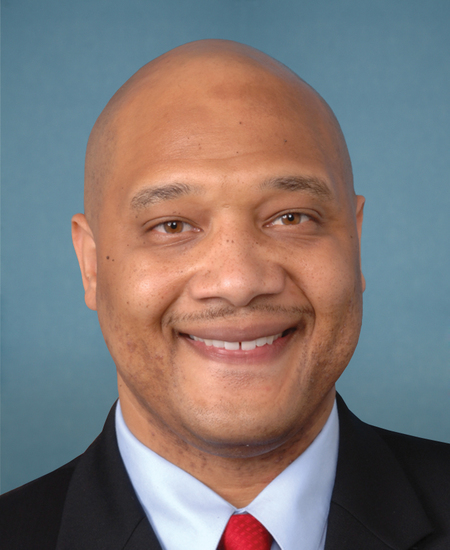
Rep. André Carson
Sponsored bills
Maddy summaryThe Right to Vote Act establishes legal protections against government actions that make it more difficult for citizens to vote in federal elections. It prohibits any rule or practice that diminishes voting ability unless the government proves it is the least restrictive way to achieve an important interest, and it similarly blocks substantial impairments unless they significantly further a specific government goal. The bill creates a new legal pathway for voters to challenge these restrictions in federal court, requiring judges to expedite these cases and shifting the burden of proof to the government to justify any voting barriers. These protections apply to all U.S. states, territories, and the District of Columbia for elections occurring on or after September 1, 2026.
Maddy summaryThe Open Meetings Act of 2026 requires the Judicial Conference to publish notice of its meetings at least 30 days in advance on its official website. It mandates that these meetings be live-streamed with audio accessible to the public without charge or registration, and the recordings must be archived and published online within seven days. The bill allows for exceptions to public access when matters are legally prohibited from disclosure or when a majority vote determines a session should be closed for sensitive reasons, provided the reason is stated publicly. These changes directly affect the transparency and public accessibility of proceedings within the federal judicial system.
Maddy summaryThe Stop Spying Bosses Act establishes new federal rules to limit how employers collect, use, and share data about their employees and job applicants. This legislation directly affects private businesses with 11 or more workers, government agencies, and their employees by prohibiting the gathering of sensitive information such as biometric data, political views, or off-duty activities without a specific, disclosed business need. Key provisions require employers to clearly inform workers about what data is being collected and how it is used, grant employees the right to access and correct their personal records, and ban the sale of employee data to third parties. The bill also creates a new Worker Protection and Technology Division within the Department of Labor to oversee compliance and provides legal protections for workers who report violations, including the right to sue for damages and prohibiting forced arbitration for such disputes.
Maddy summaryThe Latonya Reeves Freedom Act of 2026 strengthens the Americans with Disabilities Act to ensure individuals with long-term service and support needs have a federally protected right to live in their communities rather than institutions. It requires states and insurance providers to offer community-based services that allow people to maintain independence, control their own care, and access affordable, integrated housing. The bill mandates that public entities and insurers create enforceable transition plans to move people out of institutions, conduct self-evaluations to identify barriers, and establish clear grievance procedures for resolving complaints. Enforcement is handled by the Department of Justice, which can investigate violations, while individuals may also file civil lawsuits to seek damages or court orders preventing institutionalization.
Maddy summaryThis resolution expresses the sense of the House of Representatives that the United States should recognize and encourage acts of kindness to foster community and build social resilience. It highlights the belief that kindness strengthens families, neighborhoods, and the nation by connecting people across differences and promoting a healthier society. The bill does not create new laws or funding but serves as a symbolic statement affirming the value of everyday compassionate actions.
Maddy summaryThe Air Carrier Access Amendments Act of 2026 updates the Air Carrier Access Act to strengthen protections for individuals with disabilities who travel by air. It directly affects passengers with disabilities, service animal handlers, and air carriers by establishing new rules for handling specific violations. The bill allows aggrieved passengers to file civil lawsuits in federal court without first exhausting administrative remedies and permits courts to award compensatory and punitive damages. Additionally, it mandates that the Department of Transportation refer cases involving patterns of discrimination to the Attorney General for further legal action.
Maddy summaryThe Protect Local Funding Act prohibits federal agencies from finalizing, implementing, or enforcing a specific proposed rule regarding federal financial assistance scheduled for publication in May 2026. This legislation directly affects the Office of Management and Budget and other federal agencies by legally blocking them from acting on that particular regulation. By preventing the enforcement of this rule, the bill aims to stop a specific administrative action that could impact how federal funds are distributed. The measure does not alter existing funding programs but rather serves as a procedural barrier to a future regulatory change.
Maddy summaryThe FAST Repairs for Wheelchairs Act prohibits Medicare Advantage plans from requiring prior authorization, prescriptions, or medical documentation for repairs to complex rehabilitation wheelchairs and their accessories. This change directly affects individuals who use these devices, allowing them to get necessary maintenance without waiting for plan approval. However, the law still permits plans to review the initial medical necessity of the equipment or approve replacements when the device is lost, damaged, or has been used for five years. By removing these specific barriers for repairs, the bill aims to ensure faster access to essential maintenance services for wheelchair users.
Maddy summaryThe Don't Settle for Corruption Act requires that the Attorney General must submit a report to both houses of Congress for any settlement regarding lawsuits brought against the President or former President by the United States. Before such a settlement can be approved and paid, Congress must pass a specific joint resolution within 60 days of receiving the report. This process ensures that compromise settlements in these high-profile cases receive explicit legislative approval rather than being finalized solely by the executive branch. The law applies specifically to imminent litigation or suits involving the President or former President and mandates that these settlements be handled similarly to court judgments.