

Maddy summaryHB 6224 requires Connecticut's Commissioner of Energy and Environmental Protection to create a plan by February 1, 2026, to improve water infrastructure and address workforce shortages. Key provisions include streamlining dam permitting, clarifying pre-application processes, prioritizing reviews by dam risk, and resolving liability concerns for water utilities using contractors. The bill specifically mandates incentives to attract and retain certified water treatment operators, directly targeting the shortage affecting water utilities. This plan aims to strengthen water supply reliability and workforce stability for public water systems across Connecticut.
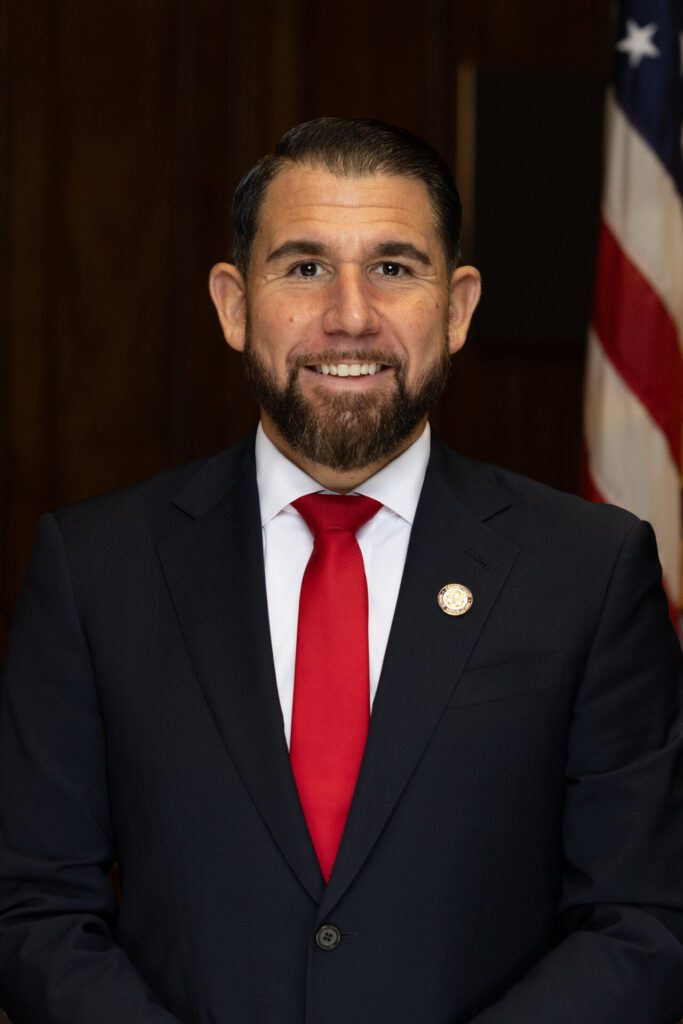
Sen. Paul Cicarella
Sponsored bills
Maddy summaryThis House Joint Resolution honors the 6888th Central Postal Directory Battalion, a World War II unit of 855 African-American and Latina women in the Women's Army Corps, for clearing military mail backlogs in Europe. The battalion processed an average of 65,000 parcels daily under difficult conditions, clearing a six-month backlog in three months and a three-year backlog in France, supporting troop morale through their motto "No mail, low morale." The Connecticut General Assembly passes this resolution to recognize the battalion's historic role as the only predominantly Black and Latina women's unit deployed to the European Theater during WWII, highlighting their contributions to breaking racial and gender barriers in the military.
Maddy summaryHB 5787 allows veterans and members of the U.S. Armed Forces to seek reimbursement from Connecticut's Department of Veterans Affairs for the membership fee paid to join the Military Order of the Purple Heart (MOPH). Specifically, those who join a MOPH chapter to obtain a special license plate recognizing the organization (issued on or after July 1, 2025) can apply for reimbursement of the membership cost, currently $200 for a lifetime membership. The Commissioner of Veterans Affairs must process applications within 60 days and provide reimbursement if approved. This policy change directly affects eligible veterans and military members who choose to join MOPH to qualify for the special plate.
Maddy summarySB 647 establishes a systems benefits charge to fund energy affordability programs, directly affecting all electricity customers in Connecticut. The bill requires the Public Utilities Regulatory Authority to set this annual charge (effective July 1, 2025), with funds directed to specific programs like Operation Fuel for energy assistance, hardship protection measures, low-income conservation initiatives, and energy efficiency programs. It replaces an older funding mechanism and specifies exact allocations, including $2.1 million annually for energy assistance (with $200,000 for administrative costs). The bill does not change electricity rates but redirects existing funding to support vulnerable households and energy programs.
Maddy summarySB 140 establishes an independent office to investigate fraud and waste in state government spending, including contracts with private providers and nonprofit programs funded by the state. It also creates a working group to study how state agencies can partner with private entities to reduce costs and prevent taxpayer dollar waste, requiring a report by December 31, 2025. The office will have authority to investigate fraud claims, refer cases for criminal prosecution, and review how state funds are used across agencies and facilities. This bill directly affects state agencies, private contractors, and nonprofit organizations receiving state funds by creating new oversight mechanisms. The focus is on concrete policy changes to improve accountability, not on predicting outcomes.
Maddy summarySB 164 establishes a task force to study how Connecticut could expand services offered by the 2-1-1 Infoline program, operated by United Way of Connecticut. The task force, composed of state agency representatives, United Way staff, advocacy organizations, and legislative leaders, will examine the state funding needed for such expansion. It must submit recommendations to lawmakers by January 1, 2026, but will not make policy changes itself. This bill directly affects Connecticut residents who rely on 2-1-1 for social services referrals, though no new services or funding are authorized by this measure.
Maddy summarySB 1310 allows hospitals to install climate-controlled, exterior wall bassinets with automatic locks and alarms in emergency departments. These devices enable parents to voluntarily surrender infants 30 days old or younger without providing their name or personal information. Hospital staff must take custody immediately upon notification, and parents may choose to leave a numbered bracelet for future identification if they wish. The law aims to prevent infant abandonment by providing a safe, anonymous surrender option for parents in crisis.
Maddy summaryHB 6798 modifies existing climate resiliency bond funds to reimburse farmers for crop losses caused by hailstorms or other climate-related weather events. It directly affects farmers in the state who suffer significant crop damage due to these specific weather incidents. The bill repurposes current bond authorizations - without creating new funding - to provide financial assistance through the state's existing climate resilience program. This provides a concrete, immediate aid mechanism for agricultural producers facing climate-driven disasters.
Maddy summaryHB 5451 allows Connecticut municipalities to reduce property taxes by up to $500 annually for eligible first-time homebuyers who secure a loan through the Connecticut Housing Finance Authority (CHFA). It directly affects first-time homebuyers in Connecticut who use CHFA financing to purchase a home. The key provision gives local governments the authority to implement this tax abatement as a standalone policy, without requiring new state funding. This change aims to lower housing costs for qualifying buyers by reducing their annual property tax burden. The bill does not alter CHFA loan terms or create new state-level tax credits.
Maddy summarySB 1162 establishes the Connecticut Italian-American Heritage Commission to preserve and promote Italian and Italian-American heritage through cultural programs and the preservation of historical sites. The commission will directly support Italian-American communities by developing educational initiatives and safeguarding cultural landmarks. This procedural bill creates a state commission with no new taxes or regulations, focusing solely on cultural heritage efforts. It does not impose obligations on citizens or alter existing laws.