

Maddy summarySB 619 increases the cost thresholds that trigger prevailing wage requirements for public construction and renovation projects. It raises the threshold for new construction from $1 million to $5 million and for renovations (including remodeling or repairs) from $100,000 to $500,000. This means more public projects will now require contractors to pay the local prevailing wage - the typical wage for similar work in the area - expanding coverage to larger projects previously exempt. The bill directly affects public works contractors and workers on projects meeting these new cost levels. It does not change the prevailing wage rate itself, only the size of projects subject to the requirement.
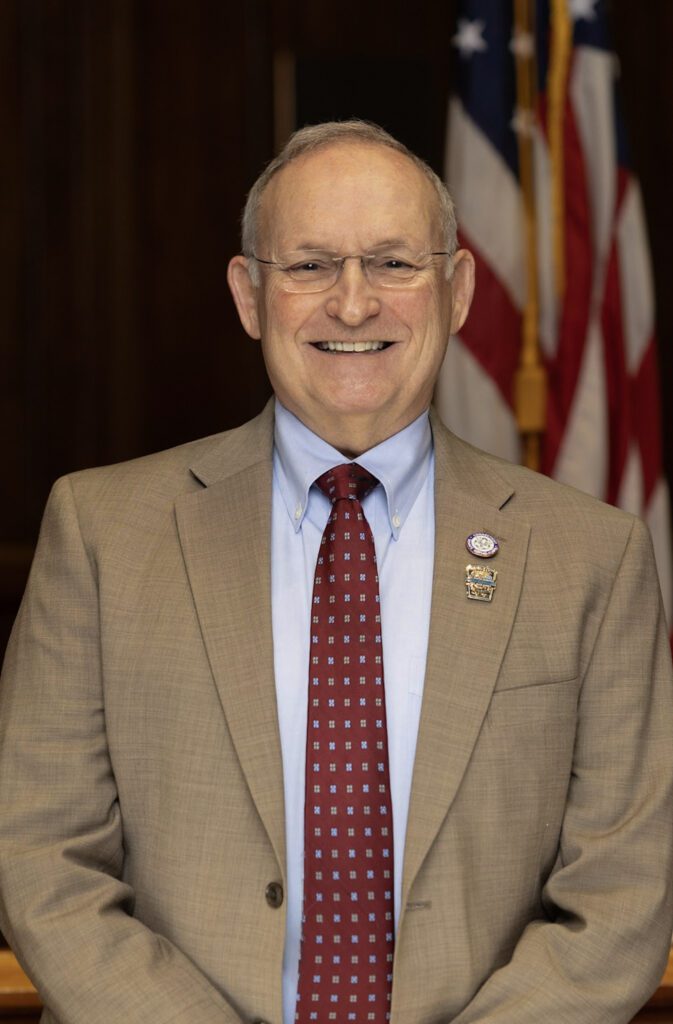
Sen. Henri Martin
Sponsored bills
Maddy summaryHB 5108 establishes state standards for industrial low-frequency noise pollution and requires enforcement to protect residents. The bill amends state statutes to set specific noise level limits for industrial facilities and creates a process for monitoring and addressing violations. It directly affects industrial operations generating such noise (like factories or power plants) and nearby communities exposed to it. The goal is to reduce health risks linked to prolonged exposure to low-frequency noise, such as sleep disruption and stress.
Maddy summarySB 501 would amend state law to allow dental providers to jointly negotiate reimbursement rates with health insurance carriers. This change directly affects dentists and dental clinics who currently face fixed reimbursement rates, as well as health insurance companies that set those rates. The key mechanism is enabling collective bargaining between dental providers and health carriers to establish payment rates. The bill aims to increase flexibility in setting these rates without specifying exact amounts or changing existing coverage requirements. It focuses on the negotiation process rather than altering patient benefits or insurance mandates.
Maddy summarySB 502 proposes creating "Breast Cancer Awareness" commemorative license plates in Connecticut. Vehicle owners who choose these plates would pay an additional fee, with the revenue covering administrative costs and funding breast cancer treatment and prevention programs. The bill directly affects plate buyers and supports public health initiatives through a dedicated funding mechanism. This is a procedural measure focused on awareness and program support, not substantive policy change.
Maddy summarySB 337 allows property owners to request law enforcement, rather than a court, to remove individuals occupying their property without a signed written agreement from the owner. It directly affects property owners seeking to evict unauthorized occupants and the occupants themselves who lack written permission for their presence. The bill replaces the current requirement for a court-ordered summary process with a streamlined law enforcement removal procedure upon the owner’s request. This changes the procedural mechanism for unlawful occupancy removal but does not alter the definition of unlawful occupancy.
Maddy summarySB 381 appropriates funds from the General Fund to reimburse Connecticut municipalities for property tax revenue lost when veterans qualify for tax exemptions under state law (section 12-81, subdivision 83). It directly affects towns and cities that grant these exemptions, compensating them for the revenue shortfall caused by the exemption program. The bill provides a specific funding mechanism to ensure municipalities are not financially harmed by offering this benefit to veterans. This is a straightforward reimbursement measure, not a policy change to the exemption itself.
Maddy summarySB 15 requires all organizations receiving state funding to undergo an annual financial audit. This applies directly to nonprofits, contractors, educational institutions, and other groups that receive money from the state government. The bill mandates these audits as a standard requirement but does not specify audit standards, conductors, or enforcement consequences. The purpose is to ensure transparency in how state funds are used. (1 of 1)
Maddy summaryThis bill allows hunting on Sundays for all game types and methods on both private and public lands throughout the state. It removes existing restrictions that previously limited or prohibited Sunday hunting. The change directly affects all hunters in the state who wish to hunt on Sundays during the regular hunting season. The bill's purpose is to expand Sunday hunting opportunities without specifying additional requirements or limitations.
Maddy summarySB 158 prohibits colleges from reducing a student's institutional financial aid or grant under the Roberta B. Willis Scholarship program when the student receives an external scholarship. It directly affects students enrolled in the Roberta B. Willis Scholarship program at participating higher education institutions. The bill's key provision requires colleges to maintain full institutional aid amounts regardless of outside scholarship awards, preventing "displacement" where external scholarships lead to reduced college aid. This policy change ensures students retain full financial support without penalty for securing additional scholarship funding.
Maddy summarySB 157 requires businesses operating in this state to obtain written consent from customers before storing their credit card or other payment information. This law directly affects all businesses that collect payment details, such as retailers or service providers, and protects consumers by mandating explicit permission for data retention. The key provision replaces current practices by requiring businesses to get clear, written consent before saving payment information, rather than assuming implied consent. This creates a concrete policy change in how businesses handle sensitive financial data.