

Maddy summaryHB 5493 would change how state employee pensions are calculated by removing overtime pay from the formula used to determine final pension benefits. This directly affects current and future state employees whose pension amounts are based on their final average salary. The key provision amends state law to exclude all overtime earnings when computing the salary base for pension calculations. The stated purpose is to improve the financial stability of the state retirement system. This bill focuses on a specific adjustment to pension calculation methodology, not broader retirement policy changes.
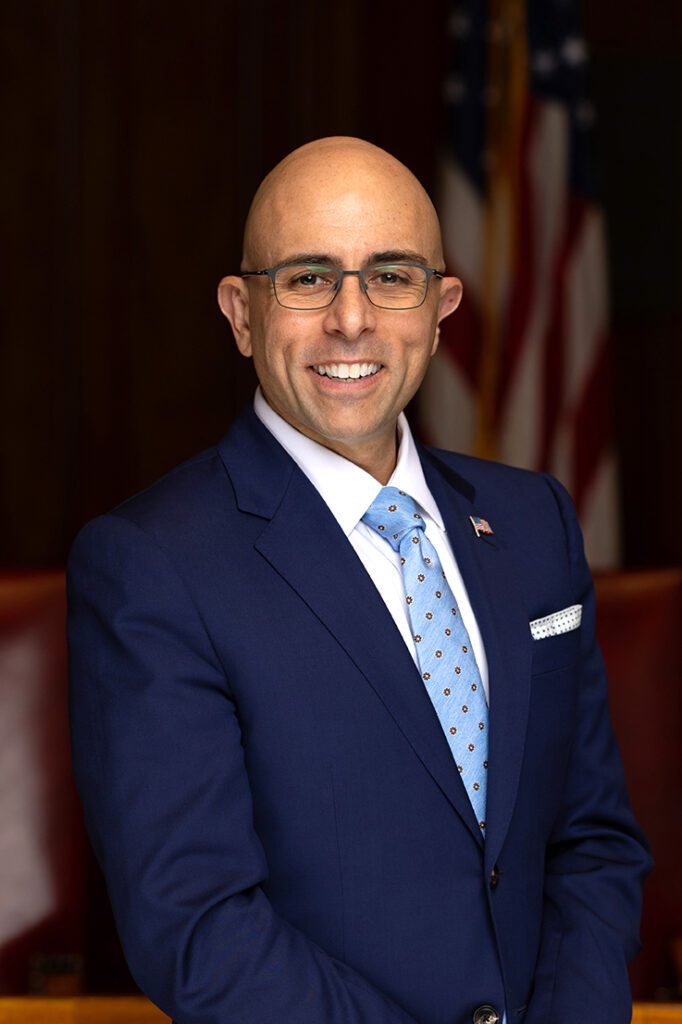
Sen. Jason Perillo
Sponsored bills
Maddy summaryHB 5381 would amend Connecticut law to require full funding for the state's special education excess cost grant. It directs the Department of Education to provide funding equal to its most recent estimates for all towns receiving this grant. The bill directly affects school districts and towns that administer special education programs by ensuring they receive the full amount they need to cover excess costs. This change replaces current partial or estimated funding with a guaranteed, fully funded grant amount under Section 10-76g of the general statutes.
Maddy summaryHB 5404 requires the Public Utilities Regulatory Authority (PURA) to have full bipartisan membership, mandating three majority-party and two minority-party members, with vacancies filled by the Senate President Pro Tempore and House Speaker. It separates PURA from the Department of Energy and Environmental Protection, prohibits private communications between PURA members and officials, and allows electric companies to recover known costs in rate reviews. The bill also requires both legislative chambers to approve any policy restricting utility shutoffs for nonpayment due to hardship. These changes aim to make PURA more independent and balanced in its regulatory decisions affecting electricity and gas utilities.
Maddy summaryHB 5400 prohibits the Commissioner of Energy and Environmental Protection or electric distribution companies from entering power purchase agreements for electricity priced more than 150% above the average wholesale rate. It also requires the Commissioner to jointly solicit proposals for clean energy projects exceeding 20 megawatts with two or more other states. The bill directly affects state energy agencies and utility companies managing large-scale renewable energy contracts. These provisions aim to cap costs for consumers and encourage regional collaboration on major clean energy initiatives.
Maddy summaryHB 5402 repeals the current "Combined Public Benefits Charge" from electric bills for end-use customers and requires the General Assembly to approve any future similar charge through a formal vote. This bill directly affects residential and commercial electricity customers by removing an existing fee from their monthly bills and preventing new fees without legislative consent. The key provision mandates that electric distribution companies cannot add such charges unless the legislature votes affirmatively to authorize them. The bill aims to shift control over these fees from utility companies to elected representatives.
Maddy summaryHB 5351 establishes a working group to study the costs to Connecticut state and local governments for providing specific services to undocumented immigrants, including education, language courses, and Medicaid. The bill does not change existing policies but directs the group to gather data on these expenses. It is a procedural measure focused solely on research, not on altering service access or funding. The working group will report findings to the legislature, with no immediate policy changes proposed.
Maddy summaryHB 5356 would end the requirement for the state to follow California's vehicle emission standards and instead mandate that all vehicle emission standards align with those set by the U.S. Environmental Protection Agency (EPA). This bill directly affects the state's regulatory approach to vehicle emissions, impacting car manufacturers selling in the state and the state's environmental compliance framework. The key provision repeals the existing law requiring adherence to California standards and substitutes it with EPA standards as the baseline. This change would simplify compliance for automakers operating in the state but shifts oversight from California's more stringent rules to federal standards.
Maddy summaryHB 5354 prevents conflicts of interest by prohibiting individuals employed by reading or literacy companies from serving on the Reading Leadership Implementation Council. The bill amends state law to bar council membership for anyone working for such companies, directly affecting council members and their employment status. This provision creates a clear rule to avoid situations where council decisions might favor a company an individual represents. The change is a straightforward policy adjustment to maintain the council's impartiality in education policy matters.
Maddy summaryConnecticut's HB 5359 would end the state's participation in the National Popular Vote Interstate Compact (NPVIC) by repealing the statute (section 9-175a) that joined the agreement. This compact is an agreement among states to award all electoral votes to the candidate who wins the national popular vote. The bill directly affects Connecticut's electoral process by removing its commitment to follow the national popular vote outcome for presidential elections. The key mechanism is the repeal of the existing law that implemented Connecticut's participation in the compact.
Maddy summaryHB 5353 requires Connecticut's Department of Education to report reading and literacy scores for all third-grade students from the previous three school years. This report must be submitted annually to the General Assembly's education committee, providing historical data on early literacy performance. The bill focuses on transparency by making this data available for policy discussions without changing educational standards or student requirements.