

Maddy summarySB 144 requires Connecticut's Siting Council to include local representation during reviews of proposed facilities like waste plants or utilities. For each project, the council must add four members appointed by the affected municipality (three local residents and one from a neighboring area) plus one additional local elector appointed by the municipality. These members serve as nonvoting participants to provide community perspective during siting decisions. The bill directly affects municipalities where new facilities are proposed, ensuring local voices are heard in the review process. It becomes effective October 1, 2026.
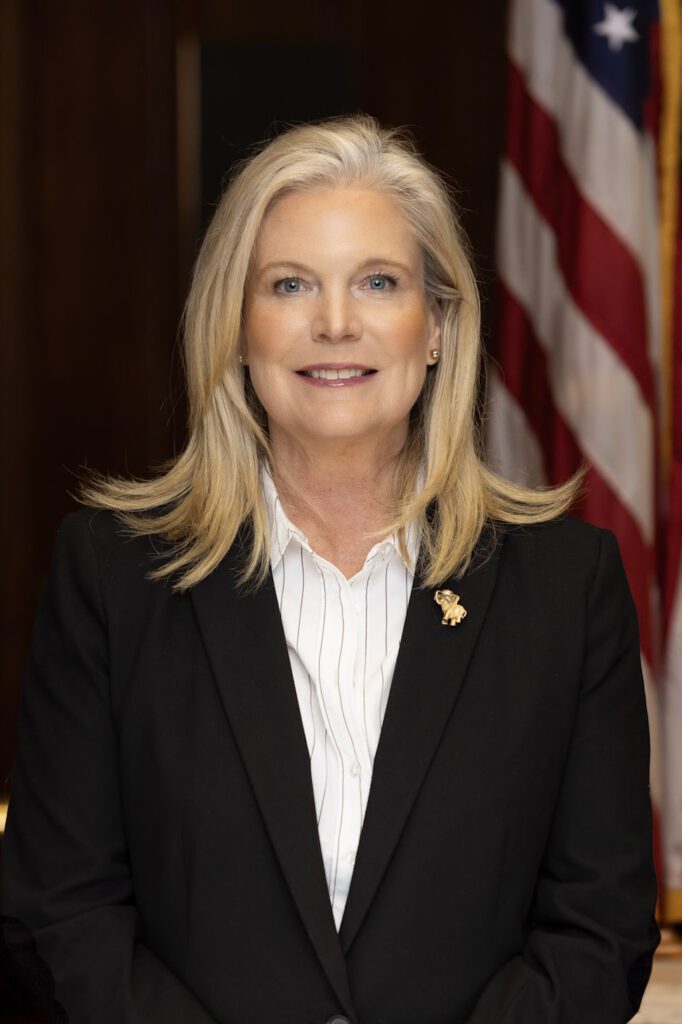
Sen. Heather Somers
Sponsored bills
Maddy summarySB 285 creates a tax credit for family caregivers who provide unpaid care to eligible relatives. It allows caregivers with incomes under $50,000 (individual) or $100,000 (couple) to claim a credit covering 50% of qualifying expenses - such as home modifications, medical equipment, hiring aides, or respite care - up to $2,000 annually. Expenses like general home repairs (e.g., painting, plumbing) are excluded, and the total credit pool is capped at $1.8 million per year. The credit is nonrefundable, meaning it only reduces tax liability but cannot result in a cash refund.
Maddy summarySB 100 reduces the two lowest personal income tax rates for eligible taxpayers. It eliminates the 2% tax rate for single filers earning under $100,000 annually and lowers the 4.5% rate to 3% for those in that bracket. Similarly, it removes the 2% rate for married couples filing jointly earning under $200,000 and reduces the 4.5% rate to 3% for them. The bill directly affects low-to-moderate income earners by decreasing their tax burden on the lowest income levels. These changes apply to taxable income falling within the specified thresholds under the state's income tax code.
Maddy summarySB 77 would create a personal income tax deduction of up to $60,000 for individuals paying full-time home health care costs. It directly affects residents who cover expenses like in-home medical services and medical supplies for themselves or a dependent. The bill amends tax law to allow these costs to reduce taxable income, lowering the amount of tax owed. This is a concrete policy change focused on reducing tax liability for specific health care expenses, without altering eligibility or benefit amounts.
Maddy summarySB 105 eliminates specific fees for occupational and professional licenses, permits, certifications, and registrations. It directly affects speech-language pathologists (removing their license fees), professionals regulated by the Department of Consumer Protection (removing their license, permit, certification, and registration fees), and teachers (removing teaching certificate fees). The bill removes these fees by amending general statutes to delete the associated charges. This is a concrete policy change focused solely on reducing costs for these regulated professions, as stated in the bill's purpose.
Maddy summaryHB 5196 authorizes the state to issue up to $300,000 in bonds for the Groton Community Center. The funds will be provided as a grant to the town of Groton through the Department of Economic and Community Development specifically for planning and engineering work on the center. This bill directly affects Groton by providing dedicated state funding for preliminary development costs. The legislation is procedural, focusing solely on authorizing bond issuance for this project's early planning phase.
Maddy summaryHB 5178 authorizes the state to issue up to $750,000 in bonds to fund a culinary arts center at Robert E. Fitch High School in Groton. The funds would be provided as a grant to the town of Groton through the Department of Education, directly supporting the high school's program. This bill creates no new laws or regulations but allocates specific state funding for facility construction at the school. It affects Groton High School students and the town's educational programming by enabling dedicated culinary training space.
Maddy summarySB 181 directs $330.8 million from the state's Budget Reserve Fund to the General Fund to provide refunds of personal income tax actually paid by taxpayers who filed federal tax returns for the 2025 tax year. The Department of Revenue Services will calculate individual refunds based on actual tax paid. This one-time refund affects taxpayers who filed federal returns for 2025, using existing state funds rather than changing tax rates or laws. The bill does not create new tax obligations or alter future tax policy.
Maddy summaryHB 5194 authorizes the state to issue up to $300,000 in bonds to fund accessibility upgrades for the New England Science and Sailing Foundation. The funds, administered through the Department of Education, will ensure the Foundation's facilities meet federal Americans with Disabilities Act (ADA) physical accessibility standards. This bill directly affects the Foundation by providing targeted grant funding for compliance, rather than general operational support. The legislation specifies the funds must be used solely for accessibility improvements and expires after the 2027 fiscal year.
Maddy summarySB 99 creates a refundable tax credit against personal income tax equal to the motor vehicle property tax paid by qualifying taxpayers. It directly affects low-to-moderate-income individuals: single filers with adjusted gross income under $100,000 and married couples filing jointly with income under $200,000. The credit is refundable, meaning eligible taxpayers receive cash back even if the credit exceeds their income tax liability. The bill specifically applies to motor vehicle property tax, not home property tax (though the text references a separate residence tax limitation, which is unrelated to this vehicle credit). This is a concrete policy change that reduces the tax burden for vehicle owners meeting the income thresholds.