

Maddy summarySB 60 requires waste-to-energy facilities to test for PFAS (forever chemicals) whenever they apply to expand their operations. The Department of Energy and Environmental Protection would mandate this testing as part of the expansion approval process. This directly affects facilities seeking to grow their capacity, ensuring potential PFAS contamination is assessed before expansion. The key provision adds a testing requirement to standard expansion applications, without specifying testing methods or thresholds.
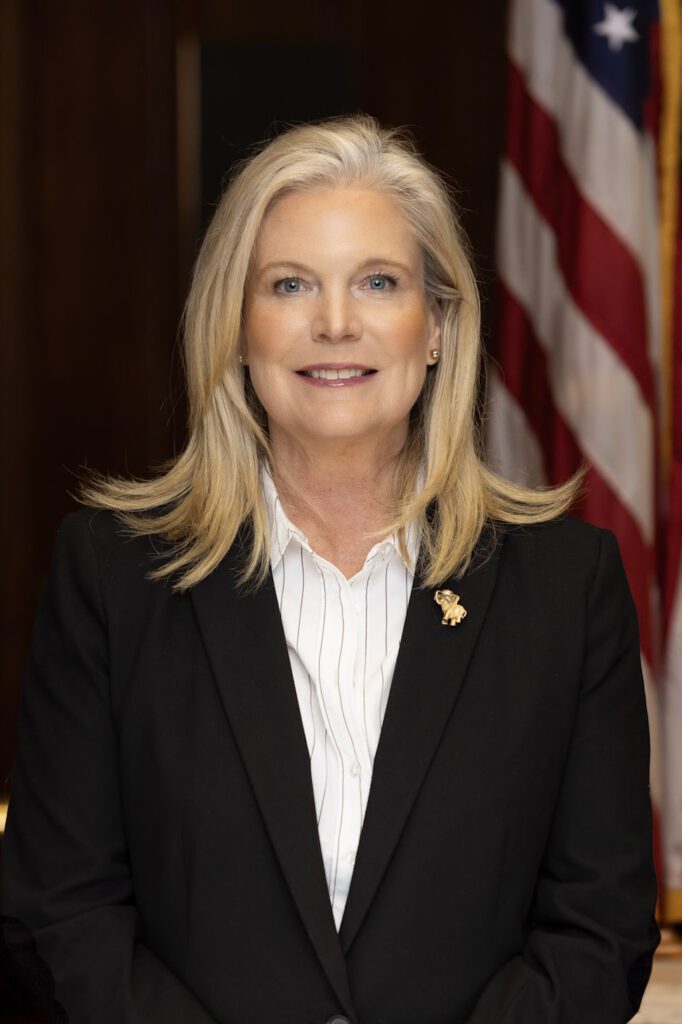
Sen. Heather Somers
Sponsored bills
Maddy summarySB 65 requires Connecticut's Departments of Agriculture and Energy and Environmental Protection to report on the number of closed wells and landfills statewide. It also mandates creating a standardized testing protocol to check these sites - and incinerator ash - for PFAS, a group of toxic chemicals linked to health issues. The bill directly affects state agencies responsible for environmental oversight and aims to improve public awareness of potential contamination near these sites. Key provisions include mandatory reporting and a uniform testing method, focusing on data collection and transparency rather than new restrictions. This is a policy change to address environmental monitoring gaps, not a regulatory or funding measure.
Maddy summarySB 110 establishes a personal income tax deduction for volunteer firefighters and ambulance members who receive stipends from their municipality, fire department, or ambulance association. The deduction applies only to stipends totaling $15,000 or less per year for their volunteer service. This policy directly affects eligible volunteers by reducing their taxable income for those stipends, without changing their overall tax bracket. The bill amends Section 12-701 of the general statutes to create this specific tax benefit.
Maddy summarySB 109 dedicates revenue from a 1% sales tax on restaurant meals to three specific state purposes. Fifty percent of the collected funds will go to the Tourism Fund, 25% will be distributed to the municipalities where the meals were purchased, and the remaining 25% will be allocated to programs addressing food insecurity. The bill directs existing tax revenue toward these established state priorities without creating new taxes or altering tax rates. This policy change directly affects local governments (through revenue sharing), the tourism industry (via dedicated funding), and residents facing food insecurity (through targeted initiatives).
Maddy summarySB 108 would create a personal income tax deduction for taxpayers who pay college tuition directly. This means eligible taxpayers could reduce their taxable income by the amount spent on qualifying tuition payments. The bill specifically targets individuals covering tuition costs for themselves or their dependents, not schools or scholarship recipients. It would amend existing tax law to add this deduction, lowering the overall tax liability for affected filers. The policy directly benefits taxpayers making college tuition payments, with no broader educational funding changes included.
Maddy summarySB 107 raises the sales price threshold for luxury vehicles subject to a 7.75% sales and use tax rate from $65,000 to "more than $65,000." It directly affects buyers of high-end vehicles priced above this new threshold, who will now pay the higher tax rate. The bill also requires the threshold to automatically adjust for inflation annually, ensuring it keeps pace with rising prices over time. This change updates the tax structure to reflect current market values without altering the tax rate itself.
Maddy summarySB 111 authorizes Connecticut to issue up to $300 million in state bonds over two fiscal years (ending June 2026 and 2027) to fund the Build for CT program. The proceeds will be allocated by the Department of Housing to address housing needs for Connecticut's middle-income renters. This bill directly affects middle-income renters by increasing funding for housing assistance through the Build for CT program. It does not change the program's structure but provides new financial resources to expand its reach. The bill specifically targets housing affordability for this demographic group in Connecticut.
Maddy summarySB 145 establishes a 1:1 ratio requirement for apprentices and licensed workers on noncommercial construction projects, such as community centers or nonprofit facilities. It directly affects apprentices seeking training and licensed contractors managing these projects by mandating that one apprentice must be paired with each licensed worker. The bill amends existing law to require this specific ratio, ensuring apprenticeship opportunities align with licensed workforce needs in noncommercial settings.
Maddy summarySB 133 requires the Governor to appoint a chairperson for the State Contracting Standards Board within 30 days of a vacancy occurring. This procedural bill affects the Governor and the board by establishing a clear timeline for filling leadership gaps. The key provision sets a 30-day deadline to maintain the board's operational continuity without delay. It does not change the board's duties or policies, only the appointment process.
Maddy summarySB 144 would allow grocery stores to sell wine by amending Title 30 of the general statutes. This bill directly affects grocery stores, enabling them to offer wine alongside other food items, and impacts customers who would gain new purchasing options. The key provision removes existing restrictions, authorizing wine sales in grocery stores through a statutory change. The bill focuses solely on enabling this specific retail activity without additional regulations or tax provisions.