

Maddy summarySB 255 establishes a state certification program for independent building inspectors and inspection firms to perform state building code inspections. It requires the State Building Inspector to create classifications with specific qualifications, insurance needs, and duties for inspectors/firms, plus an oversight audit system to ensure inspection quality. Local building officials will receive certified inspections under this program, which begins October 1, 2026. The program allows for fee waivers for applicants demonstrating financial hardship.
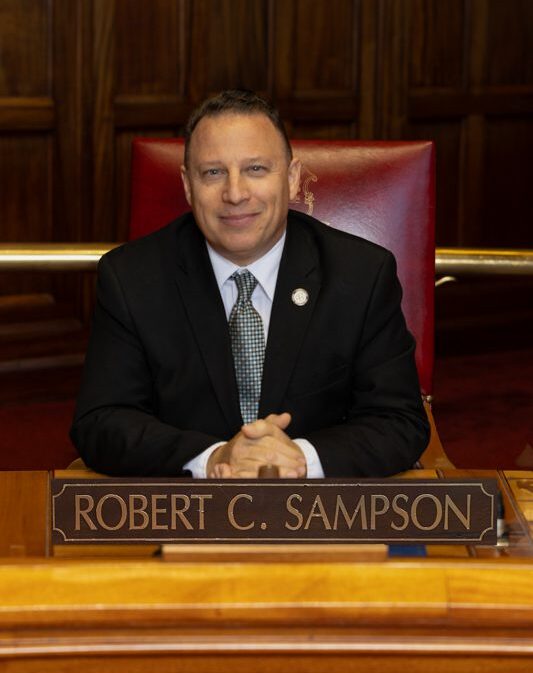
Sen. Rob Sampson
Sponsored bills
Maddy summarySB 105 eliminates specific fees for occupational and professional licenses, permits, certifications, and registrations. It directly affects speech-language pathologists (removing their license fees), professionals regulated by the Department of Consumer Protection (removing their license, permit, certification, and registration fees), and teachers (removing teaching certificate fees). The bill removes these fees by amending general statutes to delete the associated charges. This is a concrete policy change focused solely on reducing costs for these regulated professions, as stated in the bill's purpose.
Maddy summarySB 181 directs $330.8 million from the state's Budget Reserve Fund to the General Fund to provide refunds of personal income tax actually paid by taxpayers who filed federal tax returns for the 2025 tax year. The Department of Revenue Services will calculate individual refunds based on actual tax paid. This one-time refund affects taxpayers who filed federal returns for 2025, using existing state funds rather than changing tax rates or laws. The bill does not create new tax obligations or alter future tax policy.
Maddy summarySB 106 would remove the sales and use tax from dog grooming services in the state. This change directly affects dog groomers (who would pay less tax on their services) and pet owners (who would pay less for grooming). The bill achieves this by amending the state tax code to specifically exempt dog grooming services from the standard sales tax.
Maddy summarySB 99 creates a refundable tax credit against personal income tax equal to the motor vehicle property tax paid by qualifying taxpayers. It directly affects low-to-moderate-income individuals: single filers with adjusted gross income under $100,000 and married couples filing jointly with income under $200,000. The credit is refundable, meaning eligible taxpayers receive cash back even if the credit exceeds their income tax liability. The bill specifically applies to motor vehicle property tax, not home property tax (though the text references a separate residence tax limitation, which is unrelated to this vehicle credit). This is a concrete policy change that reduces the tax burden for vehicle owners meeting the income thresholds.
Maddy summaryThis bill establishes a nonrefundable personal income tax credit of up to $150 for individuals who purchase a gun safe for personal use. The credit reduces the amount of state income tax owed but cannot result in a refund if the credit exceeds the tax liability. It directly affects individual taxpayers who buy gun safes, providing a tax benefit for this specific purchase. The policy change creates a new tax incentive without altering firearm regulations or safety standards.
Maddy summarySB 72 would eliminate state taxes or fees where the cost to collect them exceeds the revenue they generate. This applies directly to specific taxes or fees meeting this cost-revenue threshold, affecting taxpayers subject to those eliminated charges. The bill’s key mechanism requires automatic removal of such taxes/fees from state statutes through statutory amendment. It does not target specific existing taxes but establishes a general rule for eliminating inefficient revenue streams.
Maddy summarySB 68 restores a 93.01% tax credit against the "affected business entity tax" by amending Chapter 228z of the general statutes. This bill directly affects businesses subject to the affected business entity tax by increasing the credit they can claim against their tax liability. The key provision changes the credit rate back to 93.01%, reversing a prior reduction. This is a straightforward policy adjustment to the tax code with no additional requirements or new programs.
Maddy summarySB 71 establishes a state income tax credit for individuals or groups who pay premiums for long-term care insurance policies covering home health care services. It directly affects residents purchasing qualifying long-term care insurance that provides benefits for care received in their homes. The bill allows taxpayers to reduce their state income tax liability by the amount paid in premiums for these specific policies. This policy change provides a financial incentive for securing home-based long-term care coverage.
Maddy summarySB 29 redirects specific state funds currently allocated for PeoplesBank Arena renovations and Hartford's Municipal Accountability Review Board to instead fund school resource officers in all Connecticut municipalities. The bill requires that money previously designated for these two purposes be diverted to local schools for safety personnel. This policy change directly affects every town and city in the state by providing new resources for school safety programs. The legislation does not create new taxes but reallocates existing funding streams to prioritize school safety.