

Maddy summaryConnecticut's SB 326 would withdraw the state from the National Popular Vote Interstate Compact (NPVIC), ending Connecticut's commitment to award its electoral votes to the presidential candidate who wins the national popular vote. This bill specifically repeals Connecticut's implementing statute (section 9-175a of general statutes), meaning Connecticut would no longer participate in the agreement with other states to collectively influence presidential elections based on national popular vote totals. The withdrawal does not change Connecticut's current method for allocating electoral votes in presidential elections.
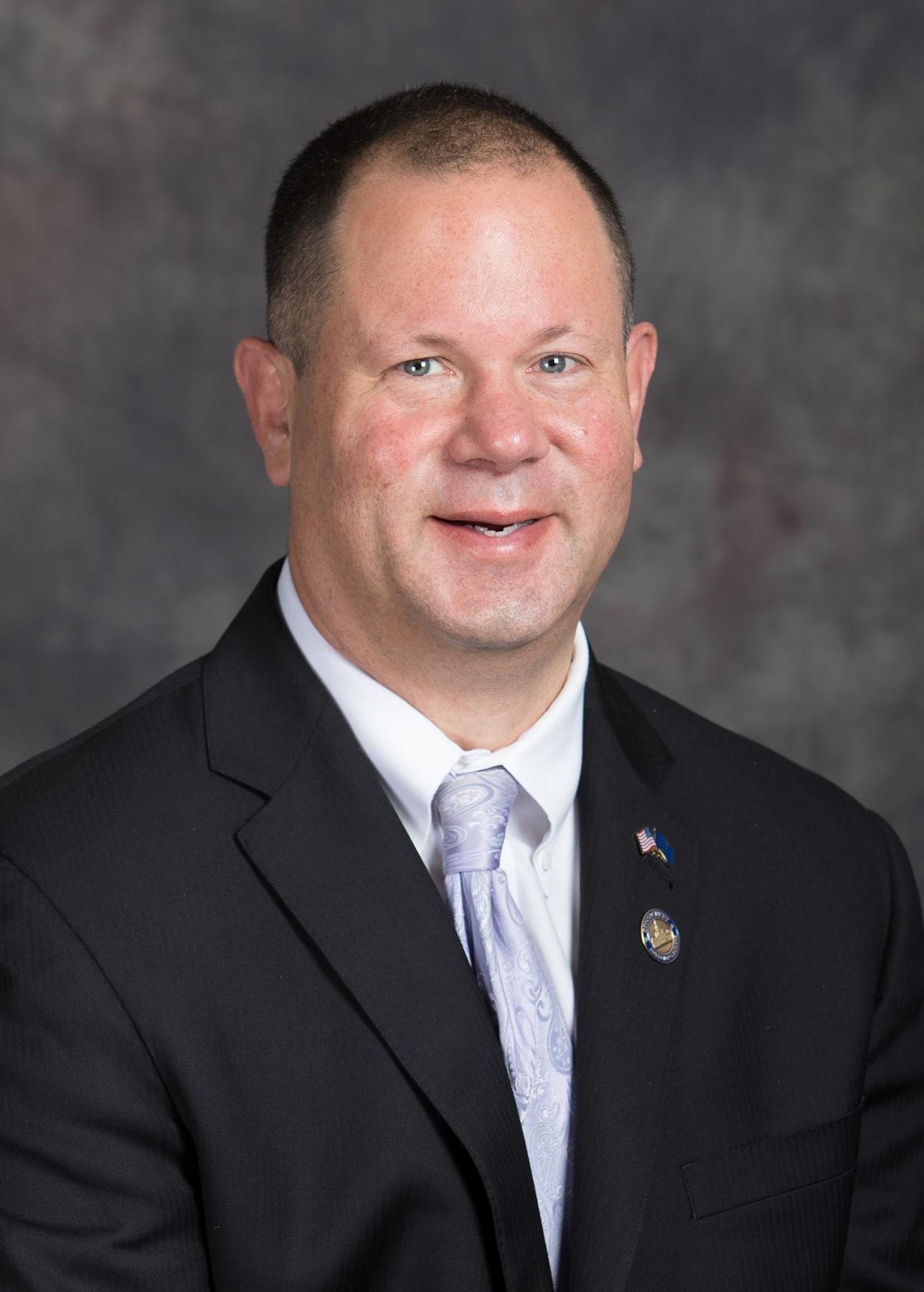
Rep. Craig Fishbein
Sponsored bills
Maddy summaryThis bill would move the Public Utilities Regulatory Authority (PURA) out of the Department of Energy and Environmental Protection (DEEP), making PURA an independent regulatory agency. It would separate PURA's core functions - overseeing utility rates, service standards, and infrastructure approvals - from DEEP's environmental and energy policy responsibilities. This structural change directly affects utility companies, ratepayers, and consumers who rely on regulated energy services. The bill amends statutes to establish PURA as a standalone entity with its own governance and authority.
Maddy summarySB 309 would prohibit state funds from being provided to political activist organizations, which are defined as groups primarily engaged in political activities. The bill requires any organization that receives state funds in violation to repay the money plus triple damages, and it imposes criminal penalties for fraud related to obtaining such funds. This legislation directly affects organizations classified as political activists by blocking their access to state funding. The law aims to ensure state resources are not used to support political advocacy efforts.
Maddy summarySB 332 prohibits political campaigns, organizations, or election officials from sending absentee ballot applications to voters without their explicit request. The bill directly affects all voters in the state by changing how they receive absentee ballot forms - applications can only be provided when a voter specifically asks for one. It amends election law to require that absentee ballot applications be sent only upon a voter's written or electronic request, eliminating unsolicited mailings. This is a procedural change to election administration, not a policy shift on voting access.
Maddy summarySB 334 eliminates the Board of Regents for Higher Education from state law. This procedural bill removes the governing body responsible for overseeing public higher education institutions. It directly affects the administrative structure of the state's public universities and colleges by abolishing this specific oversight board. The bill contains no new policies or funding mechanisms, solely changing the statutory framework.
Maddy summarySB 335 prohibits public higher education institutions in Connecticut (including the University of Connecticut and the Board of Regents) from using state funds to pay for speaking fees or event costs related to politically motivated speakers. The bill specifically targets events where the speaker's content is politically oriented, banning state money from covering these expenses. It directly affects how public universities allocate their budgets for guest speakers and related event funding. The policy change requires institutions to use non-state funds for such speaker-related costs.
Maddy summaryThis bill allows legislators to request the Legislative Commissioners' Office (LCO) to revise the title of a proposed bill. If the legislator and LCO cannot agree on a title, the bill will default to "An Act Concerning Matters Related to" followed by the committee assigned to the bill. The purpose is to ensure bill titles accurately reflect legislative intent, improving clarity for the public and lawmakers. This is a procedural change affecting how bill titles are finalized during the legislative process.
Maddy summarySB 345 requires local and state government officials (such as police, sheriffs, and city managers) to fully cooperate with law enforcement in enforcing federal immigration law. It prohibits officials from interfering with immigration enforcement efforts, establishes a process for filing complaints about such interference, and creates penalties including fines or civil lawsuits against officials who obstruct enforcement. The bill repeals existing law (Section 54-192h) and mandates compliance to align state/local actions with federal immigration enforcement priorities.
Maddy summarySB 358 raises the threshold for requiring prevailing wages on construction projects. It increases the remodeling threshold from $100,000 to $400,000 and requires the new construction threshold to adjust annually for inflation. This affects construction workers and contractors on projects meeting these new financial thresholds. The bill directly changes which projects must pay local prevailing wage rates, impacting larger remodeling and new construction work.
Maddy summarySB 362 (2025) allows municipalities to choose their own primary service area responder (such as fire or emergency medical services) instead of relying on a default arrangement. This bill amends Title 19a of the general statutes to give local governments this selection authority. It directly affects all municipalities in the state, enabling them to tailor emergency response services to their specific community needs. The change is procedural, focusing on local decision-making without altering service standards or funding.