

Maddy summaryHB 5312 removes a legal limit on how much a school district can reduce its education budget when student enrollment declines. It directly affects school districts facing falling enrollment numbers by allowing them to cut budgets more significantly without violating existing requirements. The bill repeals a specific provision (section 10-262j) that previously capped budget reductions, giving districts greater flexibility to adjust spending. This change aims to provide "mandate relief" by reducing administrative constraints tied to enrollment changes.
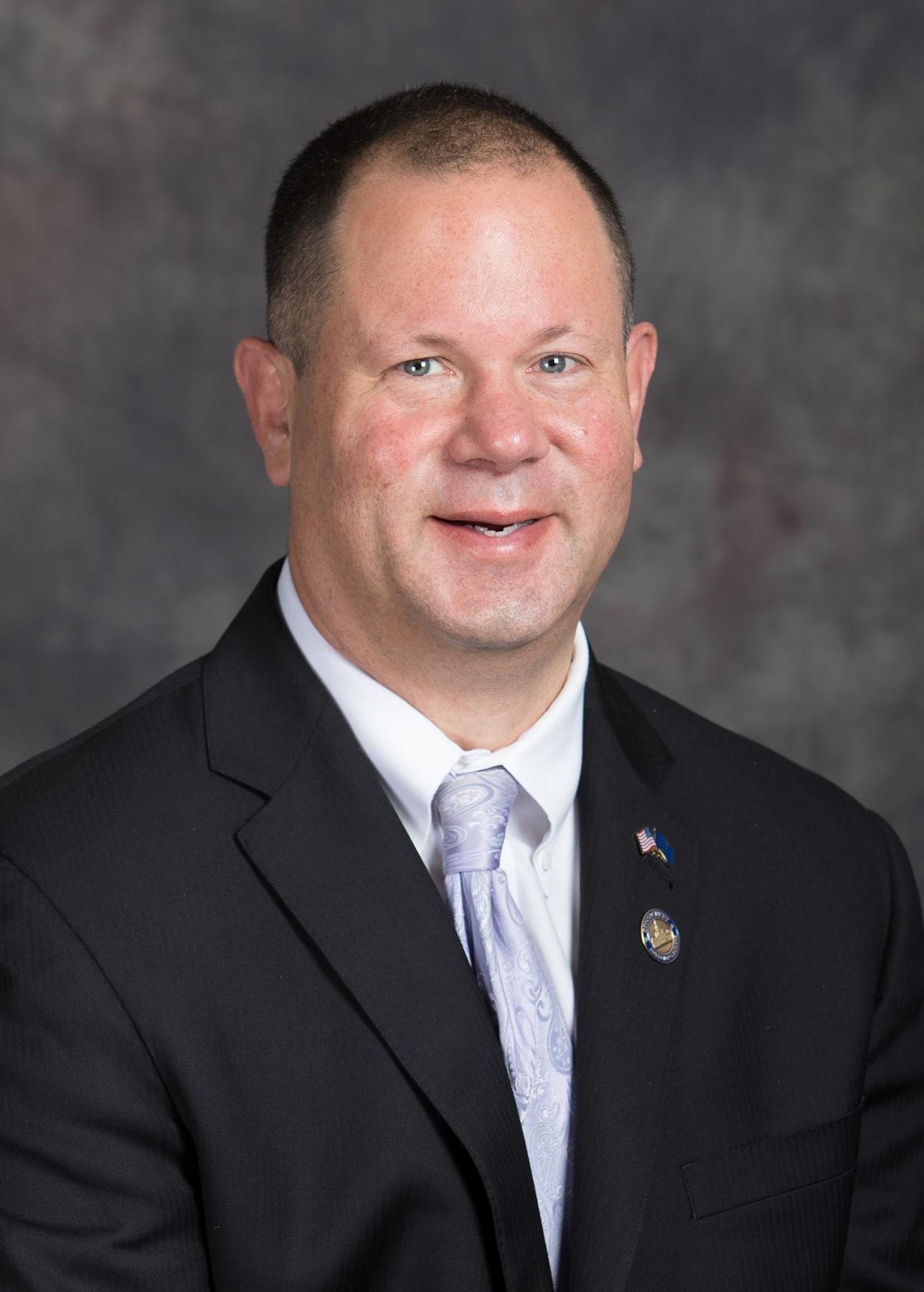
Rep. Craig Fishbein
Sponsored bills
Maddy summaryHB 5313 protects students' rights to free speech, assembly, and press in public schools, colleges, and universities across the state. It ensures students cannot be penalized for expressing religious or political views - unless the speech is obscene (for minors), libelous, slanderous, or creates a clear and present danger of unlawful acts or school disruption. The bill amends statutes 10 and 10a to establish these protections, explicitly limiting exceptions to the specified categories. This directly affects all students in public educational institutions by clarifying their rights to express viewpoints without discrimination based on content. The law focuses on concrete policy changes, not outcomes or political advocacy.
Maddy summaryHB 5314 would allow school districts to choose not to follow the Common Core State Standards for their curriculum. It amends state law to permit local school boards to adopt alternative standards instead. The bill directly affects public school districts by giving them legal authority to develop their own curriculum frameworks. This is a procedural change that modifies existing statutes to enable district-level curriculum decisions. The policy change is limited to permitting opt-outs without requiring districts to adopt specific alternative standards.
Maddy summaryHB 5351 establishes a working group to study the costs to Connecticut state and local governments for providing specific services to undocumented immigrants, including education, language courses, and Medicaid. The bill does not change existing policies but directs the group to gather data on these expenses. It is a procedural measure focused solely on research, not on altering service access or funding. The working group will report findings to the legislature, with no immediate policy changes proposed.
Maddy summaryHB 5344 would amend state law to allow students to be exempt from school vaccine requirements based on moral or philosophical objections, in addition to existing medical exemptions. This directly affects students enrolled in public and private schools who would no longer need medical documentation to avoid required vaccinations. The bill specifically adds "moral or philosophical objection" as a statutory exemption category under existing immunization rules (section 10-204a). It does not change medical exemption processes or requirements for students with health conditions. The change would apply uniformly across all schools in the state.
Maddy summaryHB 5356 would end the requirement for the state to follow California's vehicle emission standards and instead mandate that all vehicle emission standards align with those set by the U.S. Environmental Protection Agency (EPA). This bill directly affects the state's regulatory approach to vehicle emissions, impacting car manufacturers selling in the state and the state's environmental compliance framework. The key provision repeals the existing law requiring adherence to California standards and substitutes it with EPA standards as the baseline. This change would simplify compliance for automakers operating in the state but shifts oversight from California's more stringent rules to federal standards.
Maddy summaryConnecticut's HB 5359 would end the state's participation in the National Popular Vote Interstate Compact (NPVIC) by repealing the statute (section 9-175a) that joined the agreement. This compact is an agreement among states to award all electoral votes to the candidate who wins the national popular vote. The bill directly affects Connecticut's electoral process by removing its commitment to follow the national popular vote outcome for presidential elections. The key mechanism is the repeal of the existing law that implemented Connecticut's participation in the compact.
Maddy summaryHB 5375 increases penalties for intentionally harming police dogs during volunteer search/rescue operations and adds penalties for harassing police dogs confined in vehicles. It also allows emergency medical personnel to treat and transport injured police dogs under specific circumstances and creates a grant program to provide canine officers with body armor. The bill directly affects police departments (through new grant access) and the public (by establishing clearer penalties for harming police dogs). It focuses on concrete safety measures for law enforcement canines without altering broader policy.
Maddy summarySB 656 requires election registrars to send confirmation notices to the residential address of every voter who cast an absentee ballot after an election. The bill mandates that registrars verify whether the address provided on the absentee ballot application matches where the voter actually resides. This applies directly to all absentee voters and election officials responsible for processing ballots. The key mechanism is a post-election verification step to ensure absentee ballot addresses are accurate, as stated in the bill's purpose.
Maddy summarySB 664 requires the Connecticut General Assembly to approve (via a two-thirds vote) any governor's emergency declaration for public health or civil preparedness emergencies. It allows any legislator to trigger this vote, directly affecting governors who issue such declarations and legislators who must vote on them. The bill changes existing law by adding a legislative check: governors can no longer renew emergency declarations without the General Assembly's formal approval. This aims to restore legislative oversight over emergency powers, ensuring broader consensus before extended emergency measures take effect.