

Maddy summaryThis bill modifies Connecticut's licensing requirements for youth camps operated by the Civil Air Patrol. It requires all such camps to obtain a license (with reduced fees for nonprofits or short-duration camps) and mandates comprehensive background checks for staff working with children, including criminal history, child abuse registry, and sex offender registry checks. The law allows provisional hiring during background checks if supervised by pre-screened staff and gives the commissioner authority to deny licenses based on specific criminal convictions related to child harm. It directly affects Connecticut Wing Civil Air Patrol youth camp operators, staff, and participants by establishing standardized safety protocols.
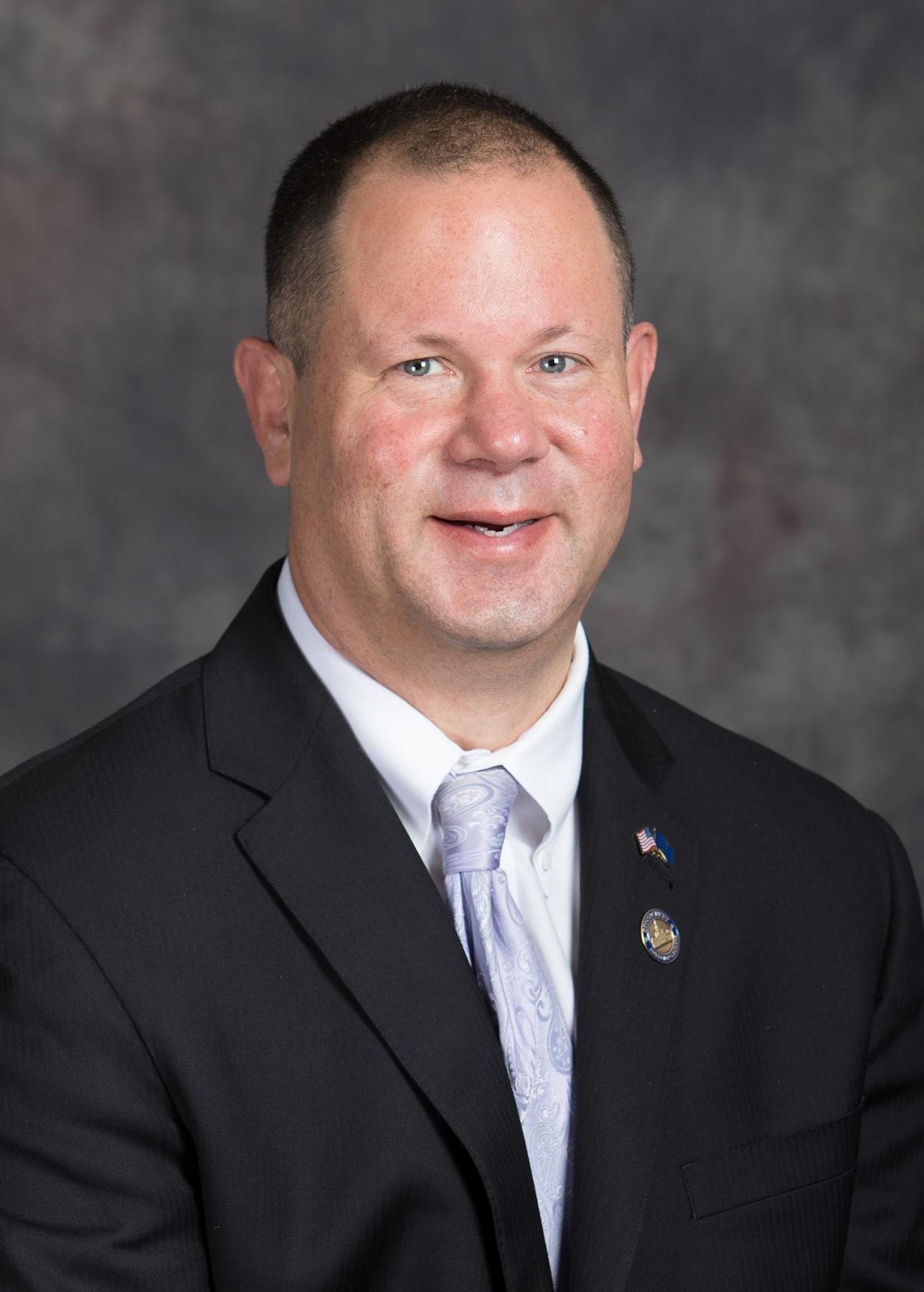
Rep. Craig Fishbein
Sponsored bills
Maddy summaryHB 5361 requires farm wineries in the state to source at least 20% of the fruit used for wine production from their own premises or land under their control. This rule applies directly to farm winery permittees who manufacture wine, replacing previous requirements with a specific percentage-based sourcing standard. The bill mandates that this 20% average must be calculated from the farm winery's two largest annual fruit crops over the past five years (or three tons of grapes per acre for the first seven years of operation). It does not change existing rules about wine sales, shipping, or tax obligations, focusing solely on the origin of the fruit used in production.
Maddy summaryHB 6735 prohibits foreign governments and certain entities from China or Russia from owning, possessing, or acquiring property within a three-mile radius of military installations or agricultural land in the state. It requires buyers to submit a sworn affidavit confirming they are not restricted foreign entities and mandates foreign principals to notify the Adjutant General 30 days before purchasing near military sites. Violations may result in property forfeiture, with the state able to seize and sell the property, applying proceeds to liens, fines, or returning funds to the original owner. The law directly affects Chinese and Russian government entities, political parties, and corporations operating under their control seeking to buy such properties.
Maddy summaryHB 5113 requires all public colleges and universities in the state that offer on-campus housing to provide students with a substance-free housing option starting fall 2025. "Substance-free housing" means students agree to keep their rooms free of alcohol and drugs, as currently offered by some institutions. The bill formalizes this existing practice without creating new costs for the state or municipalities. It directly affects public higher education institutions with residential facilities, ensuring all students have this housing choice.
Maddy summarySB 17 provides funding to reimburse Connecticut municipalities for increased election administration costs resulting from early voting. It appropriates money from the General Fund for the 2025-2026 fiscal year to cover expenses municipalities incur when implementing early voting. The bill directly affects all municipalities that administer elections and must pay for early voting infrastructure, staffing, or other related costs. This is a reimbursement mechanism, not a new voting requirement, designed to offset existing cost increases.
Maddy summaryHB 7211 prohibits Connecticut law enforcement officers from detaining individuals based solely on a federal immigration detainer (a request from ICE or DHS to hold someone for immigration enforcement). It requires a judicial warrant, a class A or B felony conviction, or a federal terror database match for detention to be permitted. This applies to police departments, correctional facilities, bail commissioners, and school security personnel. The law, effective October 1, 2025, aims to limit state resources from being used for federal immigration enforcement without court oversight.
Maddy summaryHB 6491 prioritizes allocation of rental assistance vouchers to individuals planning to use them in municipalities that have not met a 10% threshold for the affordable housing appeals procedure exemption. The bill requires the housing commissioner to focus voucher distribution on these underserved areas to promote housing choice and encourage use of the program in communities where it has historically been underutilized. Key provisions include directing the commissioner to affirmatively seek full annual expenditure of funds and establish rent levels that support broader program use across all municipalities. This change takes effect October 1, 2025, directly affecting voucher recipients and local housing markets in qualifying municipalities.
Maddy summaryHB 5787 allows veterans and members of the U.S. Armed Forces to seek reimbursement from Connecticut's Department of Veterans Affairs for the membership fee paid to join the Military Order of the Purple Heart (MOPH). Specifically, those who join a MOPH chapter to obtain a special license plate recognizing the organization (issued on or after July 1, 2025) can apply for reimbursement of the membership cost, currently $200 for a lifetime membership. The Commissioner of Veterans Affairs must process applications within 60 days and provide reimbursement if approved. This policy change directly affects eligible veterans and military members who choose to join MOPH to qualify for the special plate.
Maddy summarySB 647 establishes a systems benefits charge to fund energy affordability programs, directly affecting all electricity customers in Connecticut. The bill requires the Public Utilities Regulatory Authority to set this annual charge (effective July 1, 2025), with funds directed to specific programs like Operation Fuel for energy assistance, hardship protection measures, low-income conservation initiatives, and energy efficiency programs. It replaces an older funding mechanism and specifies exact allocations, including $2.1 million annually for energy assistance (with $200,000 for administrative costs). The bill does not change electricity rates but redirects existing funding to support vulnerable households and energy programs.
Maddy summaryHB 6455 requires the Department of Energy and Environmental Protection (DEEP) to obtain a party's consent before modifying or canceling a consent order, particularly for land remediation projects. It mandates that both DEEP and the involved party must agree to any changes in cleanup requirements for contaminated land. The bill also allows either party to seek court action to resolve disputes over consent order terms, without affecting other legal remedies available under state law. This directly affects businesses, developers, or individuals who have entered into environmental cleanup agreements with DEEP.