

Maddy summaryThis bill requires state agencies to create a streamlined process that helps children enrolled in the HUSKY A health program easily access other nutrition benefits like WIC and SNAP. Starting in January 2025, the Departments of Public Health, Social Services, and Agriculture must work together to simplify enrollment, provide clear fact sheets, and make application forms available online and by phone. The legislation also directs these departments to coordinate specifically for children over six who are transitioning from the WIC program to SNAP, while prohibiting the governor from reducing funding for these specific nutrition programs.
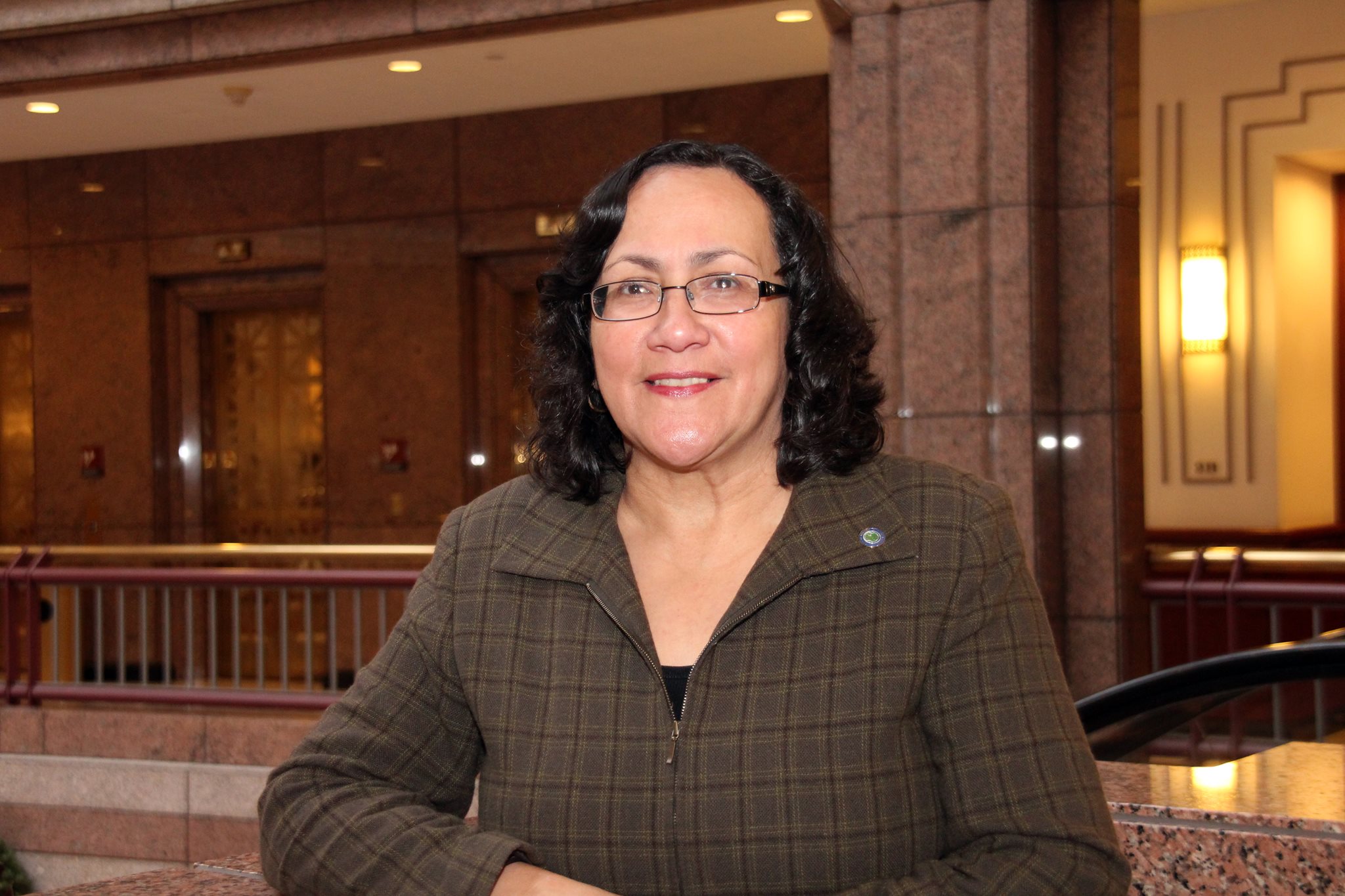
Rep. Hilda Santiago
Sponsored bills
Maddy summaryThis bill directs the Commissioner of Social Services to cover biomarker testing for Medicaid recipients to help diagnose, treat, and monitor various diseases. The law defines biomarker testing as the analysis of a patient's biological samples to identify specific indicators related to their health condition. Coverage will be approved if there is scientific evidence supporting the test, such as FDA approval, Medicare coverage, or recommendations from independent medical guidelines. Additionally, the bill establishes an online system allowing patients and providers to request exceptions to prior authorization rules for these tests.
Maddy summaryThis bill establishes new rules for wheelchair dealers in the state to ensure timely repairs and better customer service for people who use wheelchairs. Effective October 1, 2024, dealers selling or leasing wheelchairs must fix them within ten days of a request and provide home repairs for specialized medical wheelchairs upon demand. The law also requires dealers to maintain a phone line for repair requests, respond within one business day, and keep enough parts in stock to complete repairs efficiently. Dealers can charge fees for out-of-warranty repairs but cannot penalize customers for defects caused by abuse or neglect. Violations of these requirements will be treated as unfair trade practices and may result in penalties for those who contract with the Department of Social Services.
Maddy summaryThis bill enacts the Social Work Licensure Compact, allowing licensed social workers to practice across multiple member states with a single license. The agreement creates a shared data system to track licensure and disciplinary records, ensuring that professionals can move between states without needing separate permits for each location. It also establishes rules for holding social workers accountable in the state where their clients are located and includes provisions to support military families and facilitate telehealth services.
Maddy summaryHB 5005 requires the state Labor Commissioner to conduct a study of existing paid sick day laws and report the findings to the relevant legislative committee by January 1, 2025. The report may include recommendations for future changes to these statutes, but the bill itself does not alter current regulations or mandate new paid leave requirements. This measure is a procedural step designed to gather information and inform potential future policy decisions rather than implementing immediate changes.
Maddy summaryThis bill seeks to increase funding for the Connecticut Department of Mental Health and Addiction Services. The additional resources are intended to improve early-stage care for individuals experiencing psychotic illnesses. By directing money to this specific department, the legislation aims to enhance the availability of comprehensive treatment services for these patients.
Maddy summaryThis bill updates Connecticut's property tax laws to provide exemptions for solar projects and other renewable energy systems installed on or after October 1, 2024. It directly affects homeowners, farmers, and businesses by allowing them to exclude the value of these energy-generating installations from their property tax assessments. The law requires property owners to submit a written application to their local assessor to claim this tax benefit, ensuring the system only covers the value added by the renewable equipment itself. By repealing an older definition, the legislation clarifies and expands the scope of eligible solar technologies for tax relief across the state.
Maddy summaryThis bill allows patients in nursing homes who become ill or disabled within six days of an election to designate someone to deliver their absentee ballot to them. The designated person must sign a consent form agreeing to deliver the ballot without tampering and personally submit the application to the municipal clerk. If the application is submitted by the designated person within the six-day window, the clerk will provide the absentee voting set to that individual. This change directly affects nursing home residents and their chosen representatives, streamlining the process for these specific voters to receive their ballots.
Maddy summaryThis bill creates a state-run registry to help connect seniors and their families with qualified home care providers while improving oversight of these workers. Starting in 2025, the registry will allow users to search for caregivers based on specific skills like language proficiency and certifications, and it will also assist providers with recruitment, training, and benefits. The legislation mandates that agencies hiring home companions require new employees to complete training on recognizing and responding to harassment, abuse, and discrimination by clients. Additionally, the bill directs a state council to develop plans for better recruiting, training, and wage standards for personal care attendants to ensure higher quality care.
Maddy summaryHB 5491 establishes a new property tax exemption for Connecticut veterans who have a service-connected permanent and total disability rating from the Department of Veterans Affairs. The bill allows these veterans to exempt their primary residence from taxation, or if they lack a home, one motor vehicle garaged in the state. To qualify, veterans must submit proof of their disability rating to their local town assessor, with retroactive refunds available for up to three years if they missed the initial filing deadline. Additionally, the act modifies an existing lower-level disability exemption, increasing the property value threshold for veterans with non-permanent-and-total disabilities and adjusting amounts based on age and disability severity.