

Maddy summaryHB 5378 requires a study to determine if Connecticut can establish a state-run health insurance program (the "Connecticut Option Program") that would allow multiple employers to pool health coverage. The bill also updates definitions related to self-funded health plans shared by multiple employers (known as multiple employer welfare arrangements, or MEWAs) and other insurance terms. It does not create new programs but mandates a feasibility study by the state's insurance department. The study will examine whether such a program could provide affordable coverage options for employers and employees. This bill directly affects employers using self-funded health plans and future participants in the Connecticut Option Program, if established.
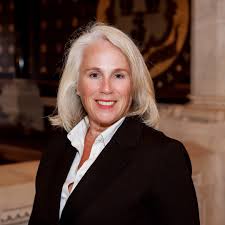
Rep. Renee Muir
Sponsored bills
Maddy summaryThis bill requires the state Medicaid program to pay for peer support services, which are recovery-focused behavioral health services provided by individuals with lived experience in mental illness or substance use recovery. Starting July 1, 2026, the Commissioner of Social Services must update Medicaid rules to include these services in care teams and begin reimbursing certified peer support specialists for their work. The law also mandates a report by August 1, 2027, detailing how many specialists receive payment, how many Medicaid enrollees they serve, and any treatment outcome data collected from their services.
Maddy summaryThis bill establishes a working group to examine the statutory roles and responsibilities of various law enforcement and public safety positions in Connecticut. The group will identify different positions performing these functions, clarify their jurisdictions, assess training and certification requirements, and recommend any necessary statutory changes. The working group includes representatives from state agencies, the police chiefs association, and legislative committee members, and must submit its findings and recommendations by January 1, 2027.
Maddy summaryHB 5156 establishes a Climate Superfund Cost Recovery Program to fund climate adaptation projects by holding fossil fuel entities accountable for historical emissions. It targets fossil fuel companies (defined as entities extracting or refining fossil fuels during 1995-2024 that caused over 1 billion metric tons of emissions) to pay into a fund, rather than using taxpayer money. The fund finances specific climate adaptation projects, including coastal wetland restoration, stormwater system upgrades, urban heat mitigation, and protecting food systems from climate impacts, with priority for environmental justice communities. Projects must align with "nature-based solutions" like green infrastructure and energy-efficient retrofits for public buildings. The program is administered by the Department of Energy and Environmental Protection, starting October 1, 2026.
Maddy summaryHB 5144 appropriates funds to cover the cost difference between federal reimbursement rates for reduced-price school meals and full-price meals. It directly affects public school districts participating in federal meal programs by allowing them to provide free breakfasts to all students and free lunches to students already eligible for reduced-price meals. The bill’s key mechanism is reimbursing districts for the gap between what the federal government pays and the actual cost of serving these meals. This policy change ensures schools can maintain these meal programs without charging eligible students, as specified in the bill’s purpose statement.
Maddy summaryThis bill establishes a refundable child tax credit for families with up to three children, starting at $150 per child in 2026 and increasing to $600 per child by 2028. It phases out for higher-income households: single filers over $100,000, heads of household over $160,000, and married couples filing jointly over $200,000 (reducing by 5% for every $1,000 over these thresholds). The credit is refundable, meaning eligible families receive it even if they owe no income tax. It directly affects low-to-moderate income families with children under age 18.
Maddy summaryHB 5134 establishes a refundable child tax credit of $600 per child for families with up to three children. It directly affects low-to-moderate income households, specifically those with federal adjusted gross income under $100,000 for single filers or $200,000 for married couples filing jointly. The credit is refundable, meaning eligible families may receive the full credit amount even if it exceeds their income tax liability. This policy change reduces tax burden for qualifying families with children, using the state’s personal income tax system to provide direct financial support.
Maddy summaryHB 8002 creates a tax-advantaged savings program to help Connecticut first-time homebuyers. It allows individuals or couples to open "first-time homebuyer savings accounts" at financial institutions, with funds contributed by anyone (including employers) to cover eligible costs like down payments and closing costs for a primary residence. Account holders must submit tax returns with account details to claim a state tax deduction or credit, and funds must be used exclusively for qualifying home purchases. The program applies only to one-to-four family residences purchased as primary homes in Connecticut, effective January 2026.
Maddy summaryHB 8003 temporarily adjusts the state's budget reserve fund to allocate new funds covering reductions in federal funding. It directly affects state agencies and programs that rely on federal grants, ensuring continued operations despite decreased federal support. The bill authorizes the use of reserve funds to maintain essential services without requiring new tax revenue or spending cuts. This legislation became law as Special Act 25-1 after the governor signed it on November 18, 2025.
Maddy summaryHB 8004 requires a committee to study current children's behavioral health services (including crisis centers, referrals, and resource allocation) and report by 2027 on improving service delivery. It directs state agencies to use federal grant funds to develop new payment models for behavioral health care, including outcome-based incentives for providers. The bill also mandates school-based health centers to improve data collection on service needs, with a 2027 report to the legislature. These provisions directly affect children with behavioral health needs, their families, and providers receiving state or federal funding.