

Maddy summarySB 410 would allocate an unspecified amount of state funds from the General Fund to the Department of Public Health for fiscal year 2026. The funds would specifically pay for sign language interpreter services at Alcoholics Anonymous (AA) and Narcotics Anonymous (NA) meetings. This bill directly affects Deaf and hard-of-hearing individuals seeking recovery support by improving access to these meetings. It is a funding measure to support existing accessibility needs, not a new requirement for meeting organizers.
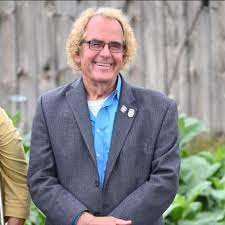
Rep. Tom Delnicki
Sponsored bills
Maddy summarySB 446 prohibits pharmacy benefits managers (PBMs) from charging pharmacies post-transaction fees or clawbacks, requiring them to pass drug rebates directly to patients at checkout. It bans PBMs from tying their compensation to medication costs, charging for formulary placement, or favoring more expensive drugs over cheaper clinically appropriate alternatives. The bill also mandates that group purchasing organizations contracting with PBMs must be U.S.-incorporated and disclose all fees, while the Attorney General will enforce compliance and oversee PBM operations. This directly affects pharmacies, patients, and PBMs by restructuring how drug costs and rebates are handled in the state.
Maddy summarySB 452 pauses long-term care insurance premium increases for four years and requires public hearings for rate hikes exceeding 5%. It also creates a personal income tax deduction for policyholders whose premiums rose more than 5% in a year. The bill establishes a task force to study industry costs, explore alternatives like state-funded insurance pools, and recommend ways to improve affordability. These changes directly affect individual long-term care insurance policyholders facing rate increases.
Maddy summarySB 482 requires Connecticut's Healthcare Advocate to create an online portal where patients can access hospital financial assistance programs and learn about the state's medical debt erasure initiative. It mandates that hospitals with financial assistance programs must provide the Advocate with a link to their program's website. The bill directly affects patients seeking financial help with medical costs and hospitals operating such programs. Key provisions include developing the centralized portal, posting debt erasure information online, and requiring hospitals to share their program links. This aims to increase awareness and access to financial assistance resources.
Maddy summarySB 497 allows cities and towns to create their own rules for truck traffic on local streets and highways without needing prior approval from the state traffic agency. This directly affects municipalities (like cities and towns) and trucking operations by giving local governments more control over where and when large trucks travel in neighborhoods. Key provisions require local regulations to meet state-set criteria, including protecting residential areas, improving air quality, and ensuring safe distances from schools. The state will define these safety and environmental standards, shifting authority from the state to local communities for managing truck routes.
Maddy summarySB 431 requires all alcoholic liquor containers sold in the state to display a clear warning label stating that alcohol consumption increases the risk of certain cancers. This affects alcohol manufacturers, retailers, and consumers by mandating new labeling on every bottle or can. The bill directly amends state law to add this health warning to product packaging, similar to existing tobacco warnings. It does not restrict alcohol sales or consumption, only requires the disclosure of the cancer risk. The bill's purpose is to inform consumers about this specific health risk associated with alcohol use.
Maddy summarySB 31 allocates $500,000 from the General Fund to the State-Wide Narcotics Task Force for fiscal year 2026. This funding directly supports law enforcement efforts targeting illegal fentanyl manufacturing and sales in Hartford, New Haven, Bridgeport, and Waterbury. The bill provides specific financial resources to the Department of Emergency Services and Public Protection for these cities' narcotics enforcement activities. It does not create new laws but directs existing state resources to address fentanyl distribution in specified communities.
Maddy summarySB 16 appropriates funds from the General Fund to the Department of Education for the preapprenticeship grant program through fiscal year 2026. It directly affects students who successfully complete preapprenticeship training programs by guaranteeing each such student receives at least $1,000. The key mechanism requires the state to fully fund the program, ensuring participants get a minimum cash award upon completion. This bill focuses on providing concrete financial support to students entering skilled trades, not on broader policy changes.
Maddy summaryThis bill updates Connecticut's human services laws to improve how the state coordinates care for people with disabilities and manages funding for facilities serving individuals with intellectual disabilities. It establishes an interagency committee to review services and requires the Department of Social Services to maintain an online directory of available disability resources. Additionally, the legislation sets specific rules for calculating operating costs and rate adjustments for intermediate care facilities, including caps on daily rates and guidelines for inflation adjustments. These changes directly impact state agencies responsible for delivering services and the facilities that provide care to residents with disabilities.
Maddy summaryThis bill reorganizes fire safety oversight by creating a new Division of Fire Services Administration within the Department of Emergency Services and Public Protection, which will consolidate existing fire-related offices. It also changes how the Commission on Fire Prevention and Control is formed, shifting from a purely governor-appointed body to one where members are selected by the governor, legislative leaders, and various fire service associations. Additionally, the legislation establishes a working group to study the division's operations and includes stricter background requirements for the deputy commissioner leading the emergency management division.