

Maddy summaryHB 6920 requires emergency medical providers - including emergency department physicians, physician assistants, advanced practice nurses, and emergency medical services personnel - to follow patient-specific emergency care protocols for individuals with rare diseases or special health care needs. These protocols must be developed by the patient’s regular physician, physician assistant, or advanced practice nurse and provided to the emergency provider by the patient or their parent, guardian, caregiver, or legal representative. The law applies to all relevant emergency care settings and takes effect on October 1, 2025. It has no anticipated fiscal impact, as it mandates adherence to existing patient-specific plans rather than creating new requirements.
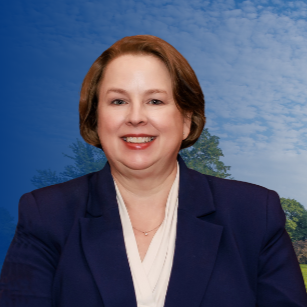
Rep. Sarah Keitt
Sponsored bills
Maddy summaryHB 6182 extends financial aid for foster youth pursuing college or vocational training. It directly affects foster youth committed to the Department of Children and Families who meet program requirements. The bill increases the age for initial funding eligibility from 21 to 26 years and extends the completion deadline from 23 to 28 years. Additionally, it requires youth to apply for federal student aid and other scholarships each year to maintain funding, without changing case management services for older youth.
Maddy summarySB 1352 updates the definitions section of the state's energy efficiency code (replacing Section 16a-48) to clarify terms for lighting, refrigeration, HVAC equipment, and other energy-related products. It defines specific items like "commercial refrigerators," "fluorescent lamp ballasts," "low-voltage dry-type transformers," and "traffic signal modules" to ensure consistent application of existing efficiency standards. The bill does not establish new requirements but revises terminology to improve clarity for manufacturers, regulators, and building codes. The changes take effect October 1, 2025, and directly affect entities selling, installing, or regulating these energy-consuming products.
Maddy summarySB 1366 requires pharmacy benefits managers (PBMs) to disclose prescription drug costs and lower-cost alternatives to patients, prohibiting contracts that penalize pharmacists for sharing this information. It establishes a fiduciary duty for PBMs to prioritize the interests of health plans, pharmacies, and patients, and mandates annual reporting of rebate practices by health carriers. The bill directly affects pharmacists (by allowing cost transparency), patients (through clearer pricing), and PBMs (by imposing new duties and reporting rules). Key provisions include banning contract terms that restrict cost-sharing disclosures (effective 2018), requiring PBMs to avoid conflicts of interest (effective 2025), and mandating rebate reports to the Insurance Commissioner (starting 2021). These changes aim to increase transparency in drug pricing and pharmacy benefit management.
Maddy summaryHB 5026 exempts the sale, storage, use, and consumption of aircraft weighing less than 6,000 pounds (maximum certificated takeoff weight) from state sales and use taxes. This change directly affects owners, buyers, and sellers of small aircraft, such as personal or small business planes. The bill amends existing tax law to create a uniform exemption for this category of aircraft, removing a tax burden previously applied to their purchase and use. It does not apply to larger aircraft or other taxable items.
Maddy summaryHB 5986 establishes a refundable child tax credit of $600 per child (up to three children) against personal income tax. It directly affects low-to-moderate income families filing taxes, specifically those with federal adjusted gross income under $100,000 for single filers or $200,000 for married couples filing jointly. The credit is refundable, meaning eligible families receive the full amount even if their tax liability is zero. This policy provides direct cash support to qualifying households with children, reducing their overall tax burden.
Maddy summarySB 568 establishes a state task force to develop a comprehensive plan aimed at reducing preventable illnesses and deaths caused by venous thromboembolism (VTE), a condition involving dangerous blood clots. The task force will coordinate with health experts and stakeholders to create a statewide strategy, though the bill itself does not implement new regulations or funding. This procedural bill affects all residents by setting up a process to address VTE, which contributes significantly to hospital complications and mortality. The bill’s focus is solely on developing the plan, not on mandating specific actions.
Maddy summaryHB 5170 prohibits state institutions of higher education from charging students fees that aren't part of tuition or room/board costs, and requires all fees to be disclosed before enrollment deposits are paid. It also mandates that institutions return unspent meal plan funds to students at the end of each academic semester. The bill directly affects all students enrolled at public colleges and universities in the state, ensuring greater transparency and refunds for unused meal plan balances. It takes effect on July 1, 2025.
Maddy summaryHB 6916 bans the use of neonicotinoid pesticides on most public and private turf (like golf courses, lawns, and municipal properties) and for corn, wheat, and soybean crops starting January 1, 2028. It also prohibits selling or distributing neonicotinoid-treated agricultural seeds for these crops after January 1, 2029, unless a waiver is granted. The bill allows temporary exceptions for environmental emergencies (approved by the Environmental Protection Commissioner) and requires farmers seeking waivers for seed treatments to undergo pest risk assessments, complete integrated pest management training, and prove less harmful alternatives aren't feasible. These provisions directly affect property managers, municipalities, and farmers in Connecticut.
Maddy summaryHB 6811 establishes a pilot program to prevent the "benefits cliff," where low-income individuals or families suddenly lose critical public benefits (like healthcare or housing assistance) when their income rises slightly above a threshold. It requires state agencies - including Social Services, Early Childhood, Labor, and Housing - to collaborate on this program based on recommendations from a prior report (Special Act 24-8). The pilot will test strategies to phase out benefits gradually as income increases, ensuring continued support without abrupt cuts. This directly affects low-income residents in Connecticut who rely on public benefits but face financial instability due to current eligibility rules.