

Maddy summaryHB 5001, now Public Act 25-67, updates Connecticut's standards for special education services to improve quality and accessibility. It directly affects students with disabilities, their families, and school districts by establishing new requirements for service delivery and accountability. The bill includes specific provisions for individualized education program (IEP) reviews, staff training, and parent communication protocols. While the exact mechanisms aren't detailed in the provided context, the law mandates these structural changes to enhance support for students. As a substantive law, it replaces prior requirements for special education services across Connecticut public schools.
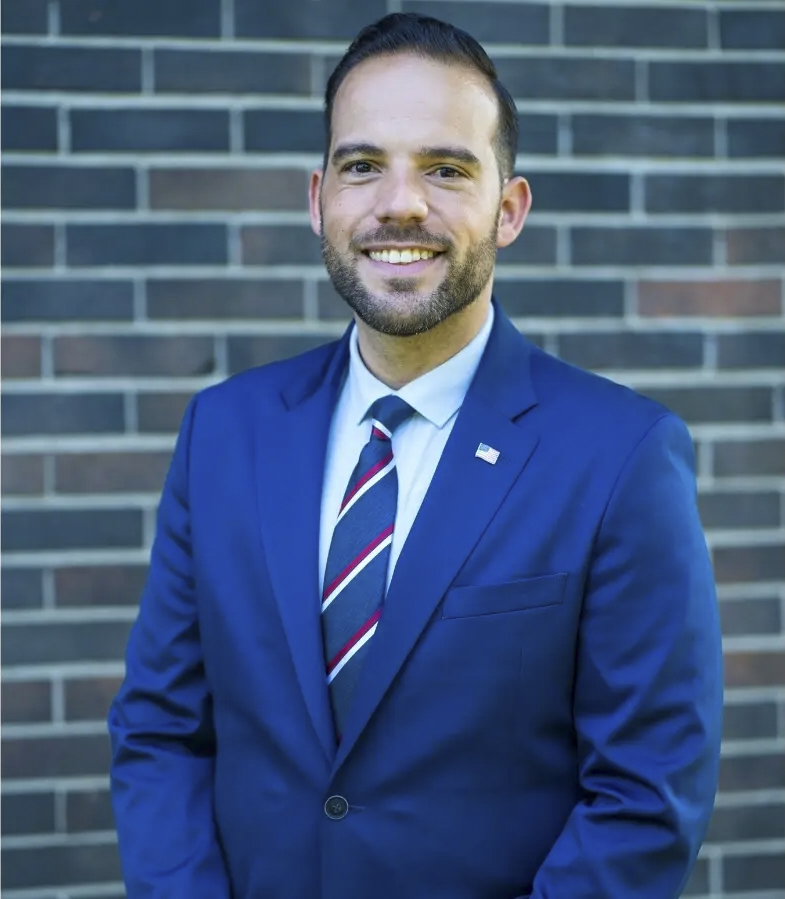
Rep. Farley Santos
Sponsored bills
Maddy summaryHB 5111 requires mobile manufactured home park owners in Connecticut to create and publicly post an itemized list of all "ancillary fees" (such as maintenance or service fees not included in rent) by October 1, 2025. Park owners must update this list regularly and display it on their website and within the park. The bill also mandates that park owners provide residents with a plain-language disclosure statement summarizing their rights and obligations under the law, developed by the Department of Consumer Protection. This directly affects park owners (who must comply with transparency requirements) and residents (who gain clearer information about fees and their rights). The law aims to increase transparency in mobile home park billing practices.
Maddy summaryHB 5986 establishes a refundable child tax credit of $600 per child (up to three children) against personal income tax. It directly affects low-to-moderate income families filing taxes, specifically those with federal adjusted gross income under $100,000 for single filers or $200,000 for married couples filing jointly. The credit is refundable, meaning eligible families receive the full amount even if their tax liability is zero. This policy provides direct cash support to qualifying households with children, reducing their overall tax burden.
Maddy summaryHB 5957 requires the Public Utilities Regulatory Authority to review the "Combined Public Benefits Charge" on electricity bills and assess whether a 96-hour standard for power restoration after outages imposes undue costs. It directly affects electricity ratepayers by creating a tax credit for those who paid the public benefits charge and prohibits municipal tax assessors from increasing property taxes on homes with solar panels. The bill promotes shared solar/battery projects, encourages smart meter adoption, and mandates more frequent reviews of storm damage costs for ratepayers. It also requires reinvestment of funds from nuclear power plant agreements into energy programs.
Maddy summaryHB 5845 appropriates state funds to reimburse school districts for the difference between federal reimbursement rates and the actual cost of providing reduced-price lunches and free breakfasts. It directly affects school districts participating in federal meal programs, covering costs for breakfasts served at no charge to all students and lunches at no charge to students eligible for reduced-price meals. The bill provides $____ from the General Fund for fiscal year 2026 to cover this cost gap, ensuring schools aren’t financially burdened by federal reimbursement shortfalls. This is a concrete policy change to maintain meal program access without altering eligibility rules.
Maddy summaryHB 5471 would expand Connecticut's HUSKY health program to include immigrants without legal status who are 26 years old or younger, or 65 years old and older. Currently, immigration status bars these groups from the program, but the bill removes that barrier while maintaining existing income and residency requirements. It does not change other eligibility criteria but adds these specific age groups to the list of qualifying immigrants. This change would allow more low-income immigrants in these age ranges to access state-funded health benefits if they meet the program's standard requirements.
Maddy summaryHB 5430 would expand Connecticut's HUSKY Health program to cover all income-eligible children and young adults up to age 26, regardless of their immigration status. This bill directly affects low-income youth who currently face barriers to health coverage due to immigration status. The key change is removing immigration status as a requirement for eligibility under HUSKY Health, ensuring income-eligible young people can access state-funded health coverage. The bill amends Title 17b of Connecticut's general statutes to implement this change.
Maddy summaryHB 5222 creates special "Donate Life" license plates for vehicle owners who choose to purchase them. A fee charged for these plates covers administrative costs and provides funding to a state nonprofit focused on organ and tissue donation. The bill aims to raise public awareness about the importance of organ and tissue donation through this voluntary plate program.
Maddy summaryHB 5106 would allow Connecticut public school students in grades K-12 to miss school for Three Kings Day without it counting as an unexcused absence. The bill requires the State Board of Education to update school absence definitions to specifically include Three Kings Day as an excused absence. This change directly affects students, families, and schools by formally recognizing the cultural and religious observance. The bill does not alter school schedules or funding, only updating absence policy to align with the holiday's significance.
Maddy summaryThis bill authorizes the State Bond Commission to issue up to $100.1 million in state bonds to fund various construction, renovation, and improvement projects for state agencies. The funds are designated for specific initiatives, including repairs to the State Capitol, environmental cleanup at a former school, upgrades to department buildings, and the development of a secure residential treatment center. The legislation requires that requests for these funds be submitted by state officials and allows the bonds to mature over a period of up to twenty years. Additionally, the bill permits the use of federal, private, or other available money alongside state bond proceeds for these projects.