

Maddy summaryHB 5093 increases the state's base funding for public schools from $11,525 to $18,681 per student over five years, with automatic annual adjustments for inflation. This change directly affects local school districts and municipalities, as it increases state education grants (equalization aid) that school districts receive. The bill allows towns to lower property tax rates by the exact amount of the increased state funding, reducing the tax burden on homeowners. It aims to provide immediate property tax relief by aligning local tax revenue reductions with the new state grant levels. The policy change is triggered solely by the increased state funding, without requiring new local tax revenue.
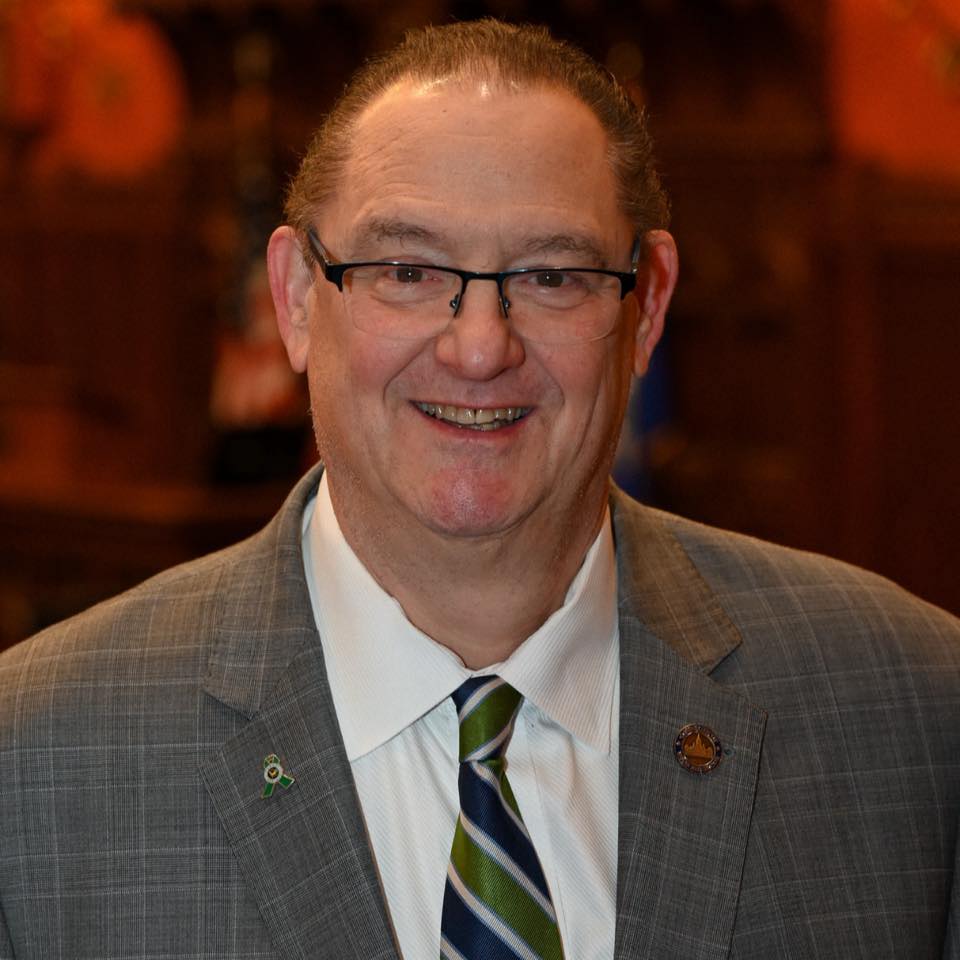
Rep. Mitch Bolinsky
Sponsored bills
Maddy summaryHB 5079 repeals a $5 annual fee called the "Passport to the Parks" that was added to motor vehicle registrations. This change directly affects all vehicle owners in the state who previously paid this fee when registering their cars. The bill simply removes the fee from the law, eliminating the charge without creating new programs or requirements. It does not alter park access or funding mechanisms, only eliminating the registration fee. The bill is procedural and focuses solely on removing this specific fee from statute.
Maddy summaryHB 5049 allows taxpayers to voluntarily pay more than the amount owed on their personal income tax return. The bill amends Chapter 229 of the general statutes to permit this additional payment without requiring a specific reason. It directly affects individual taxpayers who choose to make extra payments toward their state income tax liability. This is a procedural change enabling voluntary overpayment, not a new tax or benefit.
Maddy summaryHB 5053 would create a tax credit for Connecticut taxpayers who donate to charities based in Connecticut. This credit would allow donors to reduce their state income tax bill by a portion of their donation amount. The bill specifically applies to donations made to charities headquartered or operating within Connecticut. It does not alter existing charitable deduction rules but provides a new credit for qualifying in-state donations.
Maddy summaryHB 5051 would allow Connecticut taxpayers to deduct tips or gratuities and overtime pay from their state personal income tax, but only for amounts already deductible on federal income tax returns. This directly affects service industry workers (like servers or hospitality staff) and employees who regularly earn overtime, potentially reducing their state tax burden. The bill’s key mechanism is aligning Connecticut’s tax deduction with federal tax rules, meaning the state would mirror the federal treatment of these income types. It does not create new deductions but expands existing federal-eligible deductions to state tax filings. The bill is sponsored by Representatives Carney, Pavalock-D’Amato, Polletta, and Vail.
Maddy summaryHB 5050 increases the sales price threshold for motor vehicles subject to a 7.75% sales and use tax rate from $75,000 to "more than $75,000." This means vehicles priced at or below $75,000 will continue to pay the standard tax rate, while only vehicles costing over $75,000 will be taxed at the higher rate. The bill directly affects buyers of high-end vehicles, as it changes which vehicles qualify for the elevated tax rate. The change modifies the existing tax structure without altering the tax rate itself.
Maddy summaryHB 5052 would allow Connecticut taxpayers to deduct charitable contributions they already reported on their federal income tax returns from their state personal income tax. The deduction applies only to gifts claimed on federal returns, matching the amount reported to the IRS. This would reduce the state tax burden for eligible taxpayers who itemize deductions on their federal returns. The bill does not alter federal deduction rules or create new charitable giving incentives.
Maddy summaryHB 5055 would exempt health and athletic club services from state sales and use taxes. This bill directly affects health clubs, gyms, and athletic facilities by removing a tax they currently pay on membership and service fees. The key mechanism is amending Chapter 219 of the general statutes to explicitly exclude these services from taxable items. The change would reduce costs for these businesses and their members without altering existing tax rates for other goods or services.
Maddy summaryHB 5007 requires the state to fully reimburse municipalities for revenue lost when veterans qualify for a property tax credit under subdivision (83) of section 12-81 of the general statutes. This directly affects municipalities that administer the veterans' property tax exemption, which reduces local tax revenue. The bill's key mechanism is a state-funded reimbursement to offset the financial impact of the exemption. It does not change the veterans' tax credit itself but ensures municipalities are compensated for the revenue loss. (Bill: HB 5007, LCO No. 288)
Maddy summaryHB 5006 eliminates a 1% sales and use tax on meals sold by restaurants, caterers, and grocery stores. The bill directly affects these businesses by removing an additional tax on food sales, reducing their operational costs. Key provision: it amends tax law to remove the specific 1% surcharge applied to meals at these establishments. The purpose is to simplify the tax structure for food service providers without changing general sales tax rates. This is a direct policy change affecting food retailers and their customers through lower prices.