

Maddy summaryHB 5327 requires schools to verify if job applicants are under investigation for abuse, neglect, or sexual misconduct before hiring staff with direct student contact. It applies to all public and charter schools, as well as nonpublic school operators. The bill mandates applicants to provide written authorization allowing schools to contact prior employers about pending investigations and requires employers to respond within 5 business days. Schools must also check with the state education department about any open cases involving applicants.
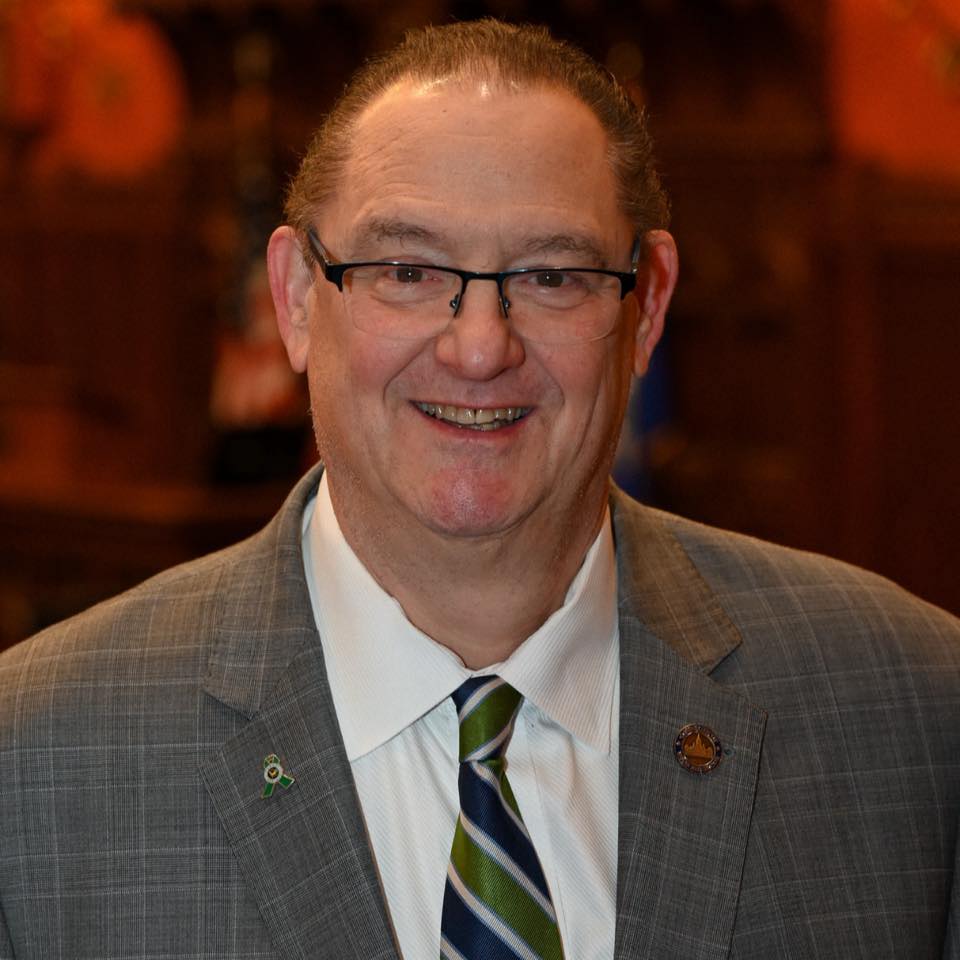
Rep. Mitch Bolinsky
Sponsored bills
Maddy summaryThis bill establishes a new grant program to help municipalities and the Department of Emergency Services and Public Protection pay for training police officers in impaired driving enforcement and drug recognition. The program allows these entities to receive funding either to reimburse costs for training already completed on or after July 1, 2026, or to pay for future training sessions. Additionally, the bill changes how certain cannabis taxes are distributed, directing five percent of tax revenue from fiscal years 2027 and 2028 onward into a dedicated account that will fund this training program. The Secretary of the Office of Policy and Management will manage the grants and submit annual reports to the legislature starting in 2028.
Maddy summarySB 372 establishes new licensing and background check requirements for all Connecticut youth camps. Camp operators must pay annual fees (up to $815 for for-profits, $315 for nonprofits) and conduct comprehensive background checks for all staff working with children, including criminal history, child abuse registry, and sex offender registry checks. Staff may work provisionally during background checks but must complete full checks within five years and renew them every five years. The commissioner can deny or revoke licenses for operators or staff with certain child-related criminal convictions, such as felonies involving child abuse or harm.
Maddy summaryHB 5404 establishes a new job classification for part-time fire service instructors within the state's fire services department. The bill requires the Commissioner of Administrative Services, in consultation with the Commissioners of Emergency Services and the State Fire Administrator, to define this classification by October 1, 2026. This classification will set clear standards for the role, responsibilities, and compensation of part-time instructors who train firefighters. The change directly affects part-time fire service instructors and the state agencies that employ them.
Maddy summaryHB 5303 allows licensed dental hygienists with at least two years of experience to provide dental hygiene services (like cleanings, sealants, and preventive care) in private residences, expanding where they can work beyond public health facilities. It requires hygienists practicing in homes to refer patients to dentists for issues outside their scope and coordinate those referrals. The bill amends existing law to clarify this new practice location, effective October 1, 2026, and directly affects qualified dental hygienists seeking to offer in-home services. This change does not alter the specific services hygienists may perform, only the permitted locations for those services.
Maddy summarySB 288 modifies rules for adding nursing home beds in Connecticut by creating specific exceptions to the existing bed moratorium. It allows new beds only for: (1) patients with AIDS or neurological rehabilitation needs, (2) continuing care facilities not using Medicaid, (3) relocating Medicaid beds per a strategic plan, (4) replacing facilities while closing existing ones, or (5) building small "nontraditional" facilities that reduce total beds. Nursing home operators seeking new beds must align with the Department of Social Services' strategic plan, prioritize person-centered care, and ensure no adverse impact on local bed availability. The bill directly affects nursing home providers applying for expansions or relocations under these new criteria.
Maddy summaryThis bill requires Connecticut municipalities to appoint agents who assist older adults with accessing community resources, benefits, and housing opportunities. Agents must be staff from senior centers or community members with aging experience, certify they have no conflicts of interest, and report any conflicts that arise during their term. Municipalities may jointly appoint agents to share costs through a formal agreement. The state Department of Aging and Disability Services must create and maintain a public directory of all appointed agents by January 2025.
Maddy summarySB 286 increases financial assistance for grandparents and other nonparent relatives legally responsible for raising children. It requires the state to pay these caregivers the same monthly rate as foster care payments per child, based on the child's age and medical needs. This change applies to families where a nonparent relative (like a grandparent) is the legal guardian. The policy takes effect July 1, 2026, and directly affects relatives raising children in foster-like care. The bill aligns state benefits for these relatives with foster care rates, ensuring equal financial support compared to unrelated caregivers.
Maddy summarySB 285 creates a tax credit for family caregivers who provide unpaid care to eligible relatives. It allows caregivers with incomes under $50,000 (individual) or $100,000 (couple) to claim a credit covering 50% of qualifying expenses - such as home modifications, medical equipment, hiring aides, or respite care - up to $2,000 annually. Expenses like general home repairs (e.g., painting, plumbing) are excluded, and the total credit pool is capped at $1.8 million per year. The credit is nonrefundable, meaning it only reduces tax liability but cannot result in a cash refund.
Maddy summaryHB 5010 would amend state tax law to exclude tips or gratuities and overtime pay from taxable personal income. This change directly affects workers who earn these specific income types, such as servers, hospitality staff, and hourly employees receiving overtime. The bill's key provision requires updating the tax code to remove these earnings from the base used to calculate personal income tax. As a result, individuals would pay income tax only on their regular wages, not on declared tips or overtime earnings.