Issue · Immigration

Immigration

Every immigration bill, vote, and legislator stance in Connecticut, automatically classified by Maddy, our AI policy reader.

Total bills
4
119th Congress
Top supporter
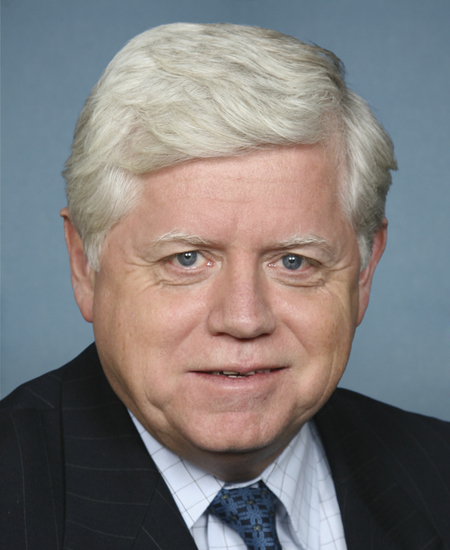
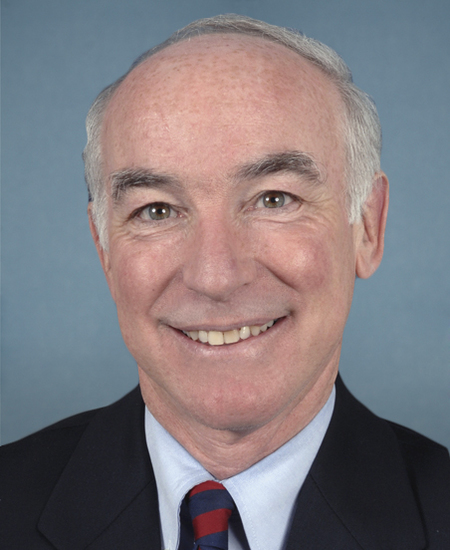
John B. Larson
81% support rate
Top opponent
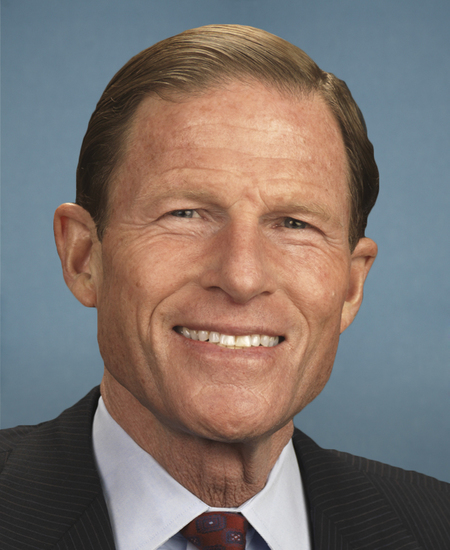
Richard Blumenthal
24% support rate
Ranked legislators
7
5 support · 2 oppose
Key legislators

Who's moving immigration in Connecticut

Legislators moving immigration in Connecticut
Legislator Party Stance Support rate Votes
John B. Larson
John B. Larson House · District 1
D
Strong +
81% 148
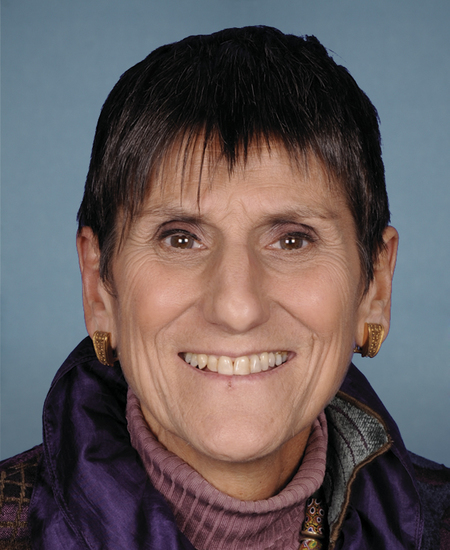
Rosa L. DeLauro
Rosa L. DeLauro House · District 3
D
Support
78% 149
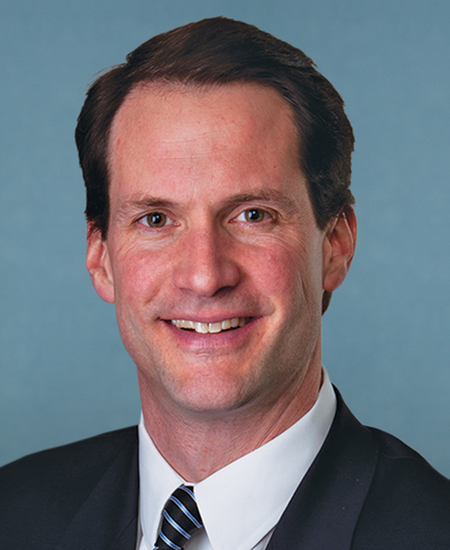
James A. Himes
James A. Himes House · District 4
D
Support
73% 149
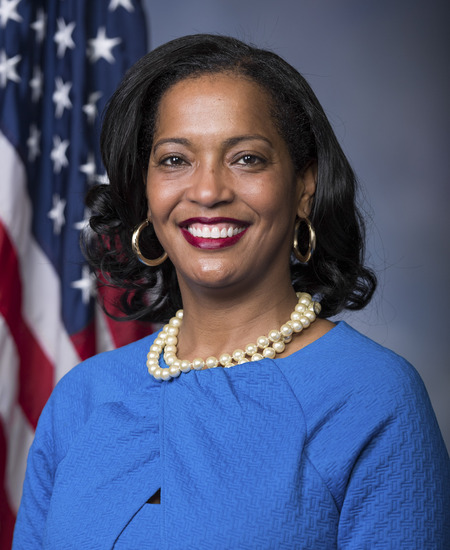
Jahana Hayes
Jahana Hayes House · District 5
D
Support
70% 150
Joe Courtney
Joe Courtney House · District 2
D
Support
68% 144
Richard Blumenthal
Richard Blumenthal Senate
D
Oppose
24% 179
Christopher Murphy
Christopher Murphy Senate
D
Oppose
30% 178
Showing 4 of 4 bills

All immigration bills

in committee · United States · Senate Jul 22, 2026

S 5094: Real Courts, Rule of Law Act of 2026

The Real Courts, Rule of Law Act of 2026 restructures the United States immigration court system by creating a new, independent judicial branch under Article I of the Constitution, separate from the executive branch. This new system consists of three divisions: an appellate division with judges appointed by the President and Senate for 15-year terms, a trial division with judges appointed by the appellate division for 15-year terms, and an administrative division that manages operations and advises on court needs. The bill establishes specific qualifications for judges, sets their salaries at levels comparable to federal district court judges, and defines their powers to conduct hearings, issue rulings, and manage court resources. Additionally, the legislation transfers all existing immigration functions from the Department of Justice to this new court system while ensuring that pending cases continue without interruption.
in committee · United States · House Feb 4, 2026

HR 7346: Drain ICE Act of 2026

HR 7346, the Drain ICE Act of 2026, repeals specific funding provisions (sections 90003 and 100052) from the "One Big Beautiful Bill Act" and cancels all unspent funds allocated under those sections. This bill directly affects ICE’s detention budget by removing existing financial authority for detention operations. It does not change immigration enforcement practices or directly impact individuals; it solely modifies budgetary allocations. The bill focuses on eliminating funding mechanisms, not on policy changes for migrants or enforcement. (Procedural bill; summary limited to 2 sentences as specified.)
in committee · United States · Senate Feb 18, 2025

S 625: Veterans Border Patrol Training Act

S 625, the Veterans Border Patrol Training Act, establishes a 5-year pilot program to train and hire transitioning military personnel as U.S. Border Patrol agents. It directs the Department of Homeland Security, working with Defense and Veterans Affairs, to use the existing Defense SkillBridge Program to prepare active-duty service members, veterans, and their spouses/dependents for Border Patrol roles. The bill requires annual reports tracking program participation by military status (active/reserve, officers/enlisted) and veteran status. The pilot program terminates 5 years after implementation. This is a procedural bill focused on creating a structured hiring pathway, not on altering border policy.
in committee · United States · Senate Dec 18, 2025

S 3571: Keeping Our Agents on the Line Act

S 3571, the "Keeping Our Agents on the Line Act," restricts U.S. Border Patrol agents to patrolling within 25 miles of the U.S. land border, prohibiting them from conducting interior arrests or operations beyond this limit without specific exceptions (like emergencies or declared disasters). It requires U.S. Customs and Border Protection to publicly report data on checkpoint encounters (including breakdowns by citizenship status) and interior arrests (including agent training and case dispositions) within 30-90 days of enactment. The bill directly affects U.S. Border Patrol agents, their operational boundaries, and individuals encountered during border patrols or interior arrests, including U.S. citizens and residents. Key mechanisms include reaffirming the 25-mile limit, banning unauthorized interior authority delegation, and mandating transparency through public data reporting.