

Issue · Healthcare
Healthcare
Every healthcare bill, vote, and legislator stance in Connecticut, automatically classified by Maddy, our AI policy reader.
Total bills
161
2026 Regular Session
Top supporter
Jason Perillo
89% support rate
Top opponent
Donna Veach
14% support rate
Ranked legislators
10
5 support · 5 oppose
Key legislators
Who's moving healthcare in Connecticut
| Legislator | Party | Stance | Support rate | Votes |
|---|---|---|---|---|

Jason Perillo
Senate · District 21
|
R |
Strong +
|
89% | 48 |
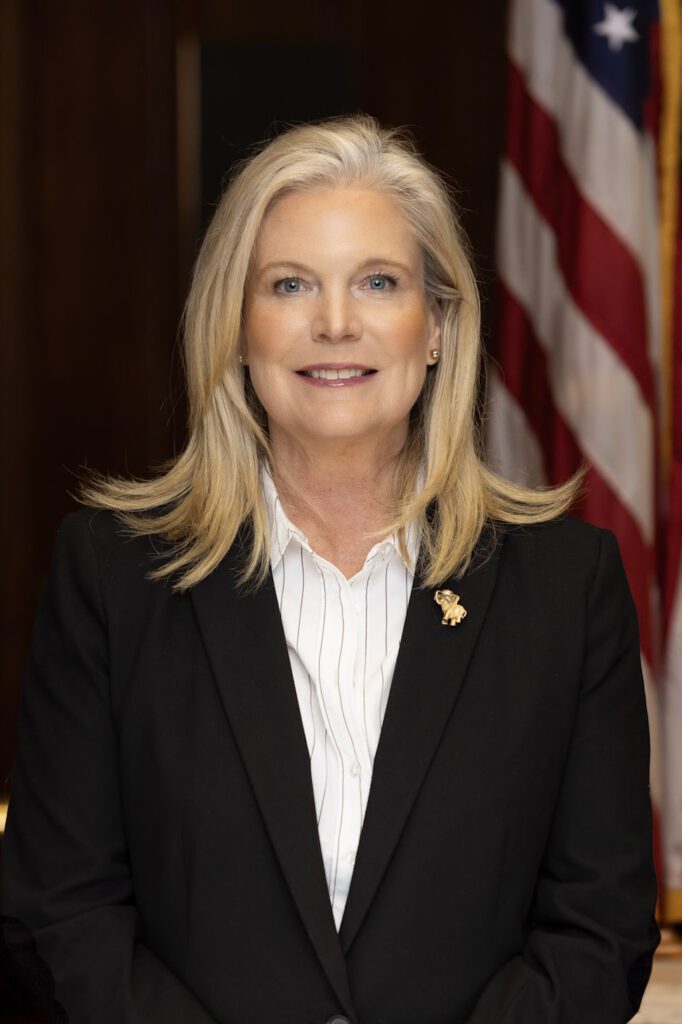
Heather Somers
Senate · District 18
|
R |
Strong +
|
84% | 48 |

Jeff Gordon
Senate · District 35
|
R |
Strong +
|
84% | 47 |
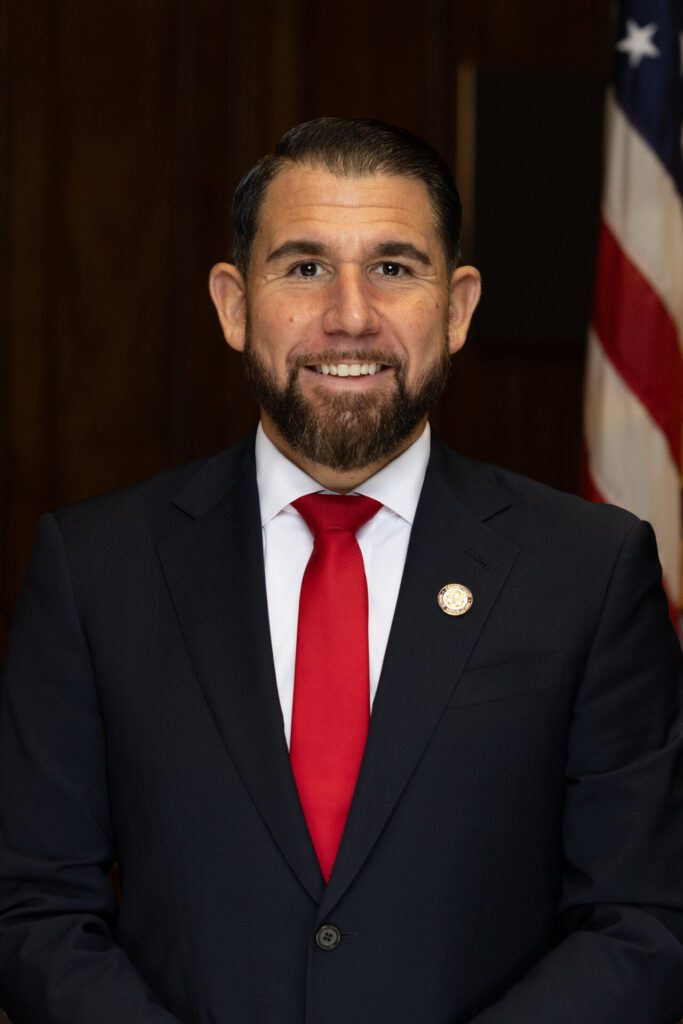
Paul Cicarella
Senate · District 34
|
R |
Strong +
|
84% | 48 |

John Kissel
Senate · District 7
|
R |
Strong +
|
84% | 47 |

Donna Veach
House · District 30
|
R |
Strong −
|
14% | 30 |

Karen Reddington-Hughes
House · District 66
|
R |
Strong −
|
14% | 30 |

John Fonfara
Senate · District 1
|
D |
Strong −
|
17% | 47 |

Matt Lesser
Senate · District 9
|
D |
Oppose
|
21% | 48 |

Saud Anwar
Senate · District 3
|
D |
Oppose
|
21% | 48 |
Showing 131–140 of 161
bills
All healthcare bills
HB 5300: AN ACT CONCERNING COST OF LIVING ADJUSTMENTS TO LONG-TERM CARE FACILITY RESIDENTS' PERSONAL NEEDS ALLOWANCE.
Topics
✓ Budget & TaxesSupports Budget & TaxesIncreases state funding for Medicaid/SSI personal needs allowance in long-term care, directly increasing government spending on a public service.
✓ HealthcareSupports HealthcareIncreases Medicaid/SSI personal needs allowance for long-term care residents with annual COLA adjustments, directly expanding financial support for healthcare recipients.
SB 345: AN ACT CONCERNING BREASTFEEDING IN THE WORKPLACE, PRE AND POST-SHIFT HOURS AND ESTABLISHING A TASK FORCE TO STUDY WORKPLACE HEAT SAFETY STANDARDS.
Topics
✓ HealthcareSupports HealthcareMandates workplace accommodations for breastfeeding, a public health initiative supporting maternal/infant health access and rights, aligning with healthcare protection indicators.
✓ Labor & EmploymentSupports Labor & EmploymentMandates employer accommodations for nursing employees, prohibits discrimination, and establishes heat safety task force - directly advances workplace rights and safety standards.
SB 289: AN ACT CONCERNING FUNDING OF THE QUALITY METRICS PROGRAM FOR NURSING HOMES.
HB 5421: AN ACT ESTABLISHING AN ACCOUNT TO PROVIDE PATIENT LIFTS TO CERTAIN HEALTH CARE OFFICES AND FACILITIES.
Topics
✓ Budget & TaxesSupports Budget & TaxesAppropriates $1M from General Fund for healthcare equipment grants, funding essential public services per bill's funding mechanism.
✓ HealthcareSupports HealthcareAllocates $1M from General Fund for durable medical equipment grants, improving access for elderly/disabled patients through healthcare facility funding.
SB 38: AN ACT ESTABLISHING A CAPITAL GAINS TAX ON CERTAIN ENDOWMENT FUNDS OF INSTITUTIONS OF HIGHER EDUCATION AND CONCERNING THE USE OF THE REVENUE GENERATED.
Topics
✓ Budget & TaxesSupports Budget & TaxesImposes new tax on university endowments to generate revenue specifically for funding Connecticut's Paid Family and Medical Leave program, increasing state revenue for public services.
✓ HealthcareSupports HealthcareBill allocates revenue from endowment tax to reduce contributions to Connecticut's Paid Family and Medical Leave Insurance Program, directly expanding healthcare coverage funding.
✓ Labor & EmploymentSupports Labor & EmploymentBill redirects endowment tax revenue to fund Connecticut's Paid Family and Medical Leave Program, directly supporting worker benefits and employment protections.
Sub-Topics
Paid Leave
HB 5166: AN ACT CONCERNING SOCIAL WORK LICENSURE.
Sub-Topics
Medical Licensing
HB 5045: AN ACT STREAMLINING HEALTH CARE FACILITY APPROVALS.
HB 5241: AN ACT CONCERNING A STUDY OF TRIPLE BOTTOM LINE JUSTICE.
Topics
✓ EnvironmentSupports EnvironmentBill integrates environmental cleanup into healthcare tracking via ICD-10 Z codes, mandates state agency partnerships, and targets 20% adoption by 2030 for environmental health factors.
✓ HealthcareSupports HealthcareMandates ICD-10 Z code integration in healthcare billing to track social/environmental health factors, advancing health equity through data-driven public health initiatives.
HB 5198: AN ACT DISREGARDING THE VALUE OF LIFE INSURANCE BENEFITS IN ELIGIBILITY DETERMINATIONS FOR PUBLIC ASSISTANCE PROGRAMS.
Topics
✓ Budget & TaxesSupports Budget & TaxesBill increases state spending on public assistance by expanding eligibility for Medicaid, removing life insurance assets from financial calculations, thus advancing essential program funding.
✓ HealthcareSupports HealthcareBill removes life insurance assets from Medicaid eligibility calculations, expanding access to healthcare coverage by eliminating a disqualifying barrier for applicants.
Sub-Topics
Medicaid