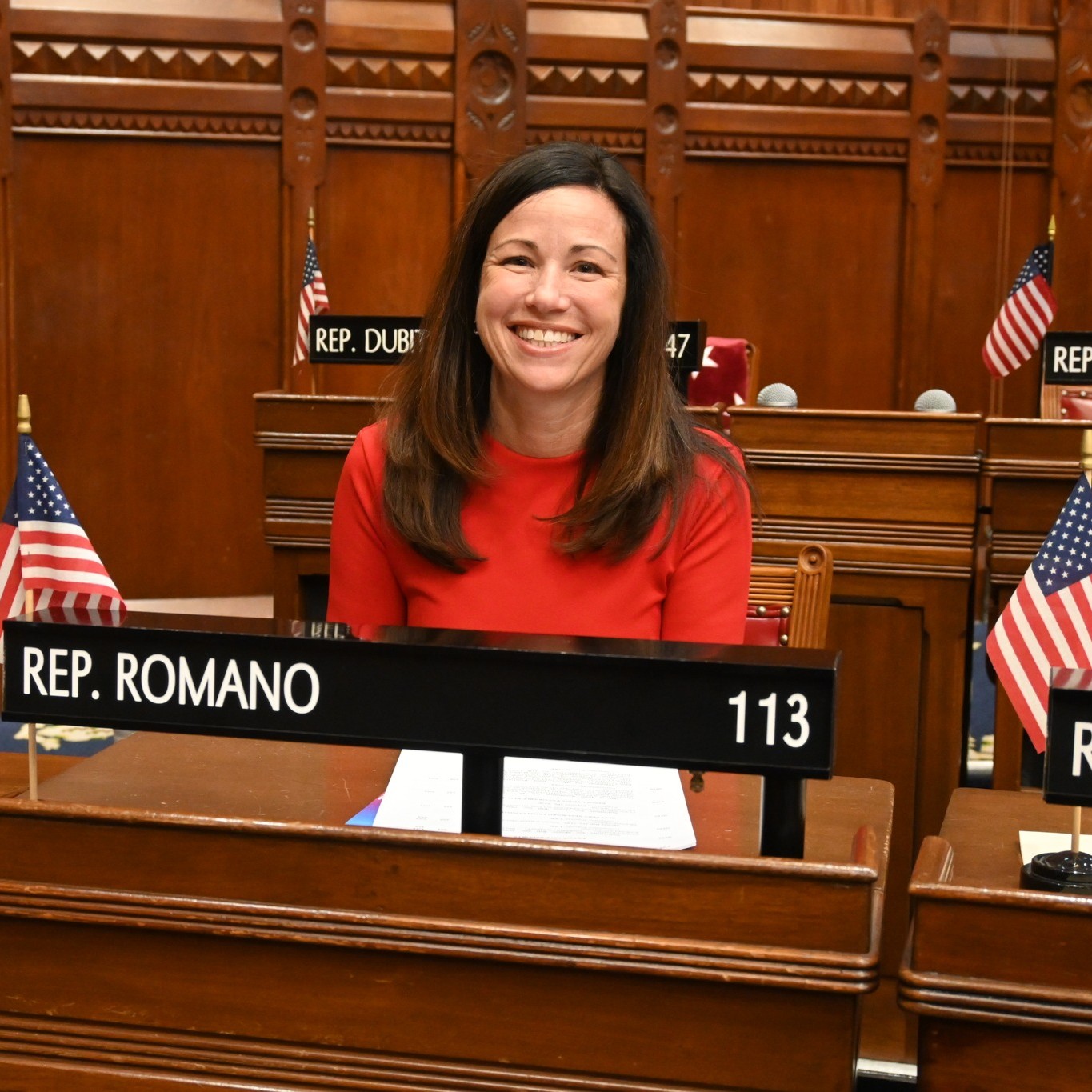
Key legislators
Who's moving environment in Connecticut
Showing 2 of 2
bills
All environment bills
This bill redefines how biomass facilities are classified under Connecticut's renewable energy laws by removing them from the list of Class I renewable energy sources. The change directly affects biomass power plants that currently qualify for renewable energy credits and incentives, as well as electric distribution companies and suppliers that purchase their energy. Key provisions include deleting biomass from the statutory definition of Class I renewable energy and establishing a new process for the state energy commissioner to solicit additional power purchase agreements from eligible biomass facilities that meet specific emission and capacity criteria. These eligible facilities must use sustainable biomass fuel, maintain low nitrogen oxide emissions, or have small capacity and pre-2003 construction dates. The bill also clarifies that biomass facilities with existing contracts before 2024 may continue under those agreements, while new contracts must follow state procurement rules and prioritize ratepayer interests.
HB 5013 establishes a registration fee for electric vehicles and plug-in hybrid electric vehicles, and imposes a per-kilowatt-hour tax on electricity purchased at public electric vehicle charging stations. This bill directly affects EV owners through the new registration fee and charging station operators through the electricity tax. Revenue from both the fee and tax must be deposited into the Special Transportation Fund. The legislation aims to generate dedicated funding for transportation infrastructure without specifying how the money will be spent beyond this allocation.