

Issue · Education
Education
Every education bill, vote, and legislator stance in Connecticut, automatically classified by Maddy, our AI policy reader.
Total bills
114
2026 Regular Session
Top supporter
Joe Hoxha
88% support rate
Top opponent
Paul Honig
19% support rate
Ranked legislators
10
5 support · 5 oppose
Key legislators
Who's moving education in Connecticut
| Legislator | Party | Stance | Support rate | Votes |
|---|---|---|---|---|
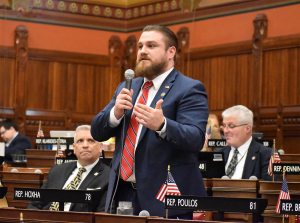
Joe Hoxha
House · District 78
|
R |
Strong +
|
88% | 12 |
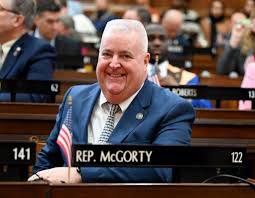
Ben McGorty
House · District 122
|
R |
Strong +
|
87% | 20 |

Tom Delnicki
House · District 14
|
R |
Strong +
|
87% | 20 |
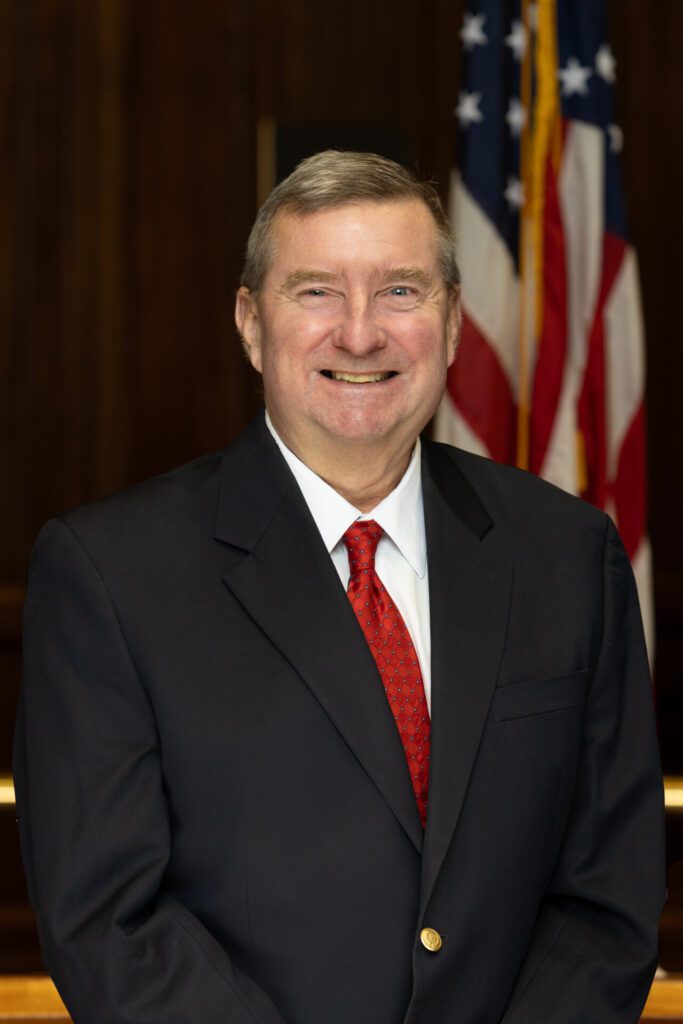
John Kissel
Senate · District 7
|
R |
Strong +
|
87% | 33 |

Tammy Nuccio
House · District 53
|
R |
Strong +
|
87% | 20 |

Paul Honig
Senate · District 8
|
D |
Strong −
|
19% | 34 |

Cathy Osten
Senate · District 19
|
D |
Strong −
|
20% | 33 |

Jan Hochadel
Senate · District 13
|
D |
Oppose
|
23% | 34 |

Derek Slap
Senate · District 5
|
D |
Oppose
|
23% | 34 |

John Fonfara
Senate · District 1
|
D |
Oppose
|
23% | 33 |
Showing 31–40 of 114
bills
All education bills
SB 221: AN ACT CONCERNING ASPIRING EDUCATORS.
HB 5003: AN ACT CONCERNING WORKFORCE DEVELOPMENT AND WORKING CONDITIONS IN THE STATE.
Topics
✓ EducationSupports EducationDirectly protects school staff with full salary and medical coverage for work-related assaults, strengthening educator welfare and retention in K-12 settings.
✓ HealthcareSupports HealthcareDirectly protects healthcare workers by mandating coverage of medical costs and full pay for assault injuries, strengthening workforce safety in healthcare settings.
✓ Labor & EmploymentSupports Labor & EmploymentRequires full salary/medical coverage for work assault injuries, protects paid leave, mandates violence reporting system - directly strengthens workplace safety for healthcare/education workers.
SB 40: AN ACT ESTABLISHING A TAX CREDIT FOR EDUCATIONAL ACCESS AND OPPORTUNITY SCHOLARSHIPS.
Topics
✓ Budget & TaxesSupports Budget & TaxesCreates tax credit providing tax relief to donors, incentivizing private funding for education scholarships, directly addressing tax policy and fiscal management.
✓ EducationSupports EducationBill creates tax incentives for donations to scholarship programs, directly expanding educational access and opportunity through private funding mechanisms.
HB 5270: AN ACT EXTENDING FINANCIAL ASSISTANCE FOR THE POSTSECONDARY EDUCATION EXPENSES OF FOSTER YOUTH.
SB 298: AN ACT CONCERNING THE REALLOCATION OF CERTAIN STATE FUNDS AND VARIOUS PROVISIONS RELATING TO EDUCATION, PUBLIC SAFETY, GENERAL GOVERNMENT, ELECTIONS, INTERMEDIATE CARE FACILITIES AND WAREHOUSE DISTRIBUTION CENTERS.
Topics
✗ Budget & TaxesOpposes Budget & TaxesDefunds TANF (essential social service) by $3.4M while reallocating funds away from low-income assistance programs.
✓ EducationSupports EducationAllocates $1.7M to Dept of Ed for Adult Education and $1.5M to 5 school districts for high-acuity schools, directly increasing education funding.
Sub-Topics
Teachers
SB 35: AN ACT CONCERNING FULL REIMBURSEMENT OF A SCHOOL DISTRICT'S EXCESS COST FOR SPECIAL EDUCATION.
Topics
✓ Budget & TaxesSupports Budget & TaxesMandates 100% state reimbursement for special education excess costs, increasing state education funding without tax changes.
✓ EducationSupports EducationMandates 100% state reimbursement for special education excess costs, directly increasing school district funding for K-12 special education services.
SB 223: AN ACT CONCERNING THE PARAEDUCATOR HEALTH CARE SUBSIDY PROGRAM.
Topics
✓ Budget & TaxesSupports Budget & TaxesBill creates state-funded healthcare subsidies for paraeducators, directly increasing government spending on employee benefits through new appropriations.
✓ EducationSupports EducationDirectly provides healthcare subsidies for paraeducators (school support staff), strengthening educator benefits and workforce stability in K-12 schools.
✓ HealthcareSupports HealthcareCreates healthcare subsidies for paraeducators, covering deductibles and reducing costs for health coverage access, directly expanding affordability.
✓ Labor & EmploymentSupports Labor & EmploymentProvides direct healthcare subsidies to paraeducators and school districts, expanding worker benefits and reducing healthcare cost burdens for employees.
Sub-Topics
Insurance
HB 5147: AN ACT IMPLEMENTING THE RECOMMENDATIONS OF THE DEPARTMENT OF ADMINISTRATIVE SERVICES REGARDING THE SCHOOL BUILDING PROJECTS STATUTES.
SB 265: AN ACT CONCERNING ADDITIONAL FUNDING FOR THE CARE 4 KIDS PROGRAM AND CERTAIN CHILD CARE PROVIDERS.
Topics
✓ Budget & TaxesSupports Budget & TaxesAllocates $70M new funding for child care subsidies and providers, increasing government spending on public services (direct budget appropriation).
✓ EducationSupports EducationAllocates $70M for child care subsidies and provider support, expanding access to early childhood education for low-income families and prioritizing special needs children.
Sub-Topics
Early Childhood