Issue · Criminal Justice

Criminal Justice

Every criminal justice bill, vote, and legislator stance in Connecticut, automatically classified by Maddy, our AI policy reader.

Total bills
7
119th Congress
Top supporter
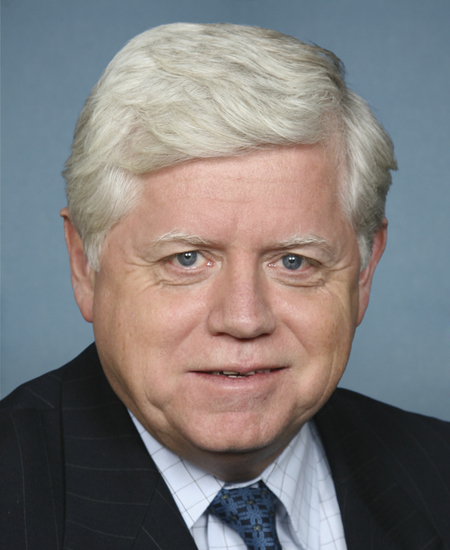
John B. Larson
57% support rate
Top opponent
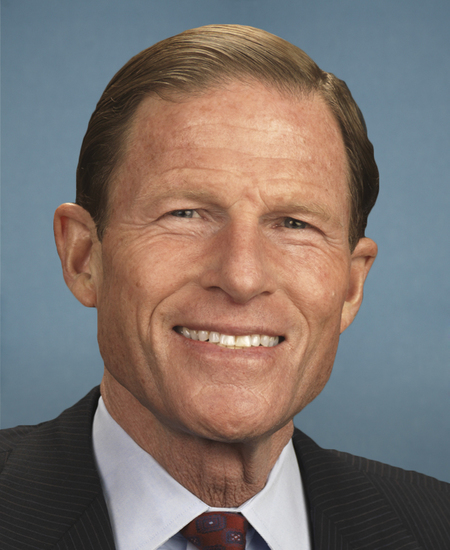
Richard Blumenthal
16% support rate
Ranked legislators
7
5 support · 2 oppose
Key legislators

Who's moving criminal justice in Connecticut

Legislators moving criminal justice in Connecticut
Legislator Party Stance Support rate Votes
John B. Larson
John B. Larson House · District 1
D
Mixed
57% 151
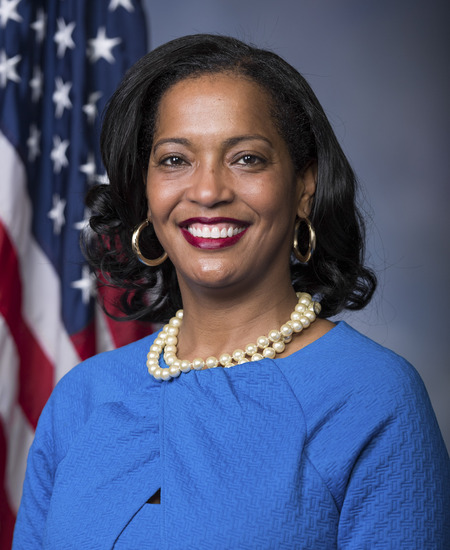
Jahana Hayes
Jahana Hayes House · District 5
D
Mixed
57% 154
Rosa L. DeLauro
Rosa L. DeLauro House · District 3
D
Mixed
53% 153
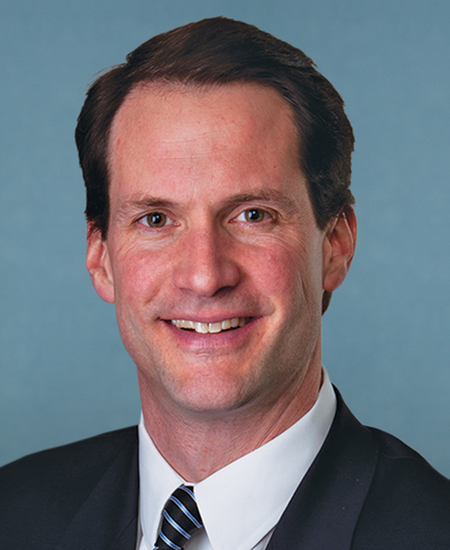
James A. Himes
James A. Himes House · District 4
D
Mixed
52% 152
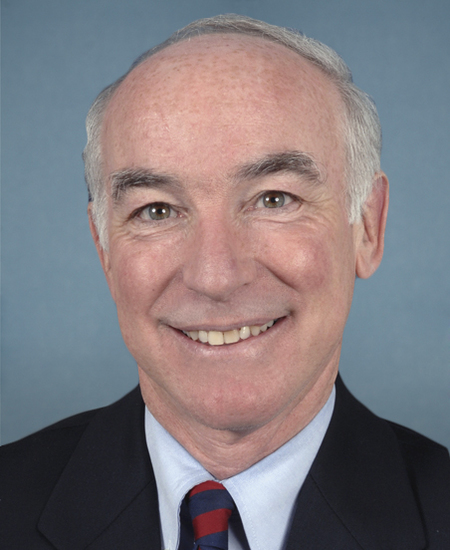
Joe Courtney
Joe Courtney House · District 2
D
Mixed
50% 140
Richard Blumenthal
Richard Blumenthal Senate
D
Strong −
16% 170
Christopher Murphy
Christopher Murphy Senate
D
Oppose
26% 169
Showing 7 of 7 bills

All criminal justice bills

in committee · United States · House Feb 4, 2025

HR 923: Stop Arming Cartels Act of 2025

The Stop Arming Cartels Act of 2025 prohibits civilian possession, sale, or transfer of rifles capable of firing .50 caliber ammunition, with exceptions for government use and rifles lawfully owned before the bill's enactment. It requires owners of such rifles to register them with the federal government within 12 months, without fees, and adds these rifles to the National Firearms Act registry. The bill also creates new federal firearm restrictions for significant foreign narcotics traffickers identified under the Foreign Narcotics Kingpin Designation Act and expands reporting requirements for rifle sales to include all rifles. This directly affects civilian rifle owners, sellers, and individuals designated as foreign narcotics traffickers.
in committee · United States · House Jun 8, 2026

HR 9208: HEAR Act of 2026

The HEAR Act of 2026 makes it illegal for most people to import, sell, manufacture, transfer, or possess firearm silencers and mufflers. The law allows exceptions for law enforcement officers, campus security personnel, nuclear facility employees, and licensed manufacturers conducting authorized testing. To help individuals comply with the new restrictions, the bill requires the Attorney General to create a nationwide buy-back program that pays people who surrender their silencers. These changes would take effect 90 days after the bill is signed into law.
in committee · United States · House Feb 4, 2026

HR 7346: Drain ICE Act of 2026

HR 7346, the Drain ICE Act of 2026, repeals specific funding provisions (sections 90003 and 100052) from the "One Big Beautiful Bill Act" and cancels all unspent funds allocated under those sections. This bill directly affects ICE’s detention budget by removing existing financial authority for detention operations. It does not change immigration enforcement practices or directly impact individuals; it solely modifies budgetary allocations. The bill focuses on eliminating funding mechanisms, not on policy changes for migrants or enforcement. (Procedural bill; summary limited to 2 sentences as specified.)
in committee · United States · Senate Dec 11, 2025

S 3458: Background Check Completion Act of 2025

This bill amends federal law to remove a specific deadline for completing background checks on firearm purchases. It deletes the requirement that background checks must be completed within 10 business days, as previously established under the Brady Handgun Violence Prevention Act. The change directly affects firearm sellers (such as licensed dealers) who conduct these checks, removing a strict timeline for completing the process. The bill focuses on technical adjustments to existing background check procedures without altering the underlying requirements for the checks themselves.
Sub-Topics Firearms
passed · United States · House Feb 24, 2026

HR 2189: To modernize Federal firearms laws to account for advancements in technology and less-than-lethal weapons, and for other purposes.

Law-Enforcement Innovate to De-Escalate Act This bill removes less-than-lethal projectile devices (e.g., certain TASERs) from regulation under the Gun Control Act. The term less-than-lethal projectile device means a device that (1) is not designed or intended to expel (and may not be readily converted to discharge) commonly used ammunition or projectiles exceeding a velocity of 500 feet per second; (2) is designed and intended to be used in a manner not likely to cause death or serious bodily injury; and (3) does not accept (and cannot be readily modified to accept) an ammunition feeding device. The bill also requires the Bureau of Alcohol, Tobacco, Firearms and Explosives to determine whether a device satisfies the definition of a less-than-lethal projectile device within 90 days of a request.
Sub-Topics Firearms
passed · United States · House Jan 13, 2026

HR 909: Crime Victims Fund Stabilization Act of 2025

HR 909, the Crime Victims Fund Stabilization Act of 2025, modifies how funds from the False Claims Act are deposited into the Crime Victims Fund. It specifies that from 2025 through 2029, certain False Claims Act proceeds (specifically those for qui tam plaintiff payments and government damage reimbursements) cannot be deposited into the fund. This change directly affects the composition of the Crime Victims Fund by excluding these specific revenue streams during the specified period. The bill does not create new benefits or alter victim services; it only adjusts fund allocation rules for existing False Claims Act revenues.
Sub-Topics Victims' Rights
passed · United States · Senate Jun 15, 2026

S 736: Lieutenant Osvaldo Albarati Stopping Prison Contraband Act

S 736, the Lieutenant Osvaldo Albarati Stopping Prison Contraband Act, amends federal law to increase penalties for providing prohibited items (like phones) to prison inmates. It adds a maximum 2-year prison term for knowingly supplying phones to inmates, specifically targeting violations related to phone trafficking. The bill also requires the Bureau of Prisons to review and update its policies within one year of enactment to better prevent inmate access to prohibited objects and enhance safety for both incarcerated individuals and staff. These changes directly affect prison staff, correctional facilities, and individuals involved in supplying contraband to inmates.
Sub-Topics Corrections