

Maddy summaryHJR 25-1005 is a ceremonial resolution encouraging Colorado communities to observe Martin Luther King Jr. Day on January 20, 2025 - the 41st anniversary of the state holiday. It does not create new laws or alter existing policies but urges cities, schools, counties, and local governments to hold commemorative events. The resolution honors Dr. King’s legacy, noting Colorado’s early adoption of the holiday in 1985 and its ongoing observance through events like the annual Marade. This is a non-binding call for community engagement, not a substantive legislative change.
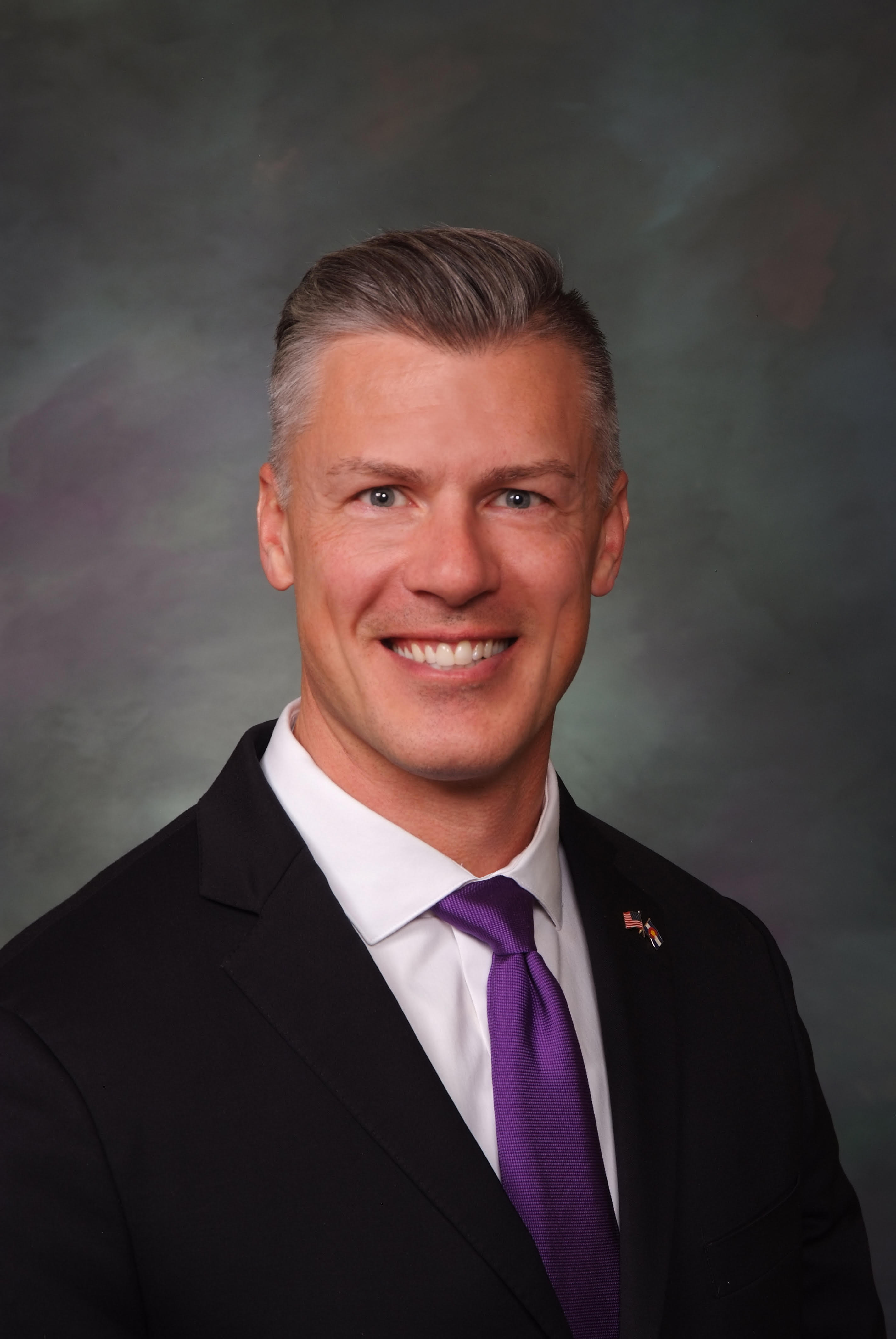
Rep. Dan Woog
Sponsored bills
Maddy summaryThis bill (HR 25-1002) is a procedural measure concerning House officers and employees. The provided context includes no bill text, summary, or specific provisions describing its content or effects. Without the actual text or a substantive description of the bill's requirements, mechanisms, or who it directly affects, a factual summary cannot be generated. The recent actions (introduced, passed, signed) only confirm procedural steps, not the bill's policy content.
The act replaces an existing income tax deduction for expenses incurred by employers when providing alternative transportation options to employees with a refundable income tax credit of 50% of such expenses for such employers, including local government employers, subject to the limitations that the maximum amount spent in any income tax year for which an employer may claim a credit is $250,000 and that the maximum amount spent in any income tax year for any one employee for which an employer may claim a credit is $2,000 dollars. For purposes of the act, alternative transportation options means free or partially subsidized, generally accepted transportation demand management strategies, including but not limited to ridesharing arrangements, provision of ridesharing vans or low-speed conveyances such as human-powered or electric bicycles, shared micromobility options such as bikesharing and electric scooter sharing programs, carsharing programs, and guaranteed ride home programs. The credit is allowed for income tax years beginning on or after January 1, 2023, but before January 1, 2025. $93,758 is appropriated from the general fund to the department of revenue for implementation of the act. (Note: This summary applies to this bill as enacted.)
The act expands the purposes of the peace officers behavioral health support and community partnerships grant program to include hiring, contracting, or developing a remote network to provide behavioral health counseling, therapy, or other related support services to peace officers involved in job-related traumatic situations. The act appropriates $3 million from the general fund to the peace officers behavioral health support and community partnership fund. (Note: This summary applies to this bill as enacted.)
The act requires the administrator (administrator) of the all-payer health claims database (database) to create a tool to facilitate the review of certain health claims reimbursement data that are included in the database. The tool must include 2018 health claims reimbursement data as the first year of available data. The act includes minimum requirements for the design of the tool, including how the information will be displayed and searchable by users of the tool. The act requires the administrator, subject to available appropriations, to update the tool at least annually. For the 2022-23 state fiscal year, to implement the act, the act appropriates $155,250 from the general fund to the department of health care policy and financing for use by the executive director's office for the database. (Note: This summary applies to this bill as enacted.)
For 7 years beginning on January 1, 2023, the bill creates a sales and use tax exemption for the sale, storage, use, or consumption of an aircraft used or purchased for use in interstate or intrastate commerce by an on-demand air carrier. An on-demand air carrier is an entity authorized by the federal aviation administration to operate an aircraft to transport people or property in compliance with the administration's certification and operations requirements. The aeronautics division in the department of transportation is required to provide the state auditor with any available information that would assist the state auditor's measurement of the effectiveness of the exemption. The bill specifies that a statutory town, city, or county may exempt the same items only by express inclusion of the exemption in its initial sales tax ordinance or resolution or by amendment thereto and also that the exemptions do not apply to the tax imposed by a special district or other limited purpose governmental entity. (Note: This summary applies to this bill as introduced.)
Under current law, all sales of construction and building materials to contractors and subcontractors for use in the building, erection, alteration, or repair of structures, highways, roads, streets, and other public works are exempt from the sales and use tax levied by the state and certain local governments. Home rule cities continue to levy the tax on sales of construction and building materials within their jurisdiction. The act extends the exemption to the sales and use tax levied by home rule cities on such materials for use in connection with the building, erection, alteration, or repair of a public school. For the 2022-23 state fiscal year, the act appropriates $3,375 from the general fund to the department of revenue for use by the taxation business group. The department may use this appropriation for operating expenses related to taxation services. (Note: This summary applies to this bill as enacted.)
The bill includes green hydrogen as a renewable energy resource that certain retail electric service providers (providers) may use to meet standards requiring that a certain percentage of the provider's electricity sales be from an eligible energy resource. The bill also requires the governor to update the Colorado greenhouse gas pollution reduction roadmap to expressly include green hydrogen as a renewable energy resource that providers may use to meet statewide greenhouse gas pollution reduction goals for the electric utility sector.(Note: This summary applies to this bill as introduced.)
The bill creates an income tax deduction of up to $17,500 for tenants with taxable income under $40,000 for an individual or under $80,000 for a head-of-household or a married couple for rent paid on a rental residence in Colorado. (Note: This summary applies to this bill as introduced.)
Current law provides an excise tax exemption for up to one gallon, or 4 liters, of alcohol beverages brought by air passengers into the state from a foreign country. The act expands the exemption to all individuals entering the state from another state or a foreign country and allows alcohol beverages to be brought into the state, for personal use and not for sale, up to the following amounts: 2.25 gallons of malt liquor and hard cider; 9 liters of vinous liquor; and 6 liters of spirituous liquor.(Note: This summary applies to this bill as enacted.)