Issue · Transportation

Transportation (Transportation Funding)

Every transportation bill, vote, and legislator stance in Colorado, automatically classified by Maddy, our AI policy reader.

Total bills
3
2026 Regular Session
Top supporter
Ava Flanell
100% support rate
Top opponent
Elizabeth Velasco
0% support rate
Ranked legislators
10
5 support · 5 oppose
Key legislators

Who's moving transportation funding in Colorado

Legislators moving transportation funding in Colorado
Legislator Party Stance Support rate Votes
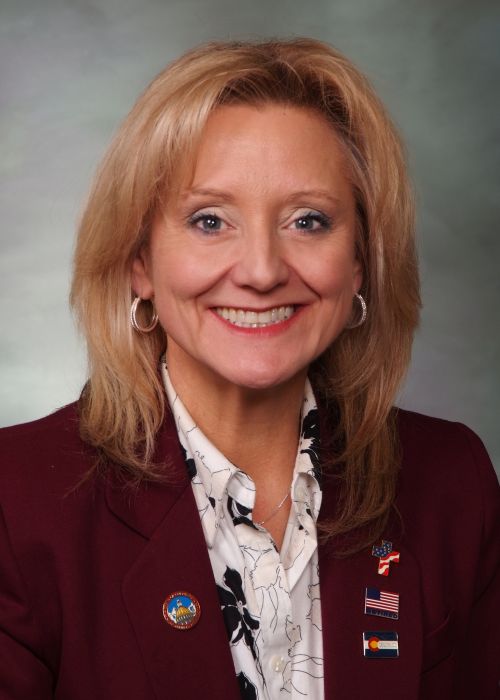
Ava Flanell
Ava Flanell House · District 14
R
Strong +
100% 3
Dusty Johnson
Dusty Johnson House · District 63
R
Strong +
100% 3
Rebecca Keltie
Rebecca Keltie House · District 16
R
Strong +
100% 3
Scott Bottoms
Scott Bottoms House · District 15
R
Strong +
100% 3
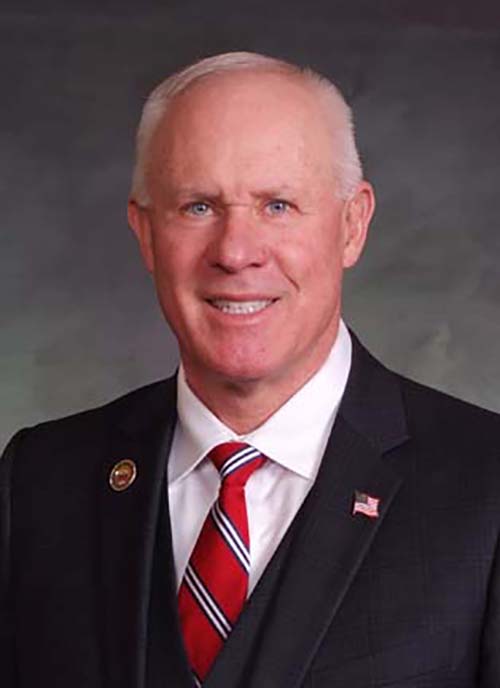
Tony Hartsook
Tony Hartsook House · District 44
R
Strong +
100% 3
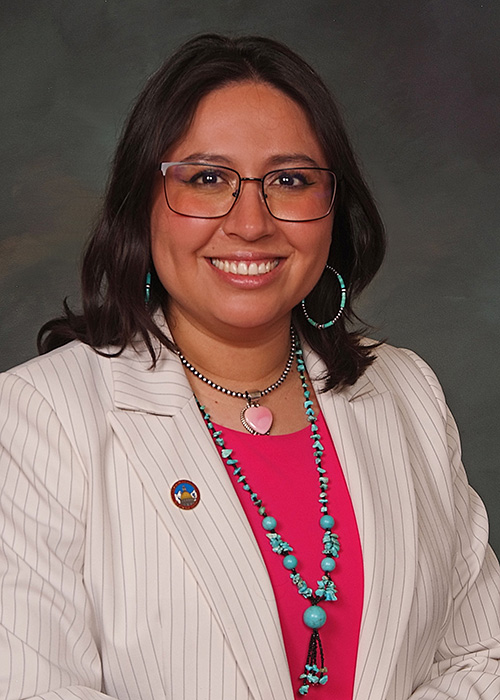
Elizabeth Velasco
Elizabeth Velasco House · District 57
D
Strong −
0% 5
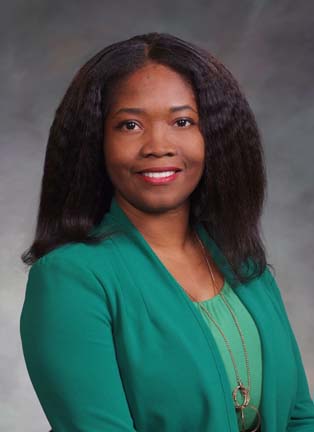
Brianna Titone
Brianna Titone House · District 27
D
Strong −
0% 4
Emily Sirota
Emily Sirota House · District 9
D
Strong −
0% 4
Junie Joseph
Junie Joseph House · District 10
D
Strong −
0% 4
Karen McCormick
Karen McCormick House · District 11
D
Strong −
0% 4
Showing 3 of 3 bills

All transportation bills

signed · Colorado · House May 28, 2026

HB 1398: Retail Delivery Fee Revenue Allocation

Under current law, 28.9% of the revenue the state collects from the retail delivery fee is credited to the multimodal transportation and mitigation options fund (fund). Of the money from the retail delivery fee that is credited to the fund, currently 85% is allocated to the commission for local multimodal projects and 15% is allocated to the commission for state multimodal projects. Beginning on July 1, 2026, the act changes how the fund allocates and expends retail delivery fee revenue between state and local multimodal projects so that 70% of the fund is allocated to the commission for local multimodal projects and 30% of the fund is allocated to the commission for state multimodal projects.(Note: This summary applies to this bill as enacted.)
signed · Colorado · House Mar 26, 2026

HB 1170: Department of Transportation Supplemental

The 2025 general appropriations act is amended to balance and make adjustments to the total amount appropriated to the department of transportation.(Note: This summary applies to this bill as enacted.)
in committee · Colorado · House Mar 17, 2026

HB 1248: Oversize Overweight Permitting

Beginning on July 1, 2026, the bill directs state-level permit fees and supplemental surcharges for oversize and overweight vehicles and longer vehicle combinations to the freight cash fund (fund), which is newly created in the office of freight mobility and safety (office) in the transportation development division of the department of transportation (department). The fund is appropriated for use by the office for the following main purposes:For funding freight-related projects; andTo support the office in functions related to freight projects, movement, and infrastructure, including the administrative costs of the office.In funding freight-related projects from the fund, the office is required to attempt to direct money in a manner that is proportional to the amount of freight routes and the impact of freight traffic in the affected community or region of the state.The office may also use money in the fund to create and maintain a centralized online permitting system for oversize permits, overweight permits, and other types of freight or transport permits issued by the department, the Colorado state patrol, or any local government. The centralized permitting system must allow a person to apply for and be issued all necessary state and local permits for a route in a single transaction and pay for all associated permit fees and surcharges for that route in a single transaction. By September 1, 2027, the office is required to conduct a feasibility study relating to the centralized permitting system and must report to the transportation legislation review committee during the 2027 legislative interim on the completed feasibility study and any progress toward implementing the centralized permitting system. The office is required to implement the centralized permitting system by July 1, 2029, either by creating a new online permitting system or by modifying an existing online permitting system.(Note: This summary applies to this bill as introduced.)