Issue · Healthcare

Healthcare (Medicaid)

Every healthcare bill, vote, and legislator stance in Colorado, automatically classified by Maddy, our AI policy reader.

Total bills
18
2026 Regular Session
Top supporter
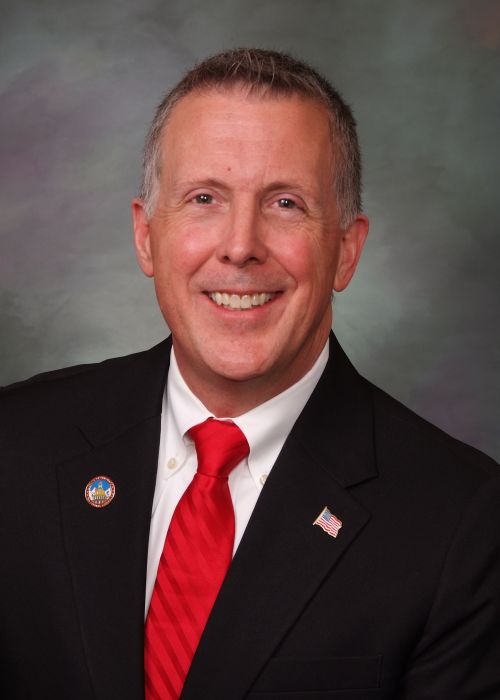
Andy Boesenecker
100% support rate
Top opponent
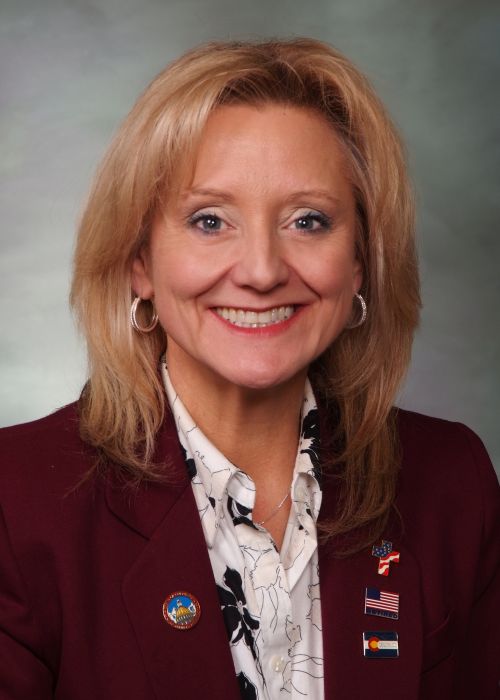
Stephanie Luck
17% support rate
Ranked legislators
10
5 support · 5 oppose
Key legislators

Who's moving medicaid in Colorado

Legislators moving medicaid in Colorado
Legislator Party Stance Support rate Votes
Andy Boesenecker
Andy Boesenecker House · District 53
D
Strong +
100% 5
Junie Joseph
Junie Joseph House · District 10
D
Strong +
100% 5
Rebekah Stewart
Rebekah Stewart House · District 30
D
Strong +
100% 5
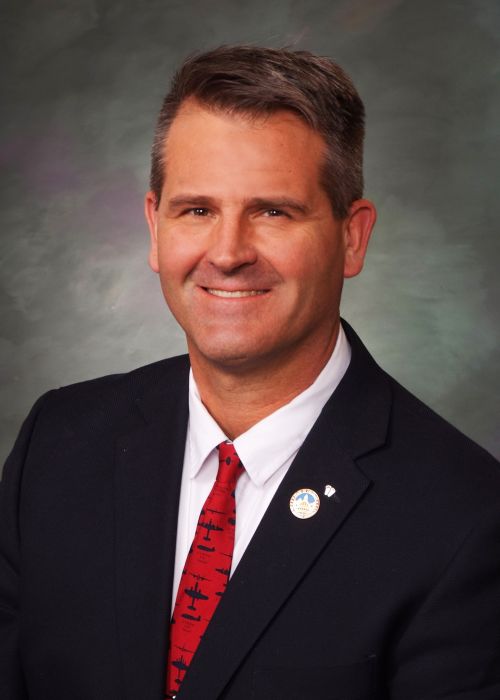
Rick Taggart
Rick Taggart House · District 55
R
Strong +
100% 5
Steven Woodrow
Steven Woodrow House · District 2
D
Strong +
100% 5
Stephanie Luck
Stephanie Luck House · District 60
R
Strong −
17% 6
Max Brooks
Max Brooks House · District 45
R
Strong −
20% 5
Rebecca Keltie
Rebecca Keltie House · District 16
R
Oppose
25% 4
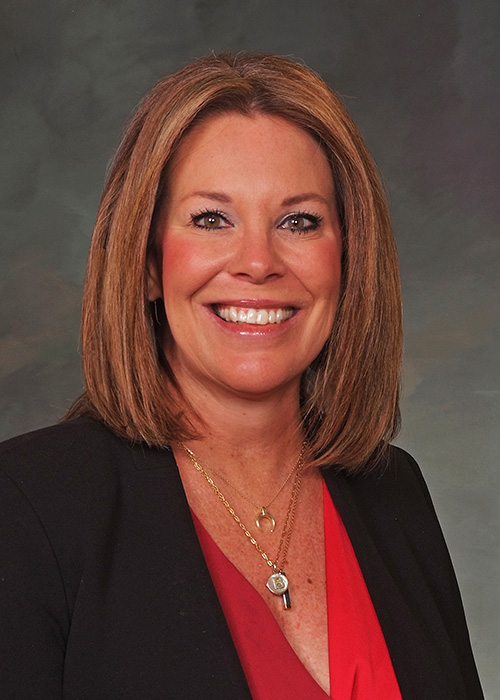
Brandi Bradley
Brandi Bradley House · District 39
R
Oppose
31% 13
Ken DeGraaf
Ken DeGraaf House · District 22
R
Oppose
33% 6
Showing 11–18 of 18 bills

All healthcare bills

in committee · Colorado · House Feb 24, 2026

HB 1122: Mandatory Coverage Hormone Replacement Therapy

The bill requires all health benefit plans in the state and the medicaid program to provide coverage for hormone replacement therapy, as prescribed by licensed physicians, for women who are experiencing menopause or perimenopause.     Coverage for hormone replacement therapy will be implemented for all large employer health benefit plans issued or renewed in this state on or after January 1, 2027. Coverage for hormone replacement therapy will be implemented for all individual and small group health benefit plans issued or renewed in this state on or after January 1, 2028, as long as the state is not required to defray the cost of the coverage of the hormone replacement therapy.     The state medicaid program is required to provide hormone replacement therapy beginning on July 1, 2027.(Note: This summary applies to this bill as introduced.)
signed · Colorado · House Feb 27, 2026

HB 1177: End Nursing Provider Wage Enhancement Payments

The act prohibits the department of health care policy and financing (department) from making a wage enhancement supplemental payment to an eligible nursing home provider regardless of when the services were provided. The act reduces the 2025-26 state fiscal year appropriation to the department for medical and long-term care services for medicaid eligible individuals by $4,359,961.(Note: This summary applies to this bill as enacted.)
signed · Colorado · House Jun 3, 2026

HB 1235: Updates to Medicaid

On or before December 1, 2026, and annually thereafter, the act requires each transportation broker that administers nonemergency medical transportation to medicaid members to submit certain information to the department of health care policy and financing (state department) regarding transportation providers that the transportation broker contracts with. Beginning January 1, 2027, the state department is required to include this information in its annual 'SMART Act' presentation.     The act changes the term 'qualified alien' to 'qualified noncitizen' to align with federal requirements.     If the state department plans to implement, apply, or enforce new multiple procedure payment reductions for outpatient therapy services, the act requires the state department to provide notice to the impacted providers of the changes at least 6 months prior to implementing the changes and to hold at least one stakeholder meeting to discuss the payment reductions.     The act requires the state department to reimburse a provider who is licensed and authorized to prescribe, dispense, compound, or administer medication-assisted treatment in a jail setting.     The act requires the medical services board to adopt rules before January 1, 2027, to comply with federal community engagement requirements and requires the state department make available on its website data on the community engagement requirements and their impact on medical assistance enrollment.     The act requires the state department to collect direct care service cost to administrative cost ratio information from home- and community-based service provider agencies and submit a report to the general assembly detailing the information collected.     The act repeals the state medical assistance and services advisory council.(Note: This summary applies to this bill as enacted.)
signed · Colorado · House May 6, 2026

HB 1244: Department of Public Health and Environment Nursing Home Penalty Fund

Current law requires the department of public health and environment (CDPHE) to consider certain criteria as a basis for distributing grants from the nursing home penalty cash fund (fund). The act strikes these criteria and instead requires CDPHE to distribute such grants in accordance with priorities and allowable uses identified by the centers for medicare and medicaid services within the federal department of health and human services (centers).     Current law requires the nursing home innovations grant board (board) to make recommendations for the approval of grants from the fund. The act requires such recommendations to be consistent with the processes for grant cycles of, and priorities and allowable uses identified by, the centers.     Current law requires CDPHE and the department of health care policy and financing, with the board's assistance, to jointly submit an annual report to the governor and certain legislative committees of reference regarding the expenditure of money in the fund. The act changes the due date of the report from October 1 to January 1.     In current law, the term 'benefit residents of nursing facilities' is defined to mean that a grant has a direct impact on the residents of nursing facilities or has an indirect impact on the residents through education of nursing facility staff. The act amends this definition to include training, as well as education, of nursing facility staff.     Current law states that a governmental entity may not apply for or receive a grant from the fund unless the entity is a facility that is owned or operated by a governmental agency and licensed as a nursing care facility. The act removes this restriction.(Note: This summary applies to this bill as enacted.)
in committee · Colorado · Senate Apr 7, 2026

SB 63: Nonemergency Medical Transportation Services

The bill requires a transportation broker to contract with at least 5 transportation providers to provide nonemergency transportation services to medicaid members.A transportation provider must meet certain requirements before providing transportation services.The bill requires that medicaid members be able to preapprove nonemergency medical transportation services and choose a preferred transportation provider to receive nonemergency transportation services through.(Note: This summary applies to this bill as introduced.)
signed · Colorado · House Jun 2, 2026

HB 1063: Treating People with Behavioral Health Disorder

The act requires the department of health care policy and financing and the behavioral health administration to publish on each department's website an easily accessible list of secure transportation providers that have contracts with managed care entities and behavioral health administrative services organizations, as applicable.(Note: This summary applies to this bill as enacted.)
signed · Colorado · Senate Mar 30, 2026

SB 7: Medical Marijuana Use in Health Facilities

The act permits a health facility to allow patients who are terminally ill and who are registered in the state's medical marijuana program to use medical marijuana within the health facility, subject to certain parameters. The act requires a health facility that allows such use to document the patient's medical marijuana program registration and medical marijuana usage in the patient's medical records and develop guidelines for and impose restrictions on the possession, usage, storage, and administration of medical marijuana to ensure the safety of others, safe facility operations, and compliance with other laws. A health facility is not required to handle medical marijuana for a patient.     The act prohibits the department of public health and environment (department) from requiring compliance with the act as a condition for a health facility to obtain or renew a license or certification that it is required to carry to operate as a health facility. Additionally, the act prohibits the department from requiring compliance if compliance would result in a violation of state law, a loss of federal funding, noncompliance with the federal medicare or medicaid programs, or noncompliance with accreditation or licensing requirements. Lastly, the act allows a health facility to suspend compliance with the act's provisions in the event that, and only as long as, a listed federal entity takes an action that requires the health facility to suspend its compliance with the act.(Note: This summary applies to this bill as enacted.)
failed · Colorado · House May 14, 2026

HB 1018: Long-term Care Services for Nursing Home Residents

The bill requires an individual being discharged from a nursing facility to be presumptively eligible for long-term services and supports under medicaid.The bill requires the department of health care policy and financing (state department) to determine presumptive eligibility and requires county departments of human or social services (county departments) to set up the long-term services and supports for an individual being discharged from a nursing facility prior to the individual's discharge date.The state department is required to submit an annual report to the state auditor and post the report on the state department's website detailing information about the individuals discharged from a nursing facility and the associated presumptive eligibility determinations.The bill establishes remedial measures against a county department if the county department fails to set up long-term services and supports for the individual. The bill establishes remedial measures against a nursing facility that fails to discharge an individual on the discharge date due to a failure within the nursing facility's control or fails to cooperate in good faith with the state department to ensure long-term care services and supports are in place for the individual.(Note: This summary applies to this bill as introduced.)
Showing 11 to 18 of 18 bills